Video games news, releases, esports and culture — all the biggest gaming stories in one place.
63 Years Later, the Best ‘Peanuts’ Sally Quote Is Still an Iconic Comic Strip Line
Developed over time first seen 2 months ago
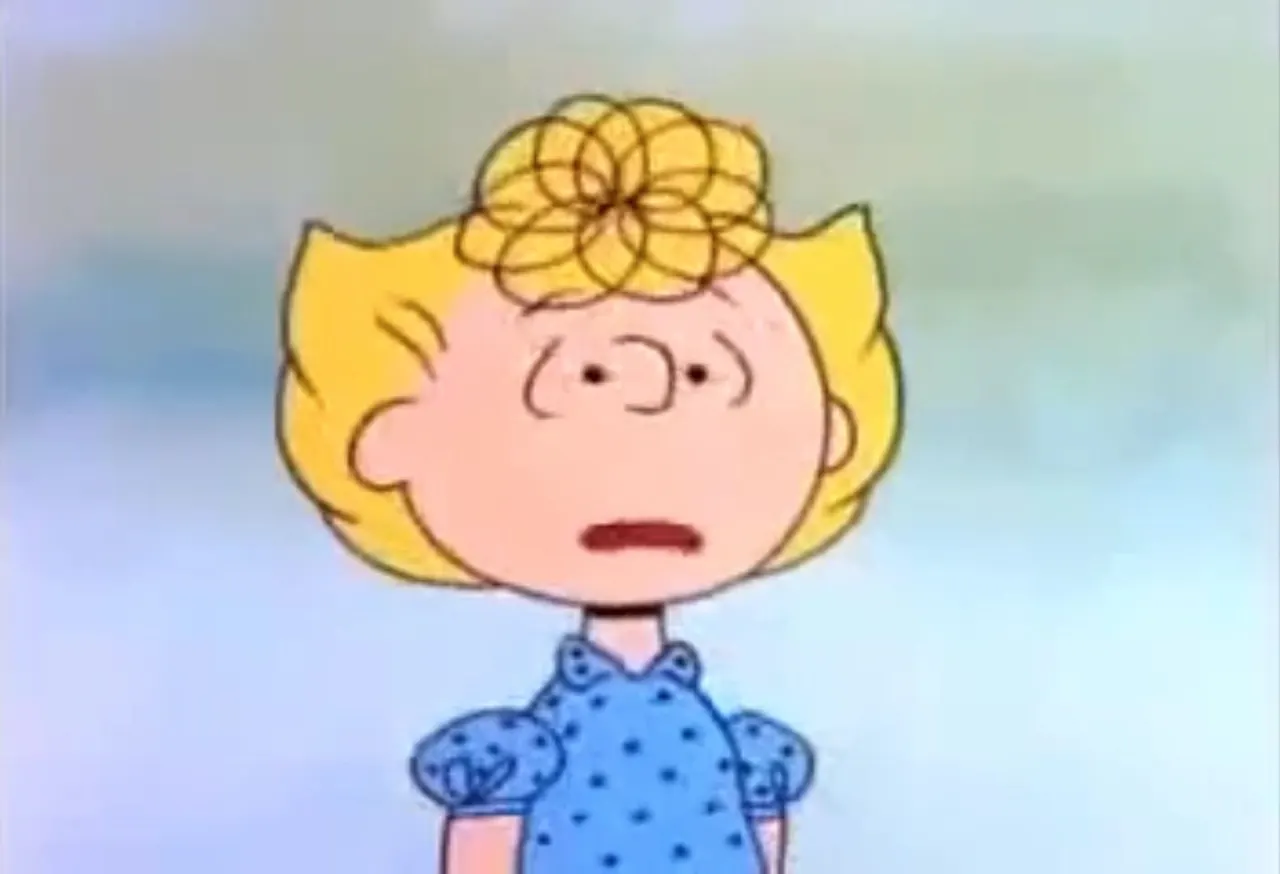
A Polygon retrospective on "Peanuts" argues that Sally Brown's long-running battle with schoolwork, rather than her crush on Linus or her teasing of brother Charlie Brown, is her most enduring and relatable trait. The piece revisits Charles Schulz's classic strip to position Sally as the character who best represents reluctant students everywhere, contrasting her frustration with academia against Charlie Brown's famously stoic acceptance of misfortune.
Two strips anchor the argument: one from 26 April 1963 gave Peanuts its most quoted line, "Happiness is your own library card," while another from 11 June 1987 shows Sally scolding a fleeing Charlie Brown for criticising things before understanding them, only for the joke to reveal she was wrong all along, since she had misheard his correction. The writer suggests this decades-old gag still carries a timely lesson for social media users: lurk and understand a conversation fully before jumping in to criticise.
- Sources
- 2
- Outlets
- 2
- Left · Centre · Right
- 0 · 0 · 0
In short
- Polygon revisits Sally Brown as Peanuts' ultimate reluctant-student character.
- Her 1963 "library card" line remains the strip's most quoted.
- A 1987 strip about criticising before understanding still resonates for social media.
How this story developed
- 2 months ago A Polygon retrospective on "Peanuts" argues that Sally Brown's long-running battle with schoolwork, rather than her crush on Linus or her teasing of brother Charlie Brown, is her most enduring and relatable trait.
- 2 months ago An article published on Polygon revisits the "Peanuts" comic strip, arguing that Sally Brown's antagonistic relationship with schoolwork made her one of the most relatable characters in Charles Schulz's classic, even as her brother Charlie Brown became famous for his stoic acceptance of misfortune.
- 2 months ago A Polygon retrospective on "Peanuts" argues that Sally Brown's long-running battle with schoolwork, rather than her crush on Linus or her teasing of brother Charlie Brown, is her most enduring and relatable trait.
Full account
Charles Schulz's Peanuts built much of its charm on the misfortunes heaped upon Charlie Brown, who absorbed decades of setbacks with little more than weary resignation. Where Charlie Brown rarely lashed out, it was often left to the wider cast, Lucy's tirades, Linus's anxieties, and not least his own younger sister, Sally Brown, to voice the frustrations of childhood. Among Sally's many memorable moments, one line in particular has endured well beyond its original publication: her declaration that "Happiness is your own library card", first printed on 26 April 1963.
Sally is often remembered for her running exasperation with brother Charlie Brown and her unrequited devotion to Linus, but a closer look at the strip's history shows her defined just as much by her resistance to schoolwork. Unlike most of the Peanuts gang, who rarely complained about lessons, Sally is depicted as the strip's great reluctant pupil, forever seeking a way out of homework through bluffs, excuses and wordplay, even if her schemes were never quite as cunning as those of comic-strip peers such as Calvin. That contradiction, a character both wary of formal schooling and yet capable of surprisingly erudite tangents, is part of what makes her enduring, quotable presence in the strip.
It is against that backdrop that the library-card line has proved so durable, frequently cited on posters and in literacy campaigns as a simple, upbeat statement about the value of reading, distinct from her more familiar comic complaints. Commentators revisiting the strip also point to other Sally moments that have aged well, including a 1987 exchange in which she turns a misspelled homework assignment about "deer" into a lecture aimed at Charlie Brown, insisting that many of the world's problems stem from people criticising others before they understand the full picture, a sentiment often read today as unexpectedly relevant to online debate.
Coverage of Peanuts' legacy this week has not been confined to Sally, however. A separate strand of reporting has focused on a different milestone: the 1968 introduction of Franklin, the strip's first Black character, prompted by a letter from schoolteacher Harriet Glickman sent in the wake of Martin Luther King Jr.'s assassination. Where the retrospective on Sally centres on her sharp tongue and one-liners as a highlight of the strip's humour, the account of Franklin's debut emphasises Schulz's caution and the deliberate ordinariness of the character's introduction, illustrating that recent looks back at Peanuts have highlighted quite different aspects of the strip's 70-year run, one celebrating its wit, the other its quiet social significance.
Where outlets differ
From the full account, which is AI-written from the sources:
One source is a retrospective focused specifically on Sally Brown's best lines, particularly the 1963 'library card' quote and a 1987 strip about criticising without understanding; the other source, despite being grouped with this story, actually discusses an unrelated Peanuts milestone, the 1968 debut of Franklin, and Harriet Glickman's letter urging Schulz to add a Black character.
The Sally-focused account emphasises humour, character quirks and quotability, framing her as the strip's representative of reluctant students, while the Franklin-focused account emphasises historical and social context, including the Vietnam War reference and Schulz's initial hesitancy about stereotyping.
Only the second source provides authorship/outlet detail (Collider, via journalist Amanda M. Castro); the first source's outlet is not specified in the excerpt provided.
Explained simply
Sally Brown is one of the core characters in "Peanuts", the long-running comic strip created by Charles Schulz. She is the younger sister of Charlie Brown, the strip's famously unlucky main character, and much of her personality is built around her reluctant, often comic battle with school and homework, which she tries to avoid through clever excuses and wordplay.
Schulz drew "Peanuts" for decades, and the strip has left behind a huge archive of individual daily comics, some of which have become widely quoted or referenced long after their original publication. Lines and moments from these old strips are still shared and discussed today, often being reassessed for how well they hold up or what they say about modern life.
This piece is part of that ongoing tradition of revisiting classic "Peanuts" strips, focusing specifically on Sally's relationship with schoolwork as an underappreciated part of her character, distinct from her better-known traits like teasing Charlie Brown or her crush on his friend Linus.