65 Years Later, the Best “Peanuts’ Linus Quote Is Still an All-Time Great Comic Strip Moment
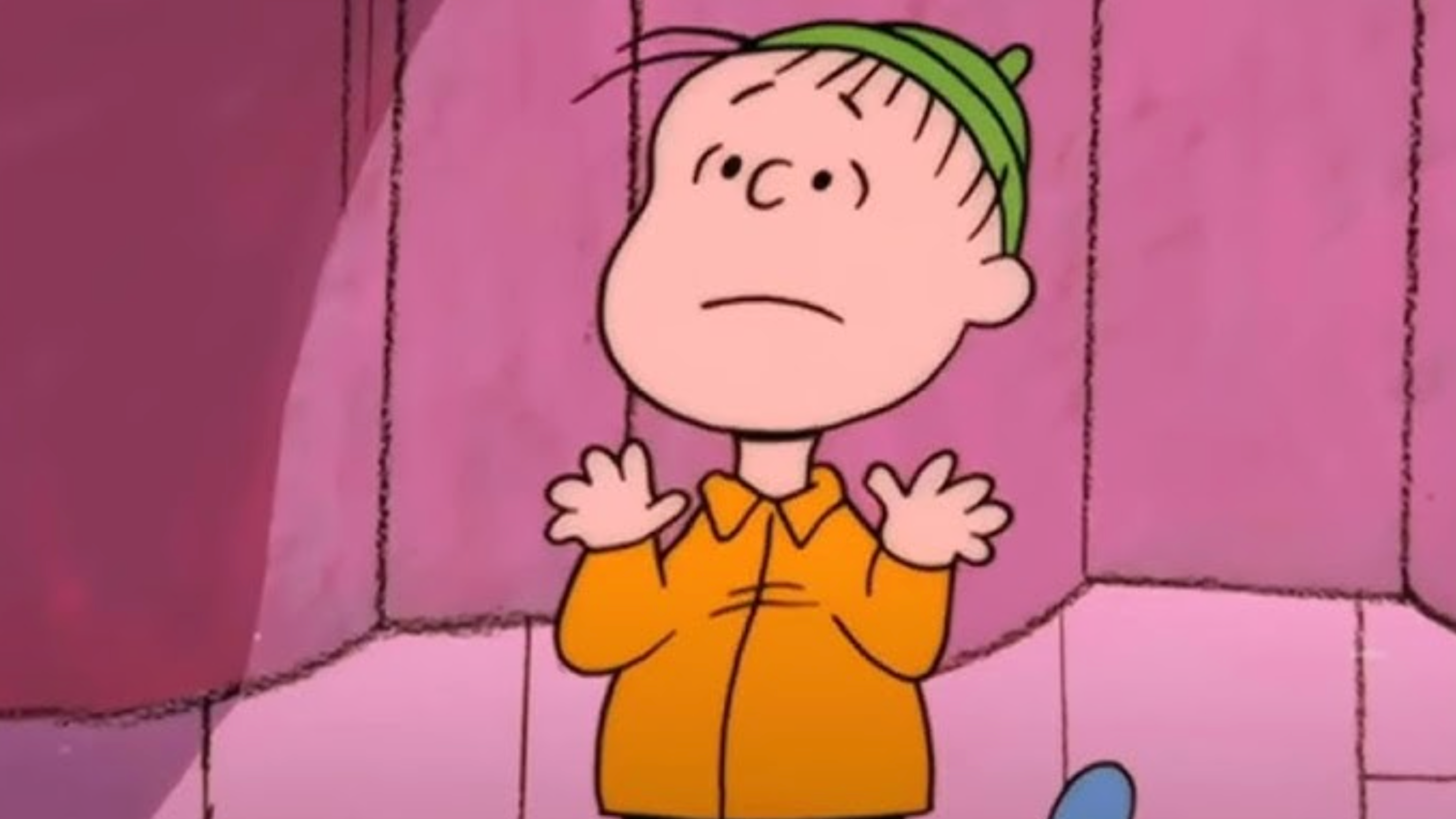
A Polygon feature highlights a Peanuts strip from April 26, 1961, examining Linus Van Pelt's role as the strip's intellectual anchor and his function as a foil to his sister Lucy's domineering personality. Linus, who joined the comic in 1952 but remained largely silent until 1954, evolved into a precociously philosophical character who could challenge Lucy's assertions with wit and knowledge.
The celebrated strip captures Linus deflecting Lucy's insistence that everyone must align with either liberal or conservative politics by politely asking if there are openings in the "lunatic fringe" instead. The article frames this as rare social commentary for Peanuts, positioning Linus's rejection of forced political binaries as philosophically wise and observing that the joke has only become more philosophically relevant as the decades have passed.
- Polygon celebrates a 65-year-old Peanuts comic from April 1961 featuring intellectual character Linus Van Pelt as among the strip's finest moments.
- When Lucy demands everyone pick either liberal or conservative politics, Linus humorously requests placement in the 'lunatic fringe' instead, avoiding binary thinking.
- The article notes this quiet critique of forced political choices has grown more resonant over decades.
New here? Start with this
Peanuts is the long-running American comic strip created by Charles Schulz, following a group of children including the anxious Charlie Brown, his dog Snoopy, and his younger friend Linus Van Pelt, best known for carrying a security blanket. Linus joined the strip in 1952 and grew into one of its most thoughtful characters, often acting as a calm, well-read counterpoint to his bossy older sister, Lucy.
The story centres on a single Peanuts strip from April 1961, in which Lucy tells Linus he must be either a liberal or a conservative, and he responds by asking if there's room for him in the "lunatic fringe" instead. This moment has stuck with readers over the decades as an example of Schulz using a children's comic to gently comment on adult politics and the pressure to pick a side.
The piece revisiting this strip matters because it shows how a decades-old comic can still resonate with modern readers, particularly around themes of forced political labelling, and highlights Linus's lasting reputation as the strip's philosophical voice.