Entertainment news and discussion on TalkFuse.
7 Forgotten ’90s Comedy Movies That Have Aged Like Milk
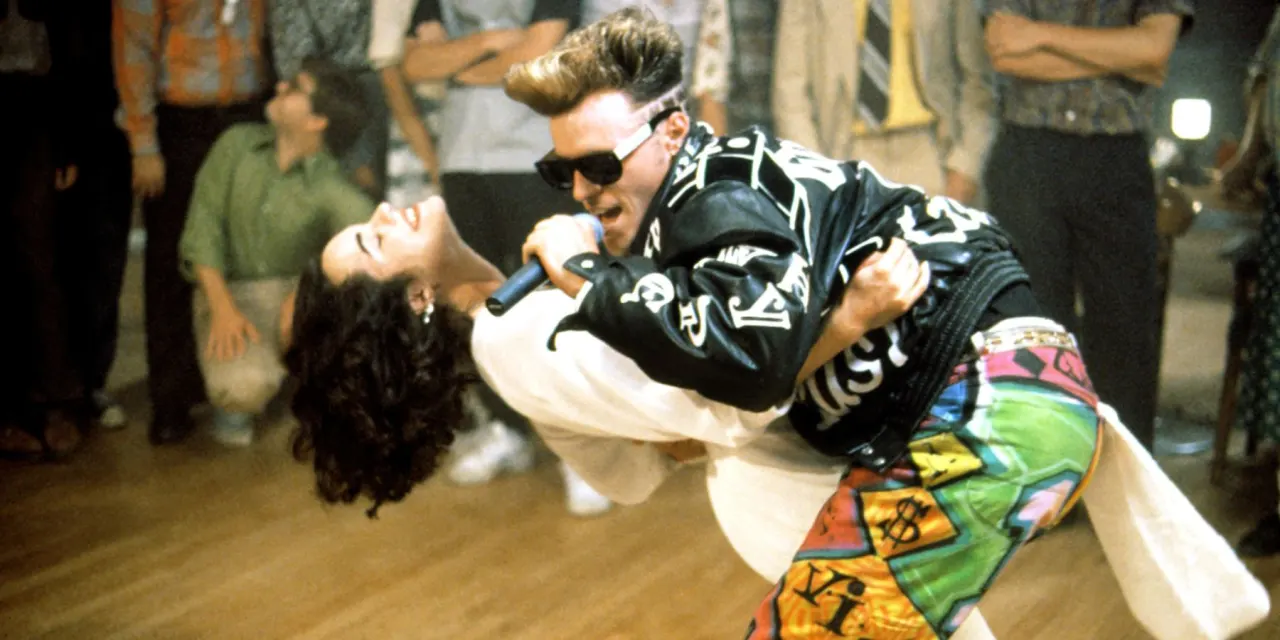
This article examines 1990s comedy films that have aged poorly, examining movies that either seemed acceptable at the time but now feel dated, or were poorly received then and have only deteriorated with time. The piece criticises these films for their outdated humour, offensive content, and general lack of quality, using examples to illustrate how comedic sensibilities have shifted dramatically over the decades.
The article highlights several specific examples of these problematic comedies: – **Stop! Or My Mom Will Shoot** (1992): A Sylvester Stallone vehicle co-starring Golden Girls' Estelle Getty as an overbearing mother, which won multiple Razzie Awards for Worst Actor, Supporting Actress, and Screenplay; the humour about maternal interference feels even more dated and contrived today. – **Mr. Nanny**: A vehicle for wrestler Terry "The Hulk" Hogan playing a former pro wrestler hired as a nanny and bodyguard for two children, featuring PG-rated family film tropes that come across as unwatchable nonsense.
In short
- 1990s comedies frequently employed offensive humour and tired tropes that have not aged well
- Films like Stop! Or My Mom Will Shoot and Mr. Nanny exemplify poor comedy writing from the era
- Changing cultural attitudes have made these films even less palatable to modern audiences
Steelman: both sides, in good faith
The strongest fair case each way — we don't pick a winner.
The case for
These films should be evaluated within the comedic and cultural conventions of the 1990s rather than by contemporary standards. Comedy is inherently subjective, and dismissing these works simply because they do not align with current sensibilities overlooks that many viewers found genuine entertainment value in them at the time. Rather than retroactively condemning them, one might appreciate how they reflected their era whilst acknowledging that cultural tastes naturally evolve.
The case against
These films merit criticism not because standards have changed arbitrarily, but because poor comedic writing and problematic stereotypes represented genuine failings even when the films were made. Attributing harmful content to mere historical context overlooks that such material caused real offence to real people in the 1990s. Recognising these films as failures reflects a more honest assessment of what actually constitutes effective and ethical comedy, not anachronistic judgement.
Explained simply
The 1990s produced many comedy films that have become increasingly difficult to watch as time has passed. Some were already unpopular when released, whilst others seemed acceptable to audiences at the time but now feel uncomfortable or simply outdated.
Comedy relies heavily on what audiences find funny, and these tastes change significantly over time. Jokes that worked in the 1990s frequently centred on stereotypes or casual offensiveness that modern audiences find less palatable, causing these films to date rapidly.
Examining these films provides a useful window into how entertainment standards and social attitudes have shifted over the decades. What once passed as entertainment can reveal uncomfortable truths about what was considered acceptable in the past.