Entertainment news and discussion on TalkFuse.
7 Great Epic Movies That Marked the End of an Era
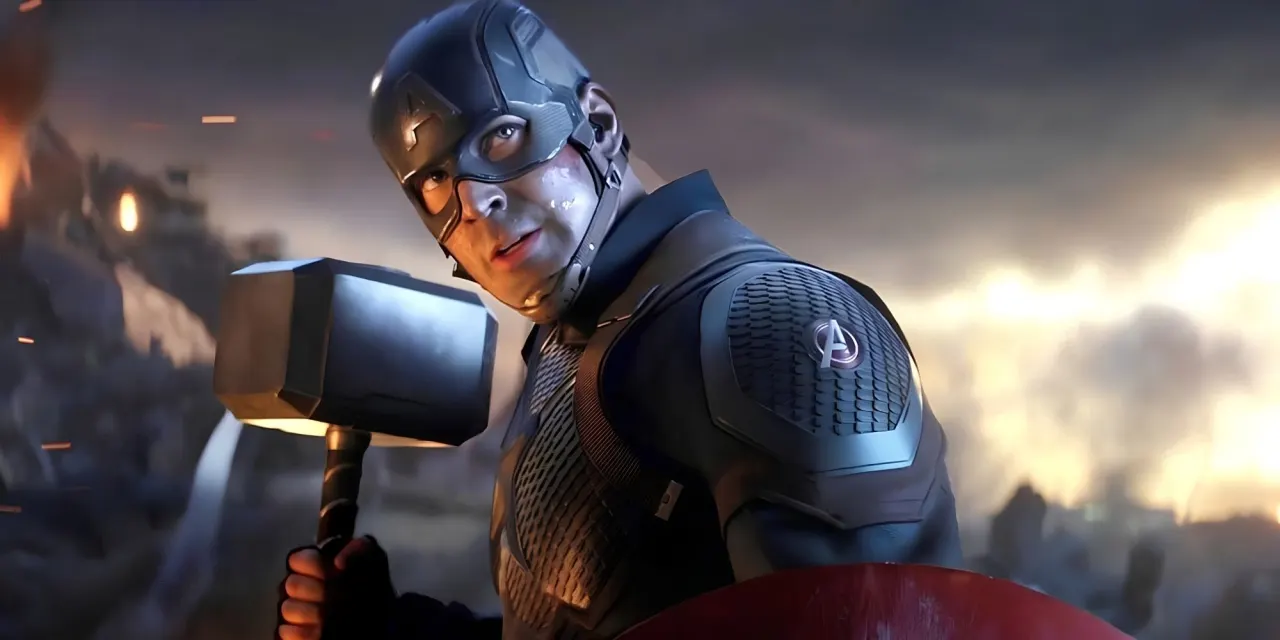
The article presents seven epic films as markers of endings in cinema, from the close of creative partnerships and filmmaking styles to shifts in genres and the wider industry. It argues that these films matter both as artistic works and as signs of eras giving way to something different.
Among the examples, Akira Kurosawa and Toshiro Mifune’s final collaboration, *Red Beard*, was also Kurosawa’s last black-and-white film. *Once Upon a Time in Hollywood* evokes the fading era of original, star-led blockbusters, while Sergio Leone’s *Once Upon a Time in America* reflects the decline of director-led, large-scale filmmaking. *Avengers: Endgame* is described as the high point of a superhero era built over more than a decade of interconnected Marvel films.
In short
- Seven epic films are framed as markers of cinematic endings.
- *Red Beard* was Kurosawa and Mifune’s final collaboration.
- *Avengers: Endgame* culminated more than a decade of Marvel films.
Explained simply
Epic films can mark change at several levels: the end of a partnership, a shift in how films are made, or the fading of a genre. Their scale and subject matter often make them feel like summations of the period in which they were made.
Akira Kurosawa and actor Toshiro Mifune worked together on many films; Red Beard was their final collaboration and Kurosawa’s last film in black and white. Other examples point to broader changes, from the decline of director-led productions to the rise of films built around linked stories and characters.
These shifts matter because cinema is shaped by both individual artists and the way films are financed, made and watched. A film can therefore be remembered not only for its story, but also for the moment in film history it represents.