Entertainment news and discussion on TalkFuse.
7 Horror Books More Terrifying Than Any Scary Movie
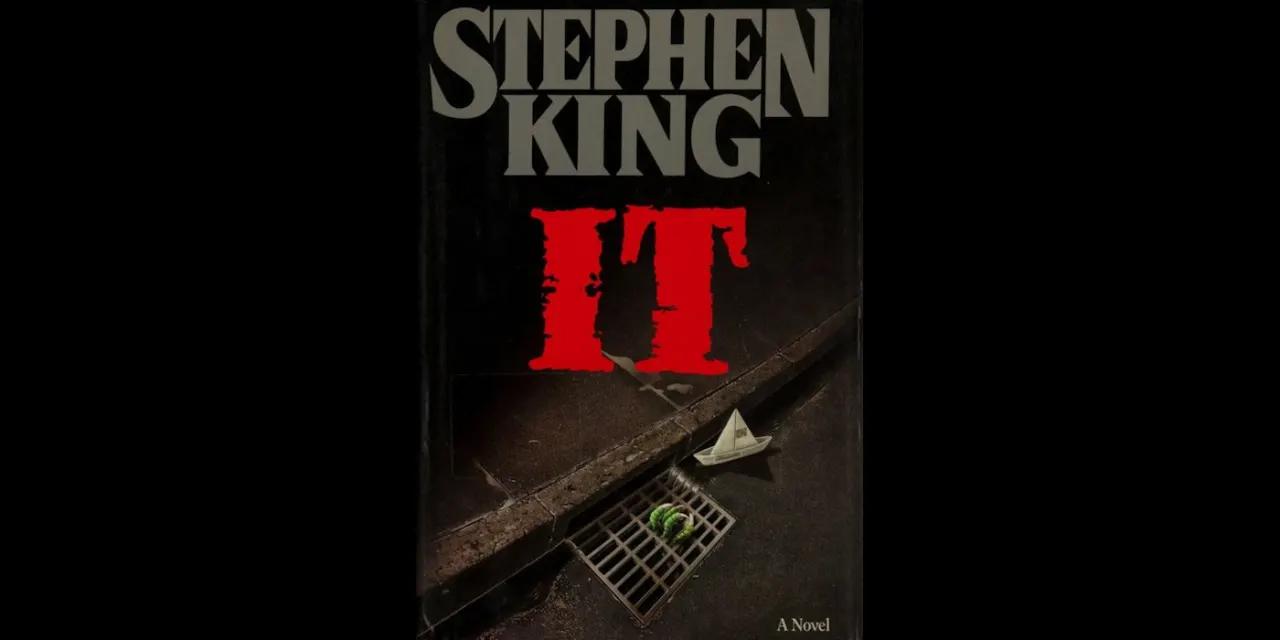
Collider has published a listicle recommending horror novels considered scarier than their film adaptations, arguing that books allow readers' imaginations to conjure more personal, lingering dread than cinema can achieve visually. The piece frames written horror as building slow, psychological terror through implication rather than explicit imagery, making the reading experience more unsettling despite well-regarded screen versions existing for some titles.
– Pet Sematary (1983) by Stephen King — a family unknowingly settles near a burial ground with the power to resurrect the dead, unleashing grief-driven horror; nominated for the 1984 World Fantasy Award and twice adapted for film (1989, 2019) – 'Salem's Lot (1975) by Stephen King — a writer returns to his Maine hometown to find residents turning into vampires, modernising vampire lore in a contemporary small-town setting; adapted into two TV series and a film – Further entries continue the list up to seven titles, though the full article text was not available beyond the first two books
In short
- Collider lists horror novels deemed scarier than their movie versions.
- Pet Sematary and 'Salem's Lot by Stephen King feature among them.
- Article argues books create deeper psychological dread than film.
Steelman: both sides, in good faith
The strongest fair case each way — we don't pick a winner.
The case for
Horror novels harness readers' imaginations to conjure deeply personal terror that film cannot replicate, as unseen threats prove psychologically more disturbing than visual depiction. Through sustained implication and psychological exploration rather than explicit imagery, books build dread that lingers far longer than any film sequence, engaging readers' emotions and vulnerabilities in ways that create more authentic and enduring horror.
The case against
Cinema engages multiple sensory channels—sight, sound, music—creating an immersive visceral experience that often proves more immediately terrifying than imagination alone. Modern horror filmmaking has developed sophisticated techniques in cinematography, atmospheric design, and sound engineering that can provoke profound fear responses; moreover, individual preferences for different media vary considerably, making claims that books are universally scarier than films fundamentally subjective rather than objectively true.
Explained simply
Horror can work differently on the page and on screen. A novel can build fear gradually through a character’s thoughts, unanswered questions and the reader’s own imagination, while a film presents images and sounds chosen by its creators.
Stephen King’s Pet Sematary and ’Salem’s Lot are examples of novels that have also been adapted for film or television. One centres on a family and a burial ground said to bring the dead back; the other follows a writer who finds a vampire threat in his Maine hometown.
Comparing books with their screen versions raises questions about how stories create suspense and fear. Readers and viewers may respond differently, since a book leaves more of the imagined details to each person.