Video games news, releases, esports and culture — all the biggest gaming stories in one place.
7 years later, new Game of Thrones play The Mad King might answer a huge Daenerys Targaryen question
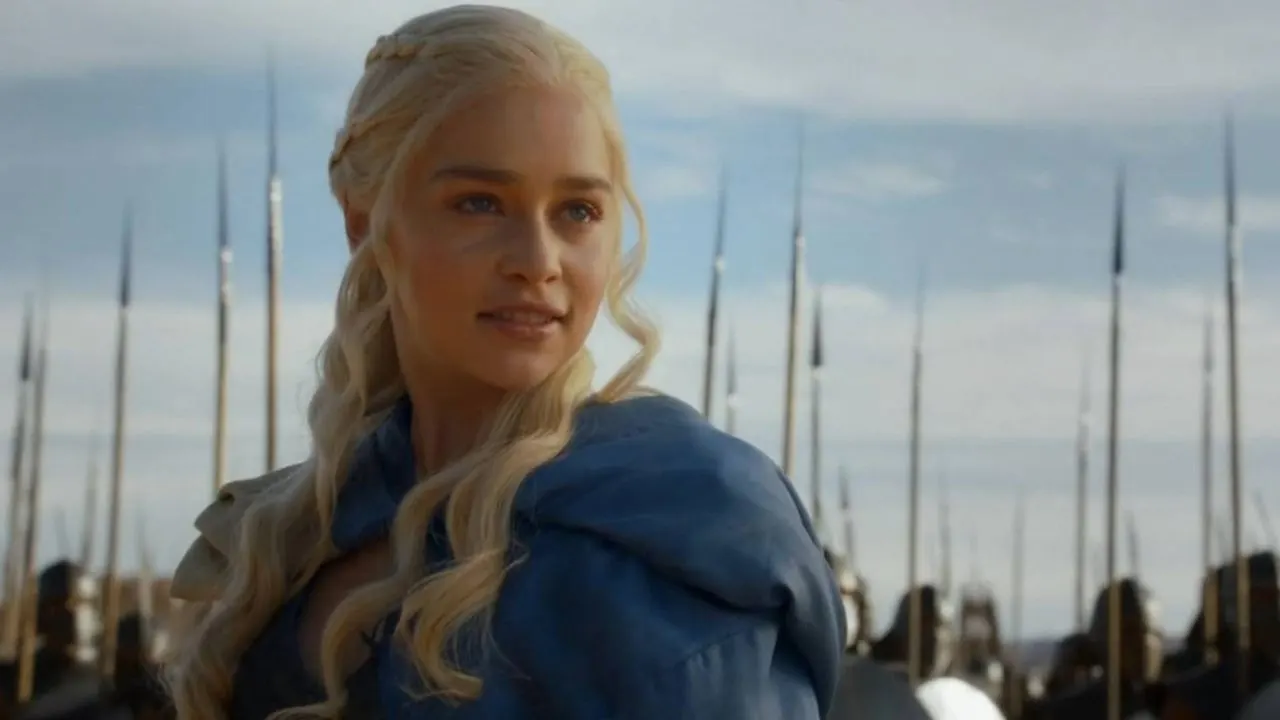
Seven years after Game of Thrones concluded its divisive final season, a theatrical adaptation titled "The Mad King" has premiered in England and explores the origins of one of the series' most pivotal characters. The play focuses on the circumstances of Daenerys Targaryen's birth and examines whether her destructive destiny was predetermined or the result of prophecy interpreted through her father's delusion.
According to the production, the Mad King Aerys Targaryen believed an ancient prophecy required a third-born child to become a saviour figure. When a red star appears in the sky, he interprets it as a sign and forces his wife Rhaella to conceive Daenerys. However, Rhaella curses the child during this traumatic encounter, wishing not for a prince but for a wrathful daughter who would bring dragons and destruction. The play thus frames Daenerys's later actions—particularly her hatching of dragons from funeral pyres—as the manifestation of her mother's rage rather than a heroic awakening, adding a dark dimension to her character arc.
In short
- New theatrical adaptation 'The Mad King' explores whether Daenerys Targaryen's destructive power was destined or cursed from birth
- The play suggests her father forced her conception based on prophecy whilst her mother cursed her to become a vengeful force for chaos
- Frames Daenerys's later actions—particularly hatching dragons—as manifestation of her mother's rage rather than heroic awakening
Steelman: both sides, in good faith
The strongest fair case each way — we don't pick a winner.
The case for
This reinterpretation offers psychological depth by positioning Daenerys as a figure shaped by intergenerational trauma rather than purely autonomous in her moral choices. By making Rhaella an active force in her daughter's destiny rather than a powerless victim, the narrative grants significance to maternal suffering and explores how ancestral wounds can manifest in destructive actions. This reading frames Daenerys as a tragic figure—simultaneously dangerous and pitiable—whose violence emerges from forces she did not choose, creating a more layered and sympathetic portrayal of her character.
The case against
An interpretation centring Daenerys's agency and personal responsibility offers greater narrative and moral weight to her character arc, avoiding a determinism that might diminish her accountability for her choices. This view holds that attributing her violence primarily to maternal curse risks excusing her actions, when a more compelling story emerges from understanding her as someone whose autonomous decisions, however tragic, shaped her own destiny. Narratives that hold characters responsible for their choices—even when those choices reflect genuine flaws or trauma—ultimately tell more powerful and morally meaningful stories about human agency and the consequences of power.
Explained simply
Game of Thrones is a fantasy story about rival families fighting for power in the land of Westeros. Daenerys Targaryen is born into a royal family whose claim to the throne has been lost; her father, Aerys, is known as the Mad King, and her mother is Rhaella.
The series follows Daenerys as she seeks power and becomes known for her dragons. Prophecy and family history shape how characters understand her rise, but the story leaves room to question whether her later violence was foretold or shaped by events and choices.