8 Forgotten Xbox 360-Era Franchises That Deserve a Comeback
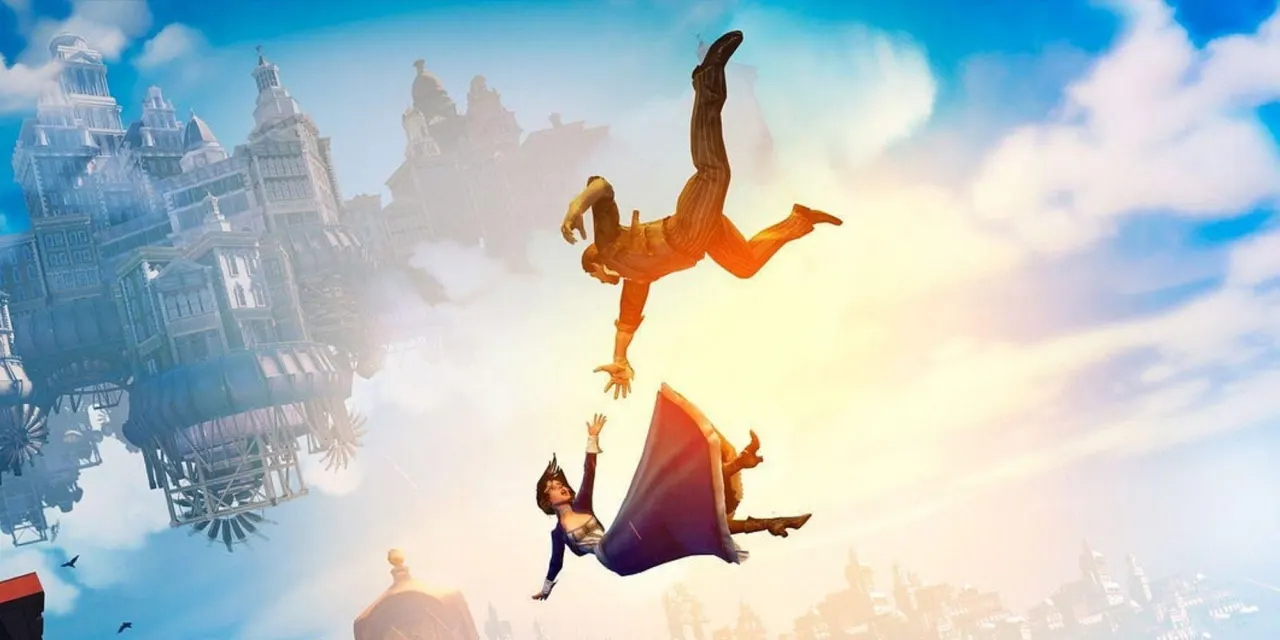
The article argues that eight Xbox 360-era franchises deserve revivals, saying they were left behind as publishers pursued safer sequels and live-service games. It says their ideas could find larger audiences today, particularly as gaming tastes have shifted and some gameplay concepts have since become mainstream.
The excerpt describes Viva Piñata, a garden simulator that launched in 2006, and Kameo: Elements of Power, an Xbox 360 launch title from 2005. Both were praised for distinctive gameplay and presentation, but sales, limited scope for sequels and studio priorities left them dormant. The article points to the popularity of cosy games such as Stardew Valley and Animal Crossing, and of ability-based gameplay, as reasons their concepts could work now.
In short
- The article names eight dormant Xbox 360-era franchises it believes merit revivals.
- Viva Piñata launched in 2006; Kameo arrived with the Xbox 360 in 2005.
- Today’s gaming trends may suit both series’ distinctive ideas.
Steelman: both sides, in good faith
The strongest fair case each way — we don't pick a winner.
The case for
Reviving Viva Piñata and Kameo could give players distinctive experiences that are scarce in a market dominated by familiar franchises. The success of cosy games and the wider appeal of varied, ability-based gameplay suggest there may now be a larger audience for ideas that were once ahead of their time.
The case against
A revival would still be a commercial gamble: past sales, limited sequel potential and changed studio priorities may signal that these games had narrower appeal than their admirers recall. Publishers could reasonably direct scarce development resources towards new ideas or established series with clearer demand, rather than assume today’s popular genres would translate into success for these particular franchises.
Explained simply
The Xbox 360 was Microsoft’s games console from the mid-2000s, when publishers often built series around distinctive new ideas. Viva Piñata asked players to create a garden that attracted colourful creatures, while Kameo: Elements of Power let its hero transform into different forms to solve problems and fight.
Both games drew praise for their style and gameplay, but neither became a lasting series. Their absence reflects the difficulty of sustaining games that do not achieve the sales or sequel potential publishers seek, as well as studios shifting their attention elsewhere.
The article places these games alongside broader changes in gaming: cosy garden and life-simulation games have since found large audiences, and ability-based play is now familiar to many players. That context helps explain why older concepts might appeal to new audiences, though a revival’s success would depend on how it was made and marketed.