Entertainment news and discussion on TalkFuse.
8 Greatest ‘Calvin and Hobbes’ Comic Strips of the 1990s, Ranked
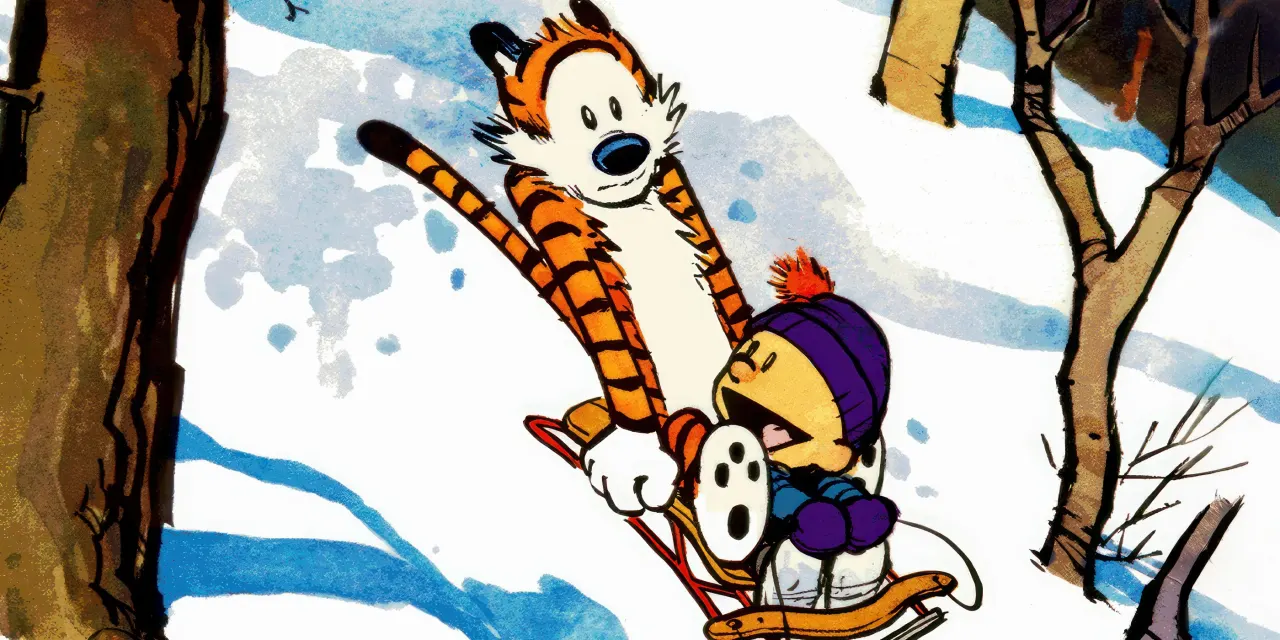
Collider has compiled a ranking of eight greatest Calvin and Hobbes comic strips from the 1990s, the final decade of Bill Watterson's beloved syndicated comic before it ended on 31 December 1995. The article celebrates how the strip's quality never diminished throughout the decade and showcases examples that exemplified Watterson's evolving artistic vision and darkly imaginative humour.
The ranked strips include Calvin's winter snow sculptures as outlets for his dark imagination, touching moments such as a strip showing Calvin and Hobbes saying goodbye before school (with Calvin's mother bringing the rain-soaked stuffed tiger inside), and provocative entries like a controversial strip where Calvin reads a twisted story to his class involving deer as hunters shooting people. The article highlights Watterson's ability to explore complex themes—from commentary on modern art and commercialism to the complicated relationship between Calvin and his parents—whilst maintaining the comic's unique blend of whimsy and philosophical depth.
In short
- Ranking celebrates Calvin and Hobbes' final decade before ending in 1995
- Best strips featured Calvin's dark imagination, often involving snow sculptures
- Watterson masterfully blended philosophical themes with darkly imaginative humour
Explained simply
Calvin and Hobbes was a daily comic strip created by Bill Watterson that ran for nearly thirty years before ending on 31 December 1995. The strip featured a boy named Calvin and his stuffed tiger Hobbes, and became beloved for blending childhood humour and adventure with surprisingly thoughtful observations about friendship, imagination, and modern life.
Throughout the 1990s, the comic's final decade, Watterson continued to expand his artistic vision and explore increasingly complex themes. Whilst earlier strips had focused mainly on Calvin's antics and his relationship with Hobbes, the later 1990s saw him tackle broader topics such as commercialism and art, all whilst maintaining the distinctive wit that readers loved.
The final years of Calvin and Hobbes are often remembered as a high point by those who followed the strip, showcasing both deeply touching moments and Watterson's surprising willingness to venture into darker or more provocative territory. This period demonstrated why the strip had maintained such a devoted readership over its entire run, blending emotional authenticity with imaginative boldness.