8 Movie Trilogies That Are Perfectly Structured
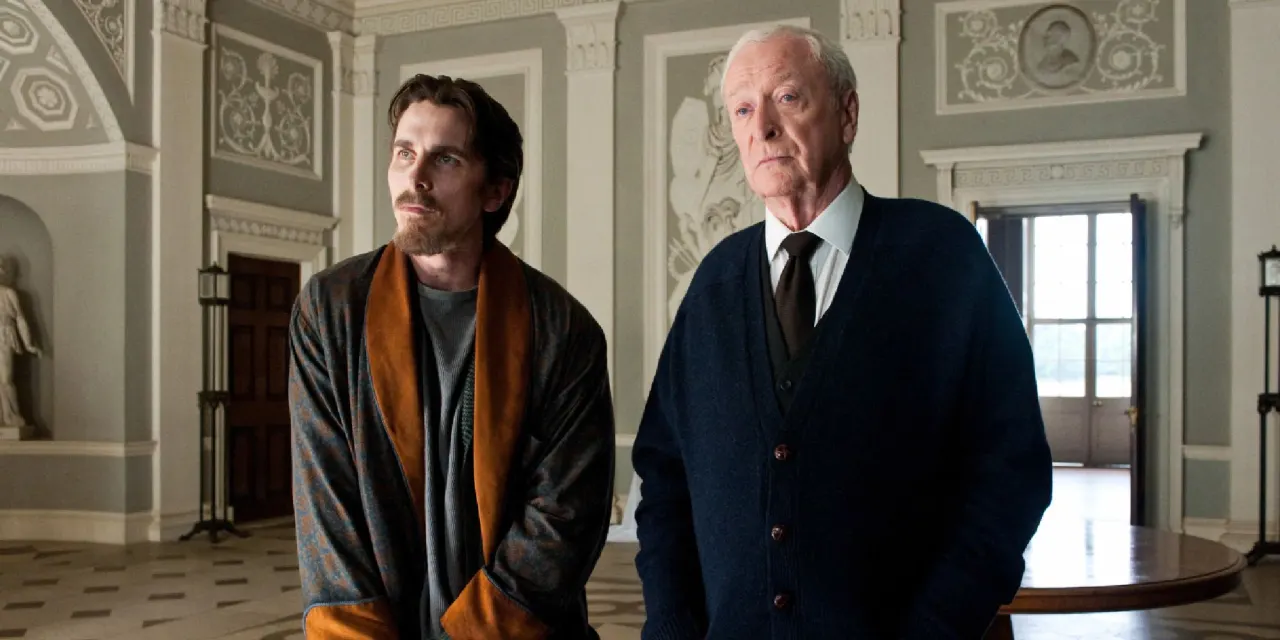
This article is a listicle from Collider highlighting eight film trilogies praised for their storytelling architecture, where each instalment builds meaningfully on the last rather than simply repeating a formula. The author argues that the most satisfying trilogies are those where the structure itself becomes part of the appeal: the first film establishes the premise, the second complicates it, and the third resolves the emotional and thematic threads in a way that feels inevitable.
Among the examples discussed are the "Fear Street" horror trilogy, praised for using a folded, non-linear structure across its three films to turn slasher mythology into layered emotional history, and Krzysztof Kieślowski's "Three Colours" trilogy (Blue, White, Red), commended for linking thematically and tonally distinct films through mood and coincidence rather than direct plot continuation. The piece also references Richard Linklater's "Before" trilogy as another example of structural design built on character development rather than escalating stakes, though the full list of all eight trilogies is not captured in the excerpt provided.
In short
- Collider lists eight trilogies praised for strong narrative structure.
- "Fear Street" and "Three Colours" trilogies cited as standout examples.
- Focus is on cumulative storytelling rather than plot or spectacle alone.
Explained simply
A film trilogy is a set of three related films, often planned so that each adds to a larger story or explores a shared idea. Some trilogies follow the same characters and events; others connect more loosely through themes, style or recurring details.
The films mentioned here show different ways to shape a trilogy. Fear Street uses events across different periods to build a horror story, while Krzysztof Kieślowski’s Three Colours films are linked by themes and mood rather than one continuing plot. Richard Linklater’s Before films follow the changing relationship of two characters over time.
How the films fit together can affect how viewers understand each one and the trilogy as a whole. The structure may make a later film change the meaning of earlier events or bring a character’s development into focus.