8 Years Later, Taylor Sheridan’s Greatest Western Still Says Everything About America
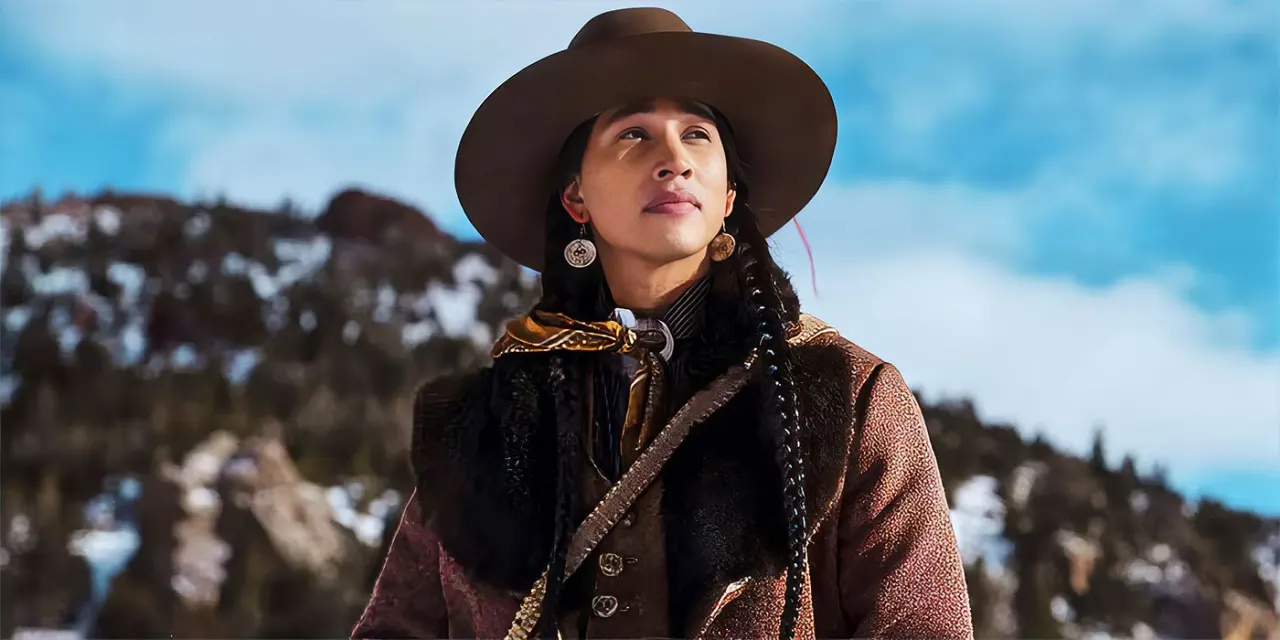
Eight years after Yellowstone premiered in 2018, the Taylor Sheridan-created Western drama remains, in the view of this opinion piece, unmatched by anything else on American television, despite the sprawling franchise it has since spawned. The show, which ended after five seasons in December 2024, was initially met with mixed-to-negative reviews but grew into one of the most-watched programmes in the United States by its third season, cementing Sheridan as one of Hollywood's most in-demand creators.
Since then, Sheridan has built out a wider television universe, including prequels 1883 and 1923 (the latter Paramount+'s biggest series debut) and other dramas such as Mayor of Kingstown, starring Jeremy Renner, and Tulsa King, starring Sylvester Stallone, alongside further Dutton-family spin-offs like Marshals and Dutton Ranch. The article argues that despite this expansion, none of Sheridan's subsequent projects have replicated the cultural reach and impact of the original Yellowstone.
- Yellowstone remains Sheridan's most culturally significant show, eight years on
- Franchise has expanded via 1883, 1923, Marshals and Dutton Ranch
- Sheridan also created Mayor of Kingstown and Tulsa King spin-off hits
New here? Start with this
Yellowstone is an American television drama set on a large ranch in Montana. It follows the Dutton family, who own the ranch, and their conflicts with people and institutions seeking to use the surrounding land.
The series was created by Taylor Sheridan, a writer and filmmaker whose television work often centres on power, family and life in the American West. Its success led to prequels and spin-offs that explore other periods and characters, as well as separate dramas created by Sheridan.
The ranch setting brings together questions about land ownership, economic change and the future of rural communities. Those themes, alongside the Dutton family story, help explain why Yellowstone drew a large audience and became a major part of American television.