9 Most Campy Horror Movies From the Last 5 Years, Ranked
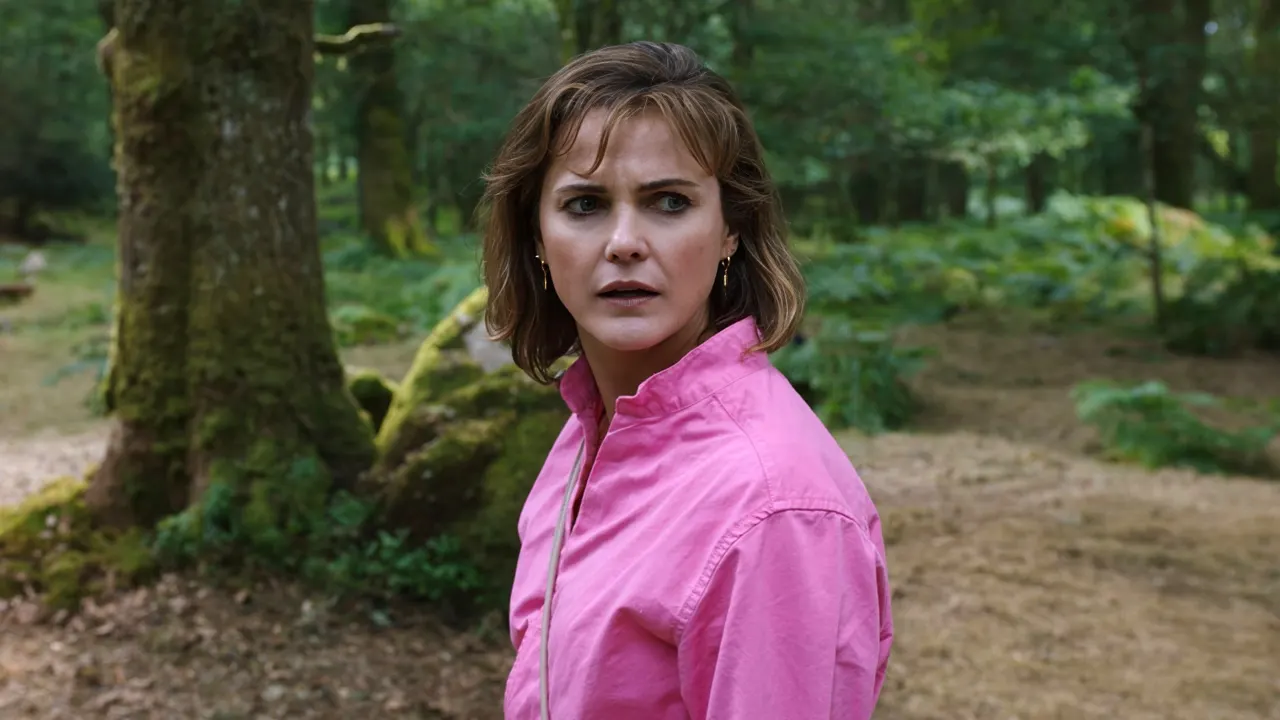
The article ranks nine recent horror films that embrace camp, treating silliness as part of the genre’s appeal rather than a flaw. It argues that these films balance scares with playful excess, offering an alternative to more serious, thought-provoking horror.
The examples in the supplied text include *It’s a Wonderful Knife*, which mixes a Christmas-themed alternate-life story with slasher violence, and *Malignant*, whose mystery gives way to an extravagant supernatural finale. *Slay* pits four drag performers against vampires in a low-budget B-movie setting, while *Willy’s Wonderland* turns a run-down children’s restaurant into a battleground for Nicolas Cage’s silent cleaner. The article presents camp as a source of fun and potential cult appeal.
In short
- Campy horror mixes scares with deliberately silly fun.
- The films range from festive slashers to vampire B-movies.
- *Malignant* saves its wildest turn for the finale.
Steelman: both sides, in good faith
The strongest fair case each way — we don't pick a winner.
The case for
Campy horror offers a deliberate alternative to solemn, psychologically weighty films: playful excess, knowingly silly premises and outrageous scares can make horror entertaining in a different way. Films such as Slay and Willy’s Wonderland show how low-budget conventions and eccentric performances can become part of the pleasure, giving audiences memorable films with potential cult appeal.
The case against
Some viewers may prefer horror that builds tension through restraint, credible characters or serious themes, and feel that campy excess weakens those aims. A deliberately silly tone can also make scares less effective, while familiar B-movie devices may seem shallow or tiring rather than charming.
Art Culture Entertainment Film Horror