Sport news and discussion on TalkFuse.
A bitter end for Ronaldo – the icon who transformed Portugal
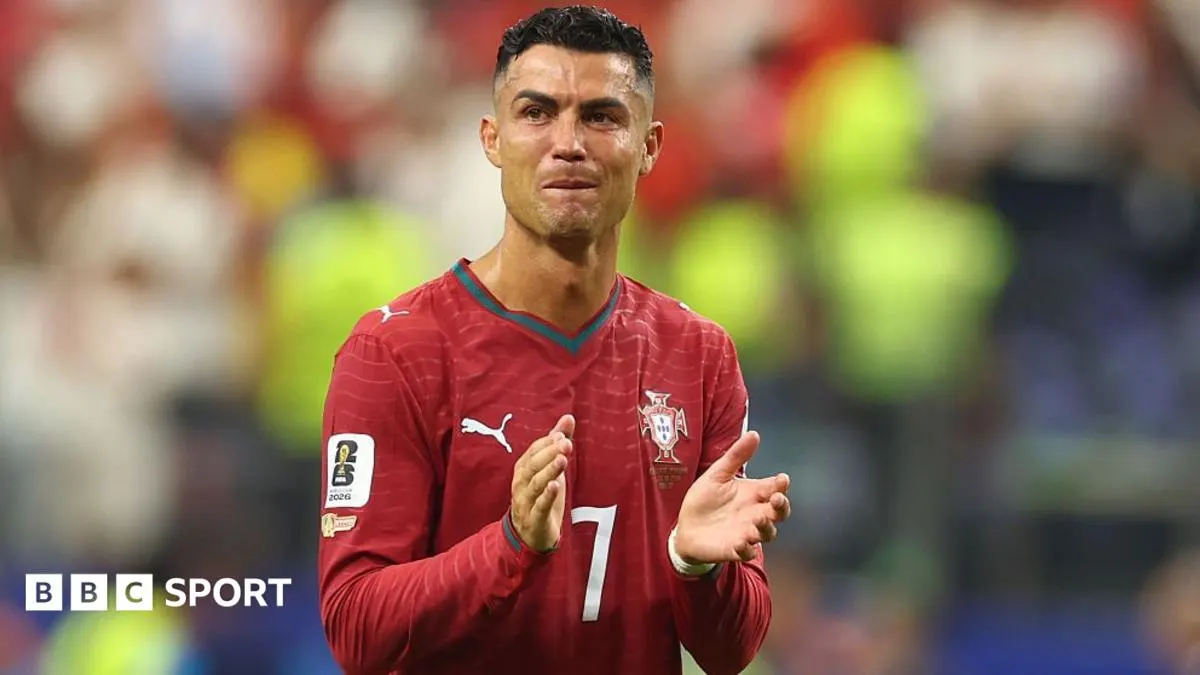
Cristiano Ronaldo has retired from international football aged 41, ending a 23-year Portugal career with 146 goals in 234 appearances. His departure followed a dispute with coach Jorge Jesus over leaving the training camp without permission, and the resulting benching; although the coach said a return remained possible, Ronaldo’s exit has left a sour note alongside national gratitude for his achievements.
The article traces how Ronaldo grew from an immature young player into Portugal’s defining football figure, while repeatedly clashing with managers over his status. He joined the squad before Euro 2004, where Portugal lost the final to Greece, and later became captain after Luís Figo left the team. Sociologist João Nuno Coelho says the national side came to represent Portuguese identity and the desire for international recognition, helping explain Ronaldo’s importance beyond his records.
In short
- Ronaldo retires from Portugal aged 41.
- He scored 146 goals in 234 internationals.
- A dispute over his role shaped his final exit.
Steelman: both sides, in good faith
The strongest fair case each way — we don't pick a winner.
The case for
Ronaldo’s retirement warrants recognition of an extraordinary contribution: his goals, longevity and leadership helped define Portugal’s national team and bring the country international attention. His clashes with coaches and the dispute that preceded his departure do not erase the years of service, and supporters may reasonably see the sour ending as only one part of a much larger legacy.
The case against
Ronaldo’s achievements do not place him above the standards expected of any player representing the national side. Leaving camp without permission and a history of disputes over status can be seen as undermining team discipline and the authority of coaches; on this view, gratitude for his career can coexist with disappointment that it ended in conflict.
Explained simply
Cristiano Ronaldo is one of Portugal’s most celebrated footballers. He joined the national team before the 2004 European Championship, where Portugal lost the final to Greece, and later became captain after Luís Figo left the team.
Ronaldo’s long career brought major scoring records, but his relationship with coaches was sometimes strained, particularly over his role in the side. Portugal’s national team also carries meaning beyond football: for many, it represents the country’s identity and its place on the international stage.