Entertainment news and discussion on TalkFuse.
A brief history of Nintendo NOT letting you play as Zelda
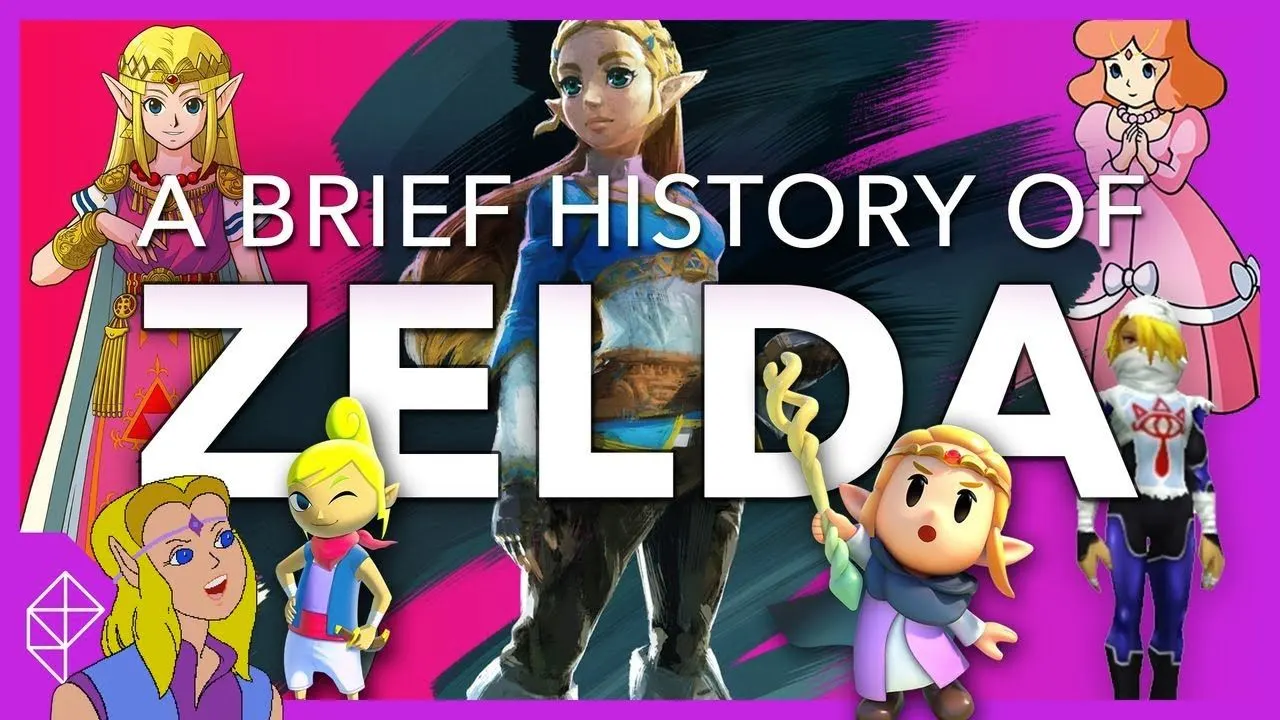
A Polygon video feature explores the surprisingly long history of games in which players have been able to control Princess Zelda, ahead of the release of The Legend of Zelda: Echoes of Wisdom. That title is notable for being the first mainline Zelda game to let players control the princess herself rather than series hero Link, but the piece argues this is far from the character's first playable appearance. Presenter Clayton Ashley traces her various playable roles across Nintendo's history, highlighting how the franchise has long sidelined her despite her being its namesake.
The video runs through several examples predating Echoes of Wisdom, including the notorious Philips CD-i Zelda games from the 1990s and her playable inclusion in the Super Smash Bros. fighting game series. By tracing this history, the piece contextualises Echoes of Wisdom's significance while showing that Nintendo had previously found other, often lower-profile, avenues for making Zelda playable outside the mainline series.
In short
- Echoes of Wisdom is the first mainline Zelda game starring Princess Zelda herself.
- Polygon video traces earlier playable Zelda appearances, including Philips CD-i and Smash Bros.
- Highlights Nintendo's long history of sidelining the character despite her prominence.
Steelman: both sides, in good faith
The strongest fair case each way — we don't pick a winner.
The case for
Nintendo's long-standing restriction on playable Princess Zelda in mainline games was problematic, particularly given the franchise bears her name and players have demonstrably sought to play as her. This choice reflected outdated assumptions about gaming protagonists and unnecessarily limited the series' creative and narrative possibilities for decades. The success of Echoes of Wisdom proves her viability as a main character, raising legitimate questions about why this obvious avenue wasn't explored sooner.
The case against
Nintendo's design philosophy of centring Link as the player character was a deliberate and successful creative choice that provided narrative coherence and mechanical consistency throughout the franchise. Exploring different characters through spinoffs and crossover titles is a legitimate approach to expanding the universe whilst maintaining core design principles. Judging historical decisions through a modern lens, without accounting for the technical and cultural contexts in which they were made, overlooks how reasonable and justified these creative choices were at the time.
Explained simply
The Legend of Zelda is a Nintendo game series usually centred on Link, a hero who sets out to rescue Princess Zelda and protect the kingdom of Hyrule. Although Zelda gives the series its name, players have generally controlled Link in its main adventure games.
Zelda has been playable in some games outside that main pattern, including the 1990s Philips CD-i titles and Nintendo’s Super Smash Bros. fighting games. These appearances differ in how central Zelda is to the action, but they show that the idea of playing as her predates her leading role in a mainline adventure.
That history helps explain why a Zelda-led mainline game is notable: it changes the familiar relationship between the princess and the player. It also reflects a wider question about how much space a long-running series gives its namesake character.