Entertainment news and discussion on TalkFuse.
A cracked version of Marvel Tōkon is reigniting questions around DRM and its impact on PC games
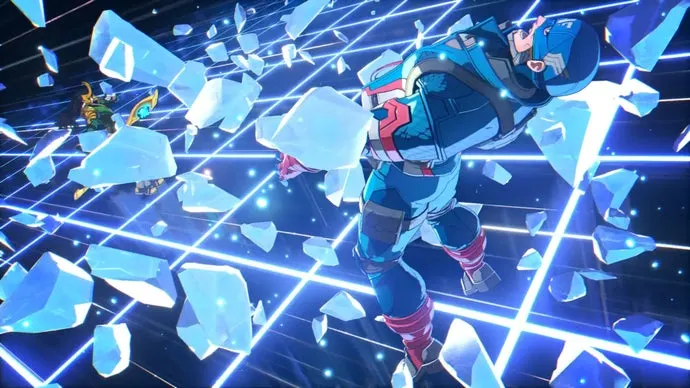
Marvel Tōkon: Fighting Souls, published by Sony, has reignited debate over PC digital rights management (DRM) after a cracked, DRM-free version of the game began circulating online. Since launch earlier this month, the official PC version has been beset by stuttering framerates, high CPU usage and network problems, which persisted for some players even after an early patch. Speculation had already pointed to the game's DRM as a likely cause, given the console release ran largely without issue, and reports about the cracked version's performance now appear to support that theory.
Several players who tried the cracked build have shared social media posts and videos claiming it runs noticeably better than the official release, including one comparison showing an almost 40fps difference and another showing the game seemingly playable on a GTX1650, well below Steam's stated minimum specification. These are unverified, second-hand claims, and Eurogamer cautions that cracked software can carry malware risks, so downloading one is not advised. Sony has not responded to a request for comment, and Steam data shows concurrent players falling sharply from a peak of 24,498 to a 24-hour peak of 5,249, as performance issues and matchmaking problems continue to affect the game.
In short
- Cracked Marvel Tōkon PC version reportedly runs better than official release
- Suggests DRM may be behind stuttering and CPU performance issues
- Player numbers have dropped sharply since the game's launch
Steelman: both sides, in good faith
The strongest fair case each way — we don't pick a winner.
The case for
Supporters of DRM argue that digital rights management protects intellectual property and ensures developers receive proper compensation, which is necessary for sustaining game development investment. They maintain that without such protections, unauthorised copying would increase significantly, potentially undermining the economic model that funds the industry, and that publishers have legitimate interests in controlling how their products are distributed and used.
The case against
Critics contend that legitimate customers should not experience worse performance than those using pirated versions, as DRM effectively penalises paying consumers whilst failing to prevent piracy. They argue that this represents an unjust outcome where rule-following players suffer real technical disadvantages, suggesting DRM is both ineffective at its stated purpose and unfair to those who support the creators through purchase.
Explained simply
Digital rights management, or DRM, is software publishers use to control access to games and discourage unauthorised copying. On PC, it can involve checks that run alongside a game, while console versions may use different systems.
Marvel Tōkon: Fighting Souls is a fighting game published by Sony, with versions for PC and consoles. Players have reported that the PC version has performance and network problems, leading some to question whether its DRM affects how smoothly it runs.
Claims that an unauthorised copy runs better have prompted wider discussion about DRM and PC game performance. Such comparisons are unverified, and unauthorised downloads can expose users to malware; the debate matters to players and publishers weighing copy protection against a reliable playing experience.