A Decade-Long Experiment Is Unlocking the Mysteries of the Ocean’s ‘Deep Reefs’
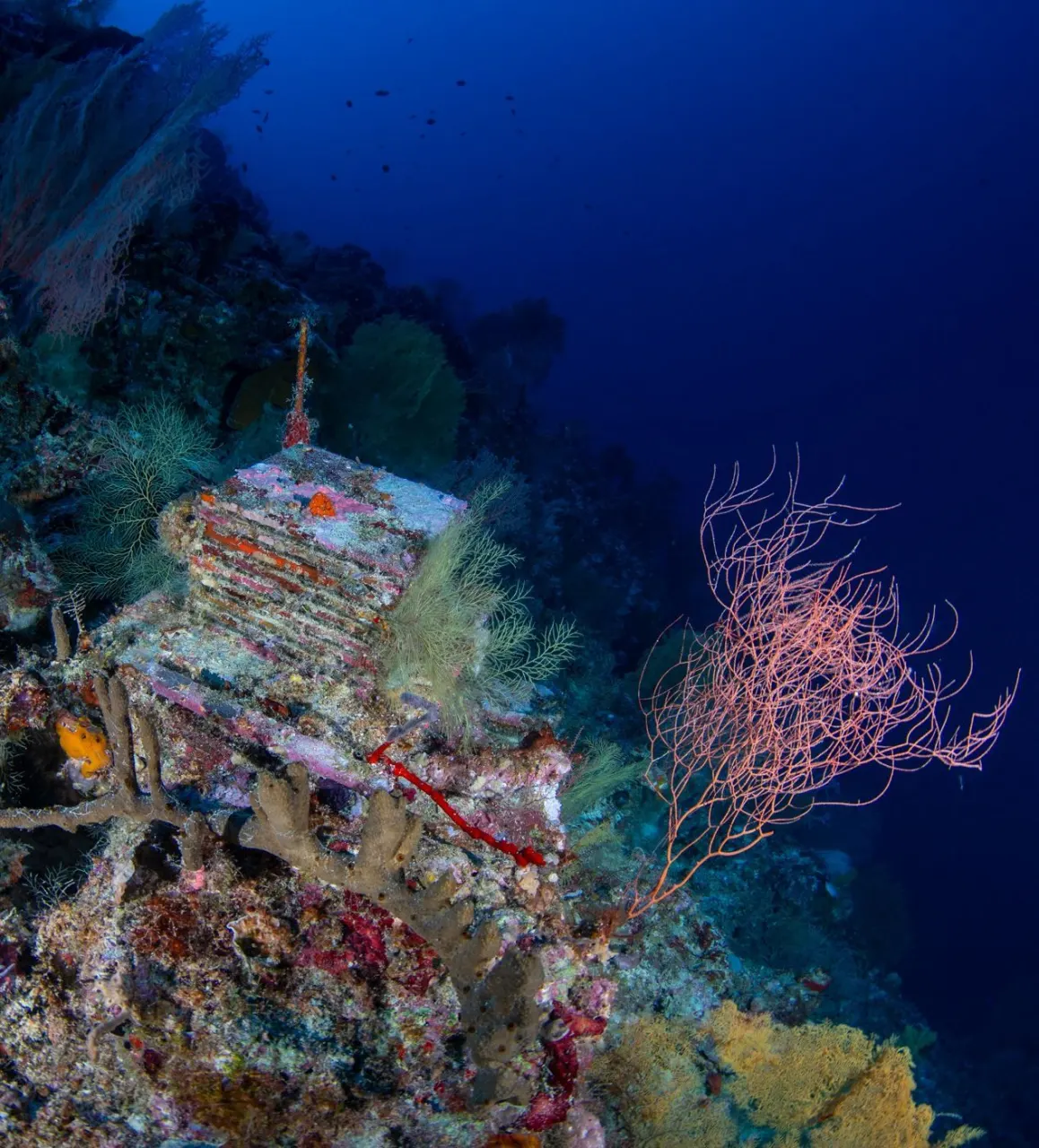
Researchers in Palau are retrieving scientific structures that have spent almost a decade on deep reefs, in the hope of learning more about these poorly understood ecosystems. The findings could help establish what lives there, how the reefs function and whether they offer refuge to species from shallower reefs.
Known as mesophotic reefs, these communities lie roughly 30 to 150 metres below the surface, where light is dimmer and water cooler. Studying them is difficult: at depths around 100 metres, divers may have only five to seven minutes to work before beginning a slow ascent, while remotely operated vehicles and submersibles also have limitations.
- Scientists are retrieving structures left on Palau’s deep reefs in 2016.
- The reefs lie about 30 to 150 metres below the surface.
- A brief dive window makes direct study difficult.
New here? Start with this
Deep reefs, known as mesophotic reefs, are underwater ecosystems found roughly 30 to 150 metres below the ocean surface. These areas receive far less light than shallower reefs and are considerably colder, making them fundamentally different environments that remain poorly understood by scientists.
Studying these depths presents formidable practical challenges for researchers. Divers working at around 100 metres can only spend five to seven minutes beneath the water before they must begin a slow and controlled ascent, which severely limits what they can accomplish. Remote exploration equipment, such as submarines and remotely operated vehicles, also faces significant constraints in these environments.
Researchers working in Palau have been running a decade-long experiment to overcome these obstacles by placing scientific structures on deep reefs to gather data over extended periods. Their work aims to establish what creatures live at these depths, how the reef ecosystems function, and whether deep reefs act as refuge for species that also inhabit shallower waters.