Palestinian filmmaker reworks seized archive footage to confront historical erasure
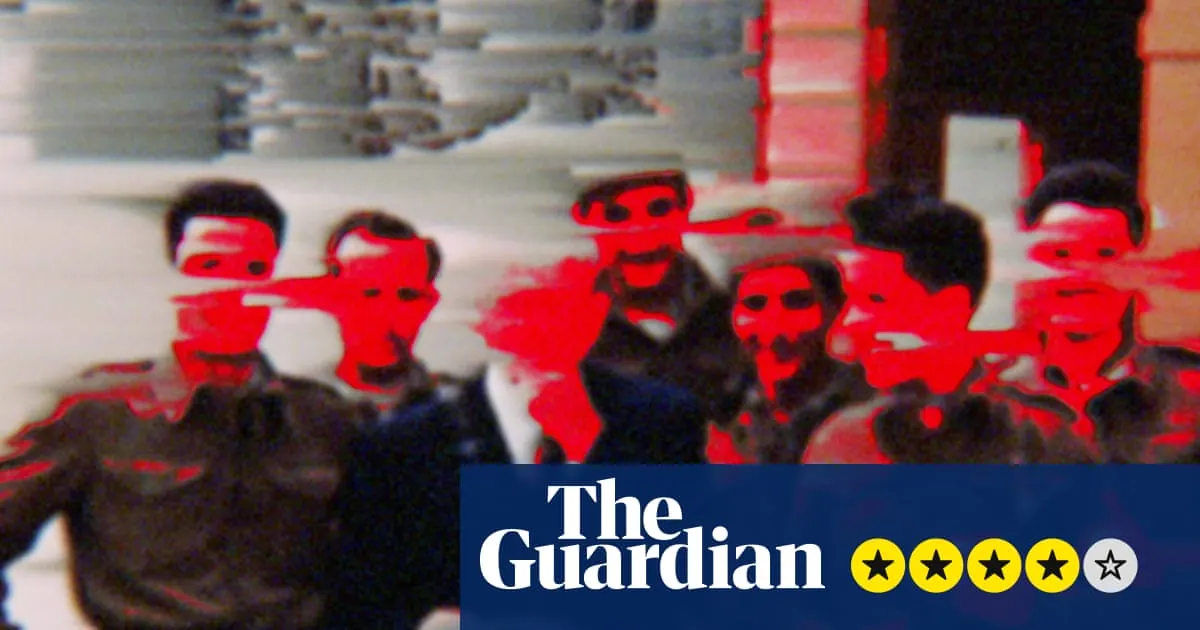
Palestinian film-maker Kamal Aljafari’s collage film *A Fidai Film* reworks footage from a seized archive to challenge propaganda and the erasure of Palestinian history. Through repeated images of violence across different periods, it draws links between British Mandate-era repression and later Israeli actions.
The film uses material once held by the Palestine Research Centre in Beirut, which Israeli forces raided in 1982 during the Lebanese civil war; many of its records are believed to remain with the Israeli army. Aljafari covers derogatory captions on some reels with red paint and overlays the images with poems by Palestinian writers, including Ghassan Kanafani. The film is due to stream on True Story from 16 October.
- Aljafari reshapes footage from a seized Palestinian archive.
- The collage links images of violence across decades.
- Palestinian poetry restores humanity to the reels.
New here? Start with this
The Palestine Research Centre was an archive based in Beirut that held historical records related to Palestinian politics and society. Israeli forces raided it in 1982 during the Lebanese civil war, and most of its contents—documents, photographs and film—remain outside Palestinian control and largely inaccessible to researchers and the public.
Historical archives preserve documentary materials—photographs, film, documents—that form the basis for historical research and public understanding. When such collections become inaccessible or are held outside the communities they document, it can affect which historical records are available for study and interpretation.
Palestinian filmmaker Kamal Aljafari creates experimental films exploring Palestinian history and memory. His work engages with historical materials and documentation as a means of artistic inquiry.
Both sides, in good faith
The strongest fair case each way — we don't pick a winner.
The case for
Aljafari's reworking represents a justified reclamation of Palestinian historical narrative from a seized archive that remains inaccessible. By removing derogatory captions and contextualizing footage with Palestinian voices, he reveals the propaganda embedded in the original materials and restores Palestinian agency to their own history. When institutional channels deny a people access to their records, artistic intervention becomes a legitimate tool for historical justice and for exposing continuities of oppression across different periods.
The case against
Modifying archival materials—regardless of the original captions' problems—compromises their integrity as historical documents and transforms them into artistic commentary rather than evidence available for independent scholarly assessment. If the archive was wrongfully seized, the remedy should be legal and political action to recover it. Covering captions and overlaying poetry may serve artistic purposes, but systematic preservation and careful scholarly contextualisation better serve historical truth by allowing future researchers to examine and debate the materials themselves.
Read the full article at the source →
Originally published by The Guardian as “A Fidai Film review – Palestinian collage film transforms suppressed footage into works of art”.