Antarctic sea ice loss coincides with rising Southern Ocean salinity
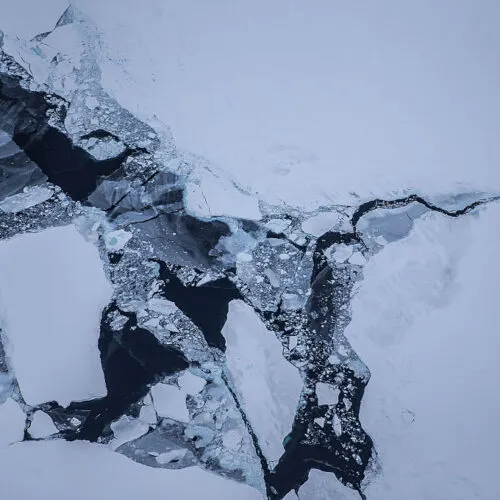
Researchers have found that a rapid loss of Antarctic sea ice since 2016 coincides with a sharp rise in salinity in a deep layer of the Southern Ocean. The change reverses decades of freshening and may affect ocean circulation, with consequences for how heat and carbon move around the planet.
The study used six datasets, including measurements from Argo floats, to track ocean conditions from 2004 to 2024. Antarctic sea ice fell to a record low in 2023, about one million square miles below the 1981–2010 average. Scientists say the salinity shift could alter heat storage and redistribution, but the record is too short to show whether it will last; they call for more monitoring and better climate models.
In short
- Deep Antarctic waters have become markedly saltier.
- The shift follows years of unusually low sea ice.
- Scientists say global effects are possible but uncertain.
Explained simply
Antarctic sea ice forms each winter and melts back in summer, adding fresh water to the Southern Ocean around Antarctica. Beneath the surface, layers of water differ in temperature and saltiness, and these differences help drive the movement of ocean water.
The Southern Ocean absorbs and carries heat and carbon, linking the atmosphere with the deeper ocean. Changes in its saltiness can affect how water layers mix and circulate, which may influence how heat and carbon are stored and moved around the planet.
Researchers use instruments including Argo floats, which drift through the ocean and record conditions at different depths. Their measurements help track changes over time, though a record spanning only a few decades cannot establish whether a shift will continue.
Read the full article at the source →
Originally published by Ars Technica as “A hidden ocean change near Antarctica could have global consequences”.