A Incredible Looking and Unofficial ‘Zelda Maker 64’ Is Coming to Steam
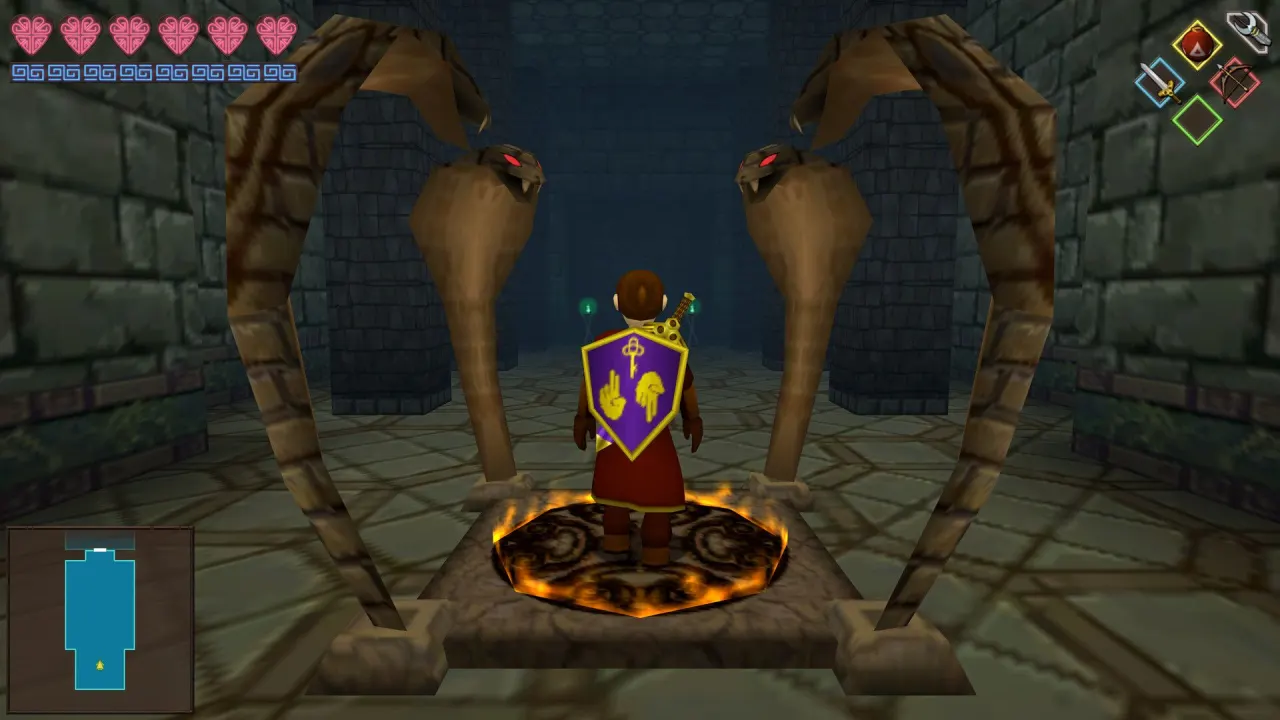
A solo developer working under the name Akela-morse is creating Temple Maker 64, an unofficial level-design suite that lets players build 3D dungeons in the style of N64-era Legend of Zelda games, and is bringing it to Steam. The 27-year-old, who left his full-time job around eighteen months ago to work on the project, was inspired by existing 2D Zelda-style dungeon makers but wanted to push the concept into 3D, giving players familiar weapons, items and enemies while carefully avoiding any of Nintendo's copyrighted names or exact character designs.
A Steam demo has been available since May, and Akela-morse hopes to add social features such as comments, tagging and lists, alongside a possible single-player campaign and contributions from other Zelda-inspired developers. Playtesters have already produced extremely demanding "Kaizo"-style levels requiring precise moves like rolls and backflips. The developer says he is not using any of Nintendo's IP, assets or code directly and is relatively unconcerned about legal action, while also hedging his bets with a second project, Seed of Life, and plans to eventually open-source the framework behind Temple Maker 64.
- Solo dev is building unofficial 3D Zelda-style dungeon maker for Steam
- Temple Maker 64 mimics N64 Zelda without copying Nintendo's IP
- Steam demo out since May; full release and social features planned
New here? Start with this
The Legend of Zelda is a Nintendo series of adventure games in which players explore dungeons, solve puzzles and face enemies. Many older games in the series use three-dimensional worlds, while fan-made dungeon builders have let players design their own challenges in two dimensions.
Temple Maker 64 is an independent project that aims to bring that kind of level-making into 3D, with tools and game elements inspired by the era of Nintendo 64 games. Its creator, known as Akela-morse, says the project does not use Nintendo’s names, artwork or software code.
The project matters to players interested in designing and sharing their own dungeons, and it raises questions about how fan-inspired games can draw on a familiar style while remaining separate from the original series. Nintendo owns the Zelda series, so the distinction between inspiration and use of protected material is relevant.
Both sides, in good faith
The strongest fair case each way — we don't pick a winner.
The case for
Temple Maker 64 could give fans a creative way to build and share the kind of intricate 3D dungeons that inspired it, extending a community tradition of making and playing user-designed levels. By avoiding Nintendo’s names, assets and code, the developer is seeking to make a distinct homage while keeping the project accessible through Steam.
The case against
Even without directly using Nintendo’s assets or code, a game deliberately evoking the look and feel of its best-known series may raise questions about how much it relies on another company’s creative identity. Nintendo and its supporters could argue that protecting the value and control of that identity matters, while the project’s unofficial status and the developer’s personal investment leave uncertainty about its long-term viability.