A Japanese town wrestles with identity after protests over its first mosque
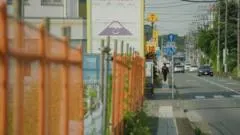
Plans to build the town of Fujisawa's first mosque have exposed deep divisions in Japan over immigration and social change, as the country's shrinking, ageing population forces it to rely increasingly on foreign workers despite historically restrictive attitudes to immigration. The dispute, which has drawn thousands of protesters as well as counter-demonstrations calling for tolerance, reflects wider unease about how an influx of migrants with different cultures, languages and religions is reshaping local communities.
Anti-mosque protests broke out earlier this year at Fujisawa's train station, with critics arguing the planned building would be disrespectful in scale compared with a nearby Shinto shrine. Local residents such as Noriko Izumizawa say polarising immigration debates in the US and Europe have fed their own anxieties, while others, including a nearby coffee shop owner, call for greater dialogue and understanding. Reports of hate speech, abusive calls and emails to mosques have also emerged nationally, echoed by Osaka-based Sri Lankan businessman Mohamed Mohideen, who says attitudes towards Muslims have hardened noticeably after nearly four decades living in Japan.
In short
- Fujisawa's first mosque plan sparks protests and counter-protests over immigration
- Japan's labour shortage is driving reliance on foreign, often Muslim, workers
- Long-term Muslim residents report rising hostility and online abuse
Steelman: both sides, in good faith
The strongest fair case each way — we don't pick a winner.
The case for
Japan's demographic crisis requires immigrant workers, making religious and cultural inclusion not merely moral imperatives but practical necessities. Religious freedom and peaceful coexistence benefit communities; a mosque meeting legitimate worship needs need not diminish nearby Shinto shrines, which serve different purposes. Dialogue and integration efforts can address genuine anxieties more effectively than exclusion, and the reported harassment undermines social harmony that immigrants and host communities alike need.
The case against
Communities have reasonable interests in managing social change thoughtfully and preserving the cultural continuity that gives them identity and cohesion. Concerns about how rapidly migrant populations reshape local character, and questions about proportional integration of new religious spaces, reflect legitimate civic considerations rather than mere prejudice. Ensuring adequate preparation, dialogue, and consensus-building—rather than swift imposition of change—can better serve both newcomer and established communities.
Explained simply
Japan is facing a shrinking and ageing population, which has forced the country to increasingly rely on foreign workers despite its historical reluctance to embrace immigration. This demographic pressure is bringing migrants with different cultures, languages and religions into communities across the country.
The town of Fujisawa is planning its first mosque, reflecting the growing Muslim population in the area. This project has become a focal point for broader anxieties in Japan about rapid cultural and social change. The situation reflects deeper tensions between those who welcome migrants and those who worry about the pace at which communities are being transformed.
Concerns about Muslims and immigration are rising across Japan, with reports of hate speech and abusive messages directed at mosques. Some long-term foreign residents say they have noticed attitudes towards them hardening in recent years, whilst some Japanese people have cited anxieties prompted by immigration debates in other countries such as the United States and Europe.