A jihadi hiding in plain sight? A trail of extremist online posts, a confession he wished to ‘die a martyr’… warning signs of British-trained co-pilot turned ‘hijacker’
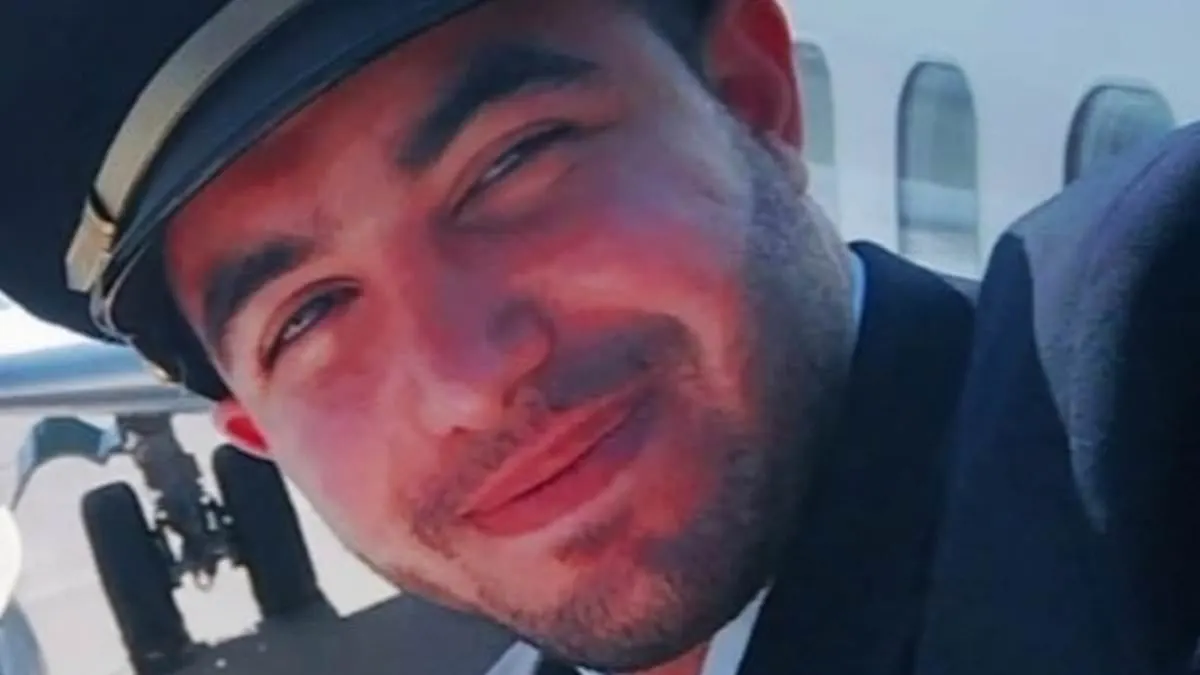
A co-pilot who trained at Acron Aviation, a British pilot school near Gatwick, attempted to hijack a Dubai-to-Israel flight by attacking the pilot with a crash axe. Hamam al-Hammami allegedly aimed to crash the aircraft into Tel Aviv's Ben Gurion airport or a building in what Israeli authorities described as an attempted jihadist terror attack "akin to 9/11", but passengers and off-duty pilots on board overpowered him. The incident raises serious questions about how aviation training schools screen international recruits and identify signs of radicalization.
Al-Hammami underwent training at Acron Aviation (formerly L3Harris Commercial Aviation), where pilot courses cost up to £94,500. During interrogation in the UAE, he confessed to planning the attack "as revenge for Gaza" and wanting to "die a martyr," having undergone what authorities characterised as "Islamist radical indoctrination." It has since emerged that now-deleted social media posts showed extremist views, though the degree to which such warning signs were monitored at his training school remains unclear.
- Co-pilot trained at British pilot school attempted to hijack Dubai-Israel flight
- He confessed to planning attack as revenge for Gaza
- Raises concerns about vetting and monitoring of international trainees
New here? Start with this
Flight training schools teach thousands of international pilots each year, with institutions like Acron Aviation near Gatwick charging substantial fees for professional qualifications. Pilots trained at such schools are given access to aircraft and sensitive positions within the aviation industry, and schools typically rely on standard background checks for recruitment and vetting. The question of how thoroughly these schools monitor for warning signs of radicalization or extremism has rarely been prominent in public debate.
A co-pilot trained at Acron Aviation is alleged to have attempted to hijack a commercial flight from Dubai to Tel Aviv by attacking the captain with a crash axe. Israeli authorities say he intended to crash the aircraft into Tel Aviv's Ben Gurion airport or a building in what they characterised as a jihadist terror attack. The attack was thwarted by passengers and off-duty pilots on board who overpowered him before he could succeed.
Investigation into the co-pilot's background revealed social media posts with extremist content, and during questioning he allegedly confessed to planning the attack as revenge for Gaza and expressed a desire to die as a martyr. The incident has now sparked questions about whether aviation schools should implement stronger vetting procedures to identify students showing signs of radicalization. It highlights a potential security gap in an industry where trained pilots have access to high-risk assets and positions.
Both sides, in good faith
The strongest fair case each way — we don't pick a winner.
The case for
Aviation training institutions bear responsibility for screening international applicants given security stakes. The defendant's extremist social media posts and explicit statements about wanting to die as a martyr directly preceded his attempted hijacking, indicating ideology and violent intent were connected. Institutions should implement reasonable vetting measures, including social media review, to identify warning signs before dangerous individuals gain access to training that could enable mass-casualty attacks.
The case against
Stricter ideological screening risks discrimination and overreach without reliable predictive value. Many people express strong political views, including on Gaza, without committing violence; hindsight bias makes warning signs appear obvious only after attacks occur. More invasive screening—particularly of applicants from Muslim backgrounds—could constitute unfair profiling whilst raising serious privacy concerns. The fundamental challenge is distinguishing genuine threats from legitimate political expression, and overly broad vetting may exclude qualified, peaceful individuals whilst missing actual threats.