Business news and discussion on TalkFuse.
A joyful harvest: the young Welsh farmers growing food for Birmingham
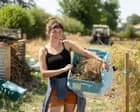
A charity-run project in Powys, Wales, is helping young growers establish market gardens on land they could otherwise never access, with the produce now feeding disadvantaged children in Birmingham. Wern farm near Newtown, run by the charity Our Food Trust, provides plots, homes and shared infrastructure to young farmers, tackling both the barrier of land costs for new entrants and Britain's reliance on food imports amid climate and geopolitical risks.
Grower Tilly Gomersall has transformed half a hectare of former pasture into a highly productive plot within 18 months, despite a growing season disrupted by record heatwaves and drought, while neighbours Lydia Dibben and Charlie James farm a nearby seven-acre plot. Since late July their produce has been supplied to Birmingham city council for distribution to children's holiday clubs. The UK imports around 40% of its food and has one of the lowest self-sufficiency rates in western Europe, yet only 0.2% of Welsh land is used for horticulture; Powys county council secured a 95-year lease and changed planning rules to allow growers to live on the land they farm, partly in response to concerns about extreme weather.
In short
- Welsh charity gives young growers land, homes to boost food production
- Powys farm produce now feeds disadvantaged children in Birmingham
- Scheme tackles UK's food import reliance and land-access barriers for farmers
Steelman: both sides, in good faith
The strongest fair case each way — we don't pick a winner.
The case for
Supporters argue that giving young growers access to land, homes and shared facilities can open farming to people priced out of it, while increasing local food production and supplying nutritious produce to children who may benefit most. They see the project as a practical way to strengthen food resilience and help communities adapt to climate and import risks.
The case against
Sceptics may question whether small market gardens can produce food at a scale or cost that meaningfully improves national resilience, especially when imports and larger farms can supply a wider range of food year-round. They may also argue that long leases and planning changes for one project are not necessarily the best use of public resources, and that support should be judged by its lasting benefits and costs.
Explained simply
Many new farmers struggle to afford land, making it difficult to start growing food at a useful scale. In Powys, Our Food Trust gives young growers access to plots, homes and shared facilities so they can build market gardens.
The farms grow fruit and vegetables, including for children’s holiday clubs in Birmingham. The project links local food production in Wales with efforts to provide food to children who may face disadvantage.
Britain imports a substantial share of its food, while relatively little Welsh land is used to grow fruit and vegetables. Projects like this raise questions about how land access and local growing could contribute to the food supply, especially as extreme weather and global events disrupt imports.