Technology news and discussion on TalkFuse.
A look at China’s technology industry amid AI race with the U.S.
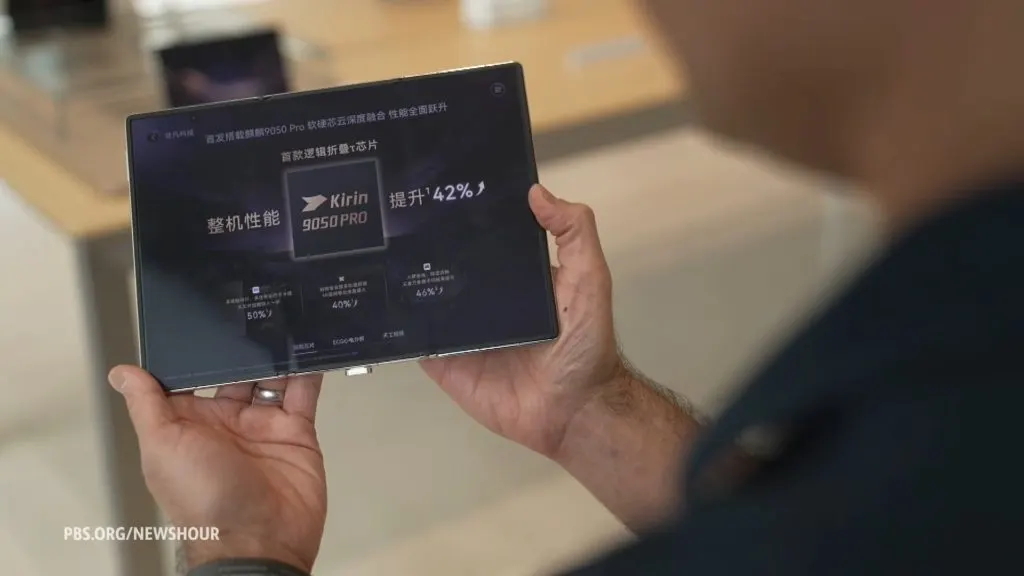
Huawei has become a leading Chinese chip and AI developer as US restrictions limit China’s access to advanced American chips and manufacturing equipment. The company’s efforts to build its own technology have become a focal point in the broader US-China contest over AI, which is shadowing President Trump’s visit to the region and planned meetings with Xi Jinping.
At Huawei’s research campus in Shenzhen, about 30,000 employees, mostly researchers, work among 108 European-style buildings. After the US blacklisted Huawei in 2019 and later imposed restrictions on advanced chips and chipmaking machines, the company designed its own chips and began combining them to improve speed and efficiency. The report also shows a Huawei phone using a new chip design intended to increase computing power despite those limits.
In short
- Huawei is building its own chips amid US export restrictions.
- The company is combining chips to improve performance.
- Technology remains a major point of US-China tension.
Steelman: both sides, in good faith
The strongest fair case each way — we don't pick a winner.
The case for
Supporters of US restrictions argue that limiting China’s access to advanced chips and manufacturing equipment can protect national security and slow the spread of technologies with potential military uses. They may also see Huawei’s efforts to develop its own chips as evidence that restrictions can spur domestic innovation while reducing reliance on a strategic competitor.
The case against
Critics argue that broad restrictions can impede scientific and commercial exchange, disrupt global supply chains and encourage China to build competing technology systems. They may also contend that restrictions have not stopped Huawei’s progress, while raising costs for businesses and making the technology contest more entrenched.
AI Asia Europe Geopolitics Government Politics Technology World