World news and discussion on TalkFuse.
A new Nepal, an old neighbour – Balendra Shah’s India test
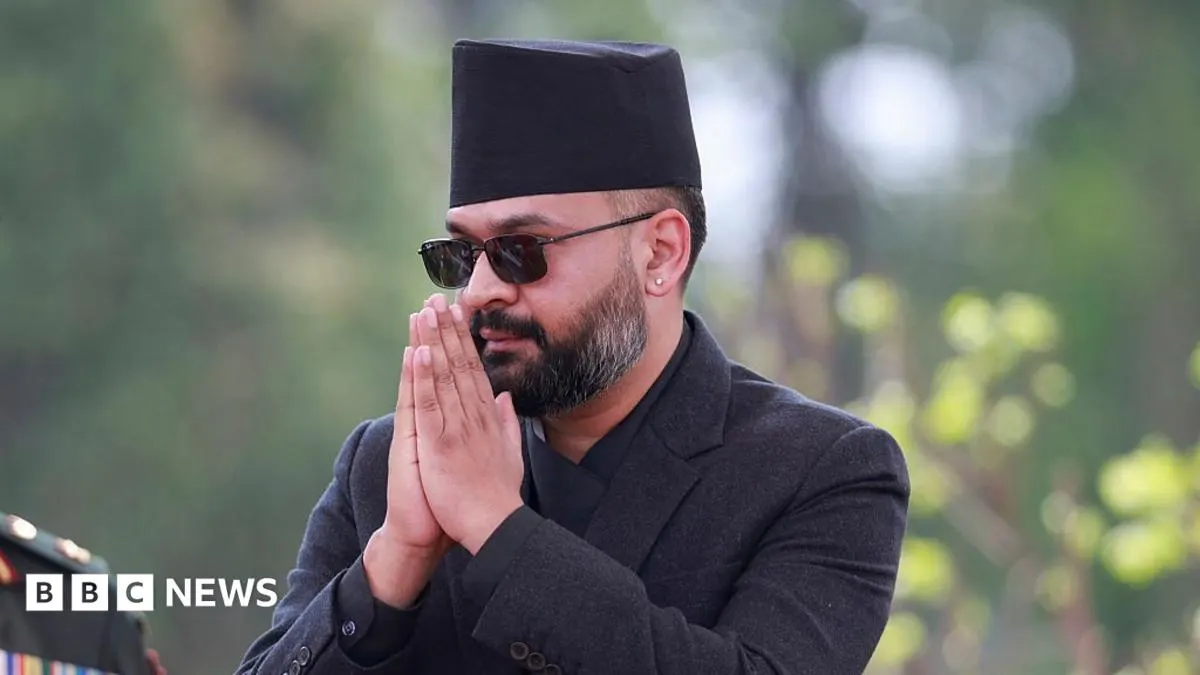
Nepalese Prime Minister Balendra Shah is visiting India for the first time since his party took power in March, raising hopes of a fresh start with Kathmandu’s most important neighbour. The visit is significant because Nepal’s new leaders say they want to prioritise development and economic partnership, while India views the country’s stability as important to its security.
Shah, 36, is due to meet Narendra Modi and other senior officials during a two-day visit, with talks expected on energy, economic ties, new air corridors and help rebuilding after August’s floods, which killed more than 1,450 people and left thousands missing. The countries share an open border over 1,750km long and trade worth more than $9bn, but relations have been strained by territorial disputes and concerns about Indian influence. India has approved imports of up to 1,200MW of Nepalese electricity, with scope to expand cooperation.
In short
- Balendra Shah’s India visit may reset strained ties.
- Talks are expected to cover energy, trade and flood recovery.
- Nepal’s trade with India exceeds $9bn.
Explained simply
Nepal is a landlocked country between India and China, and India is its largest trading partner and a major route to overseas markets. The two countries share a long, open border, so people and goods cross it with relatively few restrictions.
Nepal’s new government, led by Prime Minister Balendra Shah, says it wants to focus on development and economic ties. India sees Nepal’s stability as important to its security, while disagreements over territory and concerns about influence have at times strained relations.
Energy is one area where the countries work together: Nepal sells electricity to India, and India has agreed to buy more. Cooperation can also affect transport links, trade and Nepal’s ability to recover from disasters.