Technology news and discussion on TalkFuse.
CPS lawyer cited fictitious case in challenge over boy’s prosecution
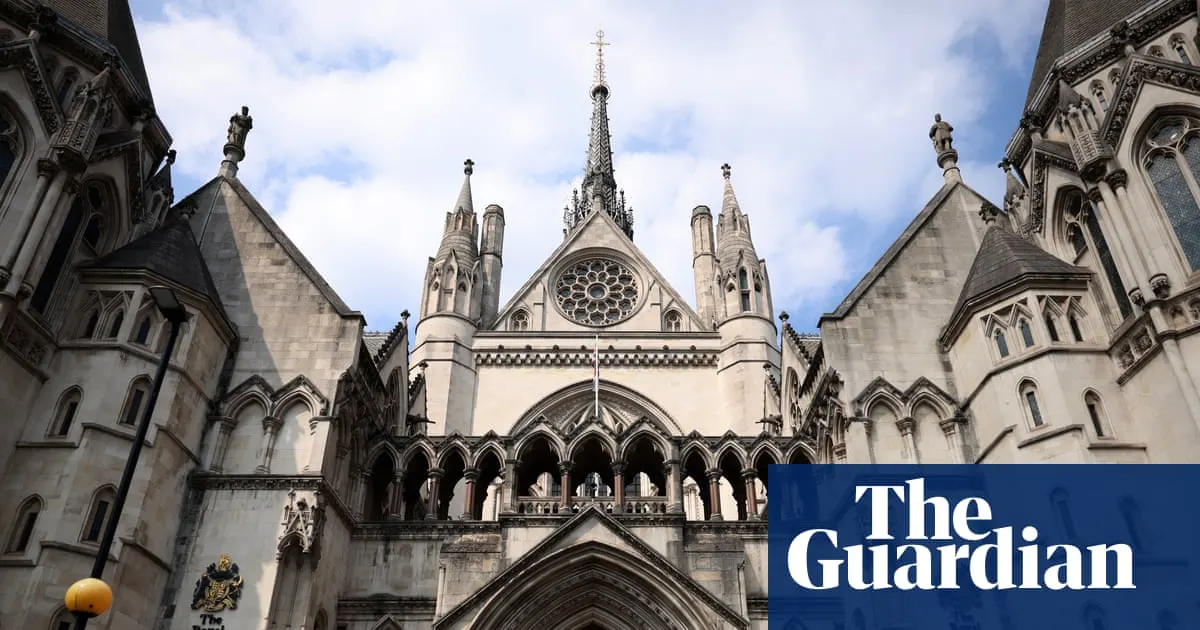
A senior Crown Prosecution Service lawyer cited a fictitious legal case while arguing that an 11-year-old boy should face prosecution over the alleged rape of his younger sister. The High Court described the reference as an error but said it did not affect the outcome of the boy’s challenge; the incident has renewed concerns about AI-generated errors in court proceedings.
The prosecutor, Ravinder Dhillon, said in October that she had meant to refer to a real decision from 15 years earlier. The Guardian understands the false citation came from an AI response during an internet search. Legal expert Brian Flanagan called the use of a nonexistent case to support prosecuting a child a “serious failure”; the boy’s case is due to go to trial in youth court later this week.
In short
- CPS prosecutor cited a nonexistent legal precedent.
- The High Court said the error did not affect the challenge’s outcome.
- The case adds to concerns about AI errors in court.
Steelman: both sides, in good faith
The strongest fair case each way — we don't pick a winner.
The case for
The citation was a serious professional error, but the High Court said it did not affect the outcome of the boy’s challenge, and the prosecutor said she intended to cite a genuine earlier decision. A fair assessment should distinguish an erroneous reference from the legal merits of prosecuting the alleged conduct, which remain for the youth court to consider.
The case against
Citing a nonexistent case in proceedings about whether an 11-year-old should be prosecuted is a serious failure, whatever its source, because courts and defendants must be able to rely on accurate legal submissions. The reported use of an AI-generated response highlights the need for lawyers to verify authorities themselves, and the error may deepen concerns about whether the boy’s prosecution has been handled with sufficient care.
Explained simply
The Crown Prosecution Service (CPS) decides whether criminal cases in England and Wales should go to court and brings prosecutions on behalf of the state. Children accused of serious offences may be tried in a youth court, which hears cases involving defendants under 18.
In court, lawyers cite earlier judgments to support their arguments, and those references need to be accurate. AI tools can produce convincing but false information, so their use in legal research has raised questions about how lawyers check what they rely on.
The case concerns an 11-year-old boy accused of raping his younger sister; an allegation is not proof of guilt. It matters because the prosecution concerns a very young child, and because accurate legal citations help judges assess arguments fairly.
Read the full article at the source →
Originally published by The Guardian as “‘A serious failure’: CPS prosecutor cites imaginary case to high court after AI search”.