Science news and discussion on TalkFuse.
A small Turkish community radio offers a rare window into environmentalism under Erdogan
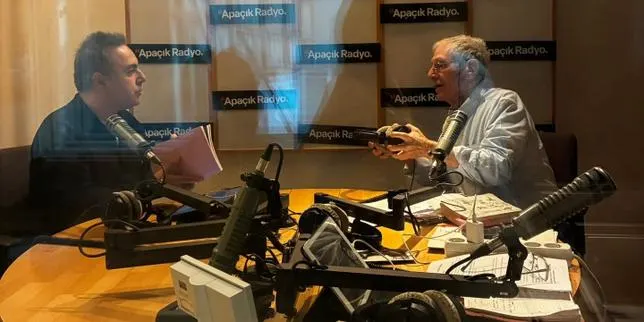
Apaçik Radyo, an Istanbul community station founded in 1995, has spent three decades bringing climate issues and environmental activism to Turkish audiences. After losing its FM frequency in 2024 over coverage of the 1915 Armenian massacres, it now broadcasts online, continuing to provide a platform for environmental voices as COP31 takes place in Antalya.
Co-founder Ömer Madra and climate activist Ümit Sahin use the station not only for programmes but also to support civic organising; in 2007, Sahin says, activists gathered 170,000 signatures backing ratification of the Kyoto Protocol. Turkey’s greenhouse gas emissions rose 4.2% in 2025, while the government supports expanding dams, mines and lignite use. The station has also helped bring younger voices into climate activism, including Atlas Sarrafoglu, who began presenting a programme at 11 and still hosts a weekly show remotely.
In short
- Istanbul’s Apaçik Radyo has championed climate awareness for 30 years.
- The station lost its FM frequency in 2024 and now broadcasts online.
- Turkey’s greenhouse gas emissions rose 4.2% in 2025.
Explained simply
Founded in Istanbul in 1995, Apaçık Radyo is a community station that gives airtime to subjects often discussed less in mainstream broadcasting. Its co-founder Ömer Madra and climate activist Ümit Sahin have used programmes to connect environmental concerns with public organising.
Turkey’s energy policy includes plans for dams and mines, as well as continued use of lignite, a polluting type of coal. Climate activists have sought to influence public debate and policy, including by gathering support for Turkey to ratify the Kyoto Protocol, an international agreement to reduce greenhouse gas emissions.
The station has also introduced younger people to climate campaigning, including presenter Atlas Sarrafoğlu, who began hosting a programme as a child. Its story offers a glimpse of how environmental groups communicate and organise in Turkey, where independent media operate amid political pressure.