Technology news and discussion on TalkFuse.
A SpaceX Falcon 9 rocket is expected to crash into the moon this August
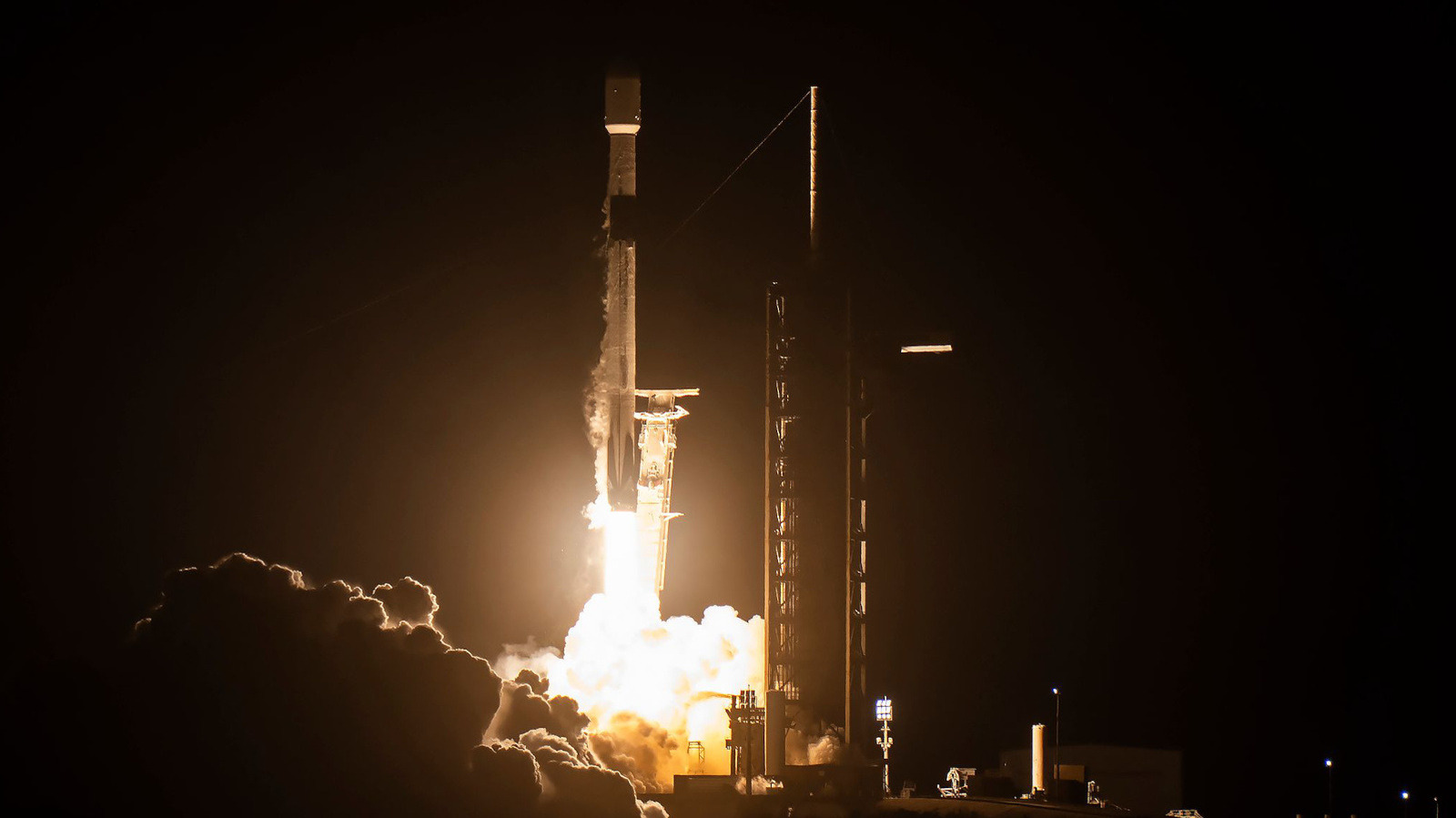
A spent Falcon 9 rocket upper stage is expected to crash into the Moon on 5 August at around 2:35am ET, near the Einstein Crater, in an event astronomers on Earth should be able to observe with ground-based telescopes. The impact was first predicted by Bill Gray, creator of the Project Pluto planetarium software, who modelled the stage's drifting orbit to forecast its eventual path into the lunar surface. It matters because the collision offers scientists a rare chance to study an artificial impact on the Moon in real time, helping researchers understand dust and plume behaviour and the wider hazards posed by space debris.
The rocket stage originally launched on 15 January 2025, carrying Firefly Aerospace's Blue Ghost lunar lander and Japan's ispace Hakuto-R lander before running out of fuel and being left stranded in space. It measures roughly 39 feet long and 13 feet wide, weighs about 4,000 kilograms, and will strike the lunar surface at approximately 5,400mph. Despite its size relative to typical natural impactors, researchers say its effect will be modest since it is a hollow shell travelling relatively slowly; visibility will be best from South America and low-to-mid latitude parts of North America, away from the West Coast, where the Moon will be higher and the sky darker at the time of impact.
In short
- Spent SpaceX Falcon 9 stage will hit the Moon on 5 August
- Stranded since a January 2025 lunar lander mission, out of fuel
- Best viewed from South America and parts of North America
Steelman: both sides, in good faith
The strongest fair case each way — we don't pick a winner.
The case for
The impact provides a valuable scientific opportunity to observe how a large artificial object interacts with the lunar surface in real time, generating crucial data about dust dynamics, impact mechanics, and regolith behaviour that will directly inform future lunar exploration and research programmes. The Moon lacks an atmosphere or ecosystem, so there are no environmental consequences, and the stage is already in orbit with no retrieval option—the impact is inevitable rather than a chosen disposal method, allowing scientists to extract genuine knowledge from what would otherwise be orbital detritus.
The case against
This incident exemplifies humanity's casual approach to polluting another celestial body, with industrial waste accumulating on the lunar surface with no long-term management plan or restoration capability. Treating the Moon as an acceptable impact zone normalises poor space stewardship and sets a dangerous precedent as spacefaring activity increases; whilst we can learn from the impact, this does not justify normalising the use of celestial bodies as waste repositories.
Explained simply
A rocket stage from a SpaceX Falcon 9 is expected to impact the Moon in August. The upper stage was launched in January 2025 carrying lunar landers, but after completing its delivery it became stranded in orbit.
Scientists view this as significant because it offers a rare opportunity to observe an artificial impact on the Moon in real time. Studying how the collision creates dust and debris could help researchers understand space debris hazards and how impacts affect the lunar surface.
The rocket stage is roughly 39 feet long and weighs about 4,000 kilograms. Astronomers with ground-based telescopes should be able to observe the impact, particularly from South America and parts of North America away from the west coast.