Delhi ends Jantar Mantar’s three-decade role as a protest site
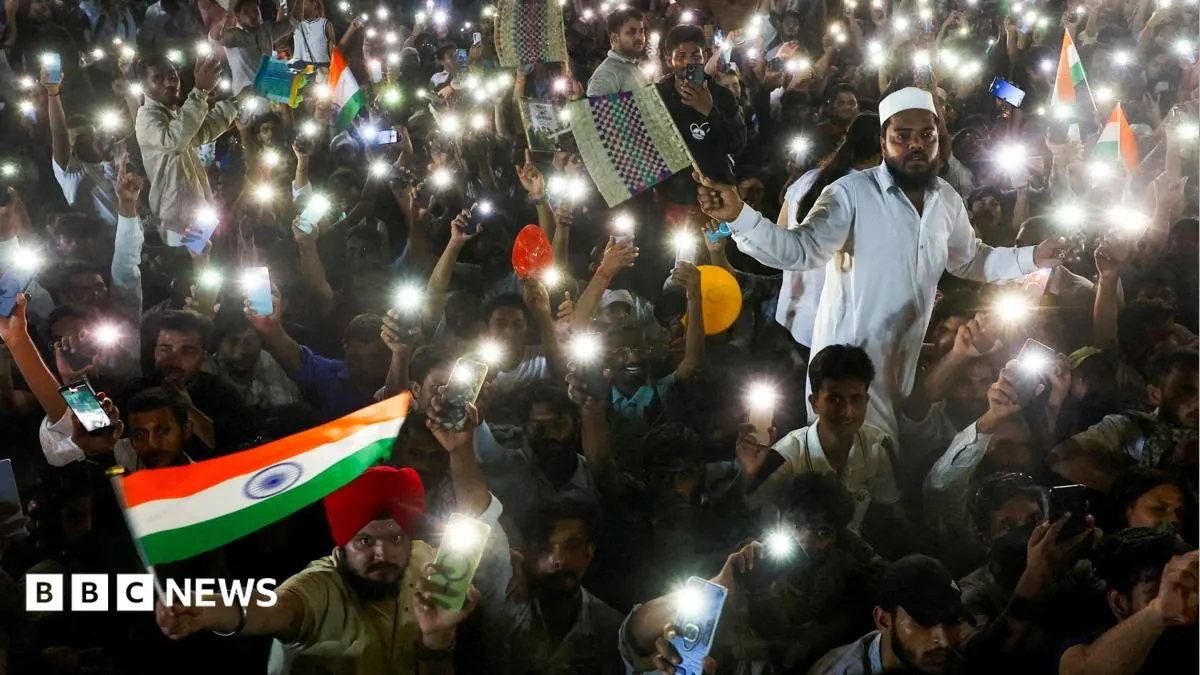
Delhi Police says Jantar Mantar will no longer be a designated protest site, ending more than three decades in which the road near parliament served as a place for Indians to press their causes. The decision follows large demonstrations by the Gen Z-led Cockroach Janta Party, after which the education minister resigned, and a police crackdown on a later march.
Police say the change follows a Supreme Court suggestion to identify alternative sites with adequate facilities. Protesters have been directed to three venues, but two are far from parliament and all charge tens of thousands of rupees a day; Ramlila Ground is also often booked months ahead. Jantar Mantar’s protest history dates to 1993, and its gatherings have included farmers, students, ex-soldiers and families seeking support after the 1984 Bhopal gas disaster.
- Jantar Mantar is no longer a designated protest site.
- The free venue had hosted demonstrations since 1993.
- Critics say replacement sites are costly and less accessible.
New here? Start with this
Jantar Mantar is a historic observatory and a road in central Delhi, close to the buildings where India’s national government meets. Since 1993, the area has also been a recognised place for public demonstrations, bringing protesters near parliament and government offices.
People from many groups have gathered there, including farmers, students, former soldiers and families affected by the 1984 Bhopal gas disaster. The site has given campaigners a visible place to raise concerns, while the authorities have had to manage public demonstrations in a busy part of the capital.
The debate over where protests can take place involves Delhi Police, the courts, government and campaigners. Alternative venues’ distance from parliament, costs and availability can affect how accessible they are to people seeking to make their views heard.
Both sides, in good faith
The strongest fair case each way — we don't pick a winner.
The case for
Police and officials can argue that directing demonstrations to designated venues with adequate facilities may help manage crowds, protect public safety and reduce disruption near parliament. The Supreme Court’s suggestion to identify alternative sites offers a basis for changing the arrangement, particularly if other locations can better accommodate large gatherings.
The case against
Protesters can argue that removing Jantar Mantar weakens a long-standing, visible way to bring public concerns close to parliament and risks making peaceful assembly harder. The alternatives may be costly, distant or unavailable, so they may not offer a practical substitute for groups with limited resources or urgent causes.
Read the full article at the source →
Originally published by BBC World as “A thousand slogans echoed here – but it could be the end for iconic Delhi protest site”.