Entertainment news and discussion on TalkFuse.
A timeline of how CBGB became the cornerstone of music evolution in the 1970s
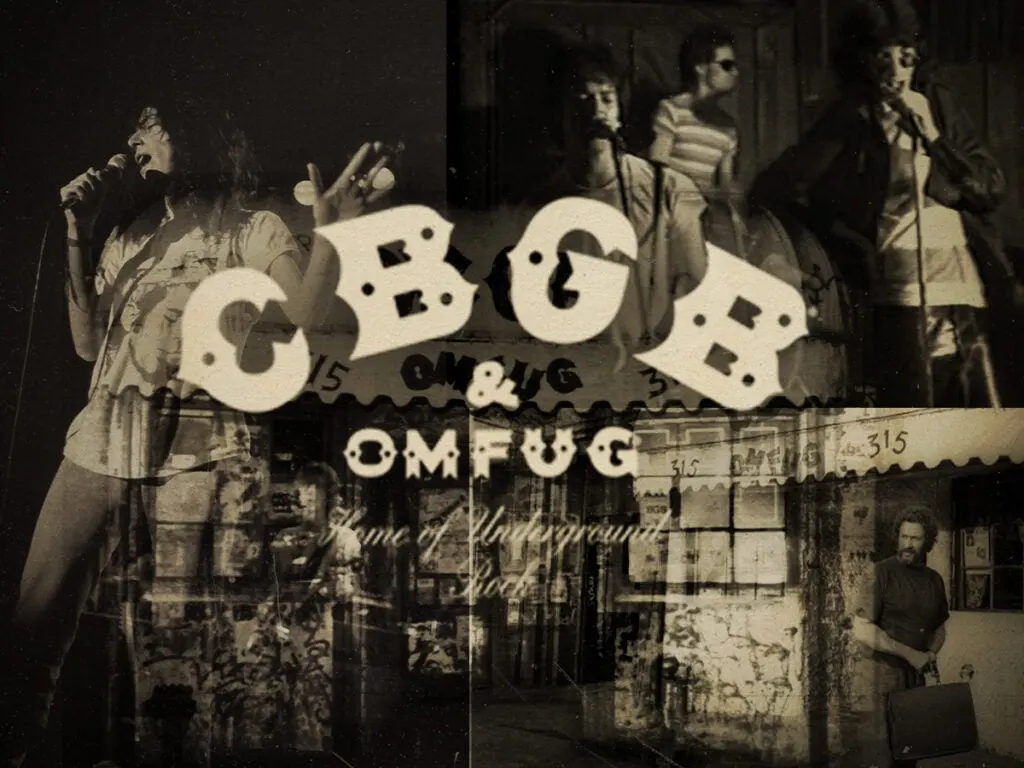
CBGB evolved from a struggling New York bar into a crucial launching point for punk, new wave and alternative music during the 1970s, providing a regular stage for emerging artists to develop distinctive sounds and audiences.
– December 1973: Hilly Kristal opens CBGB at 315 Bowery, originally intending it for country, bluegrass and blues. – May 1974: Television perform a formative early show, with the Stilettos—soon to become Blondie—supporting. – August 1974: The Ramones begin playing at the venue, helping establish its reputation as punk’s New York home. – Mid-to-late 1970s: Patti Smith, Talking Heads, Blondie and other acts make CBGB a centre for experimentation beyond straightforward punk. – The venue’s influence spreads internationally as its artists shape punk, new wave and subsequent alternative scenes.
In short
- CBGB became punk’s key New York incubator.
- Its original musical focus quickly changed.
- Major 1970s artists developed there.
Explained simply
CBGB was a music club on the Bowery, a street in Manhattan, New York. Its name stood for country, bluegrass and blues, the styles its owner, Hilly Kristal, first planned to feature when he opened it in 1973.
The club gave new bands a regular place to play and build an audience. Television, the Ramones, Patti Smith, Talking Heads and Blondie were among the acts associated with its stage; several began developing their sounds there before reaching wider audiences.
CBGB became linked to punk and new wave, styles that grew in the 1970s, and to more experimental music. The bands connected with the club went on to influence alternative music scenes beyond New York.