Amy Winehouse artefacts prompt reflection on the ethics of celebrity memorabilia
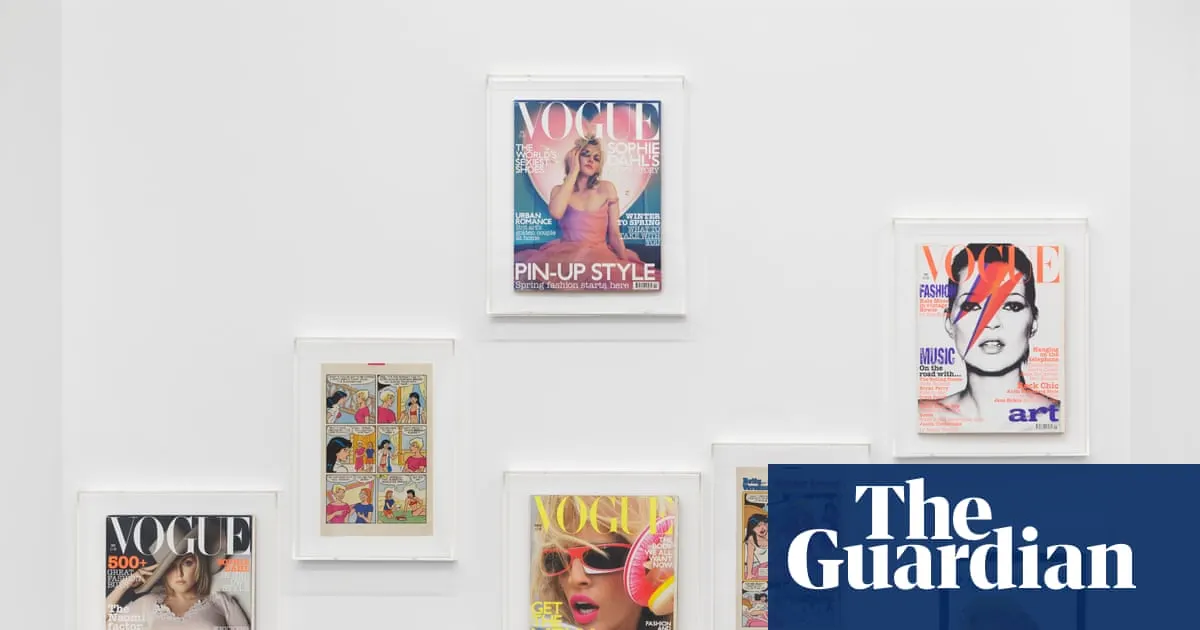
Artist Alex Margo Arden has assembled an exhibition of objects and books said to be connected to Amy Winehouse, inviting visitors to imagine the singer’s private life while also confronting the discomfort of treating a person’s belongings as celebrity memorabilia. The display combines affection for Winehouse with a critique of the public’s appetite for intimate details.
The article also highlights London exhibitions including Yuko Mohri’s installation, which turns water leaks and the Barbican’s failing infrastructure into a sound and light work. A film by Yuyan Wang considers artificial light and the loss of darkness, while the article also mentions gloopy sculptures; the supplied text ends before giving further details about that exhibition. Arden’s show is at the Nicoletta Fiorucci Foundation until 23 January 2027.
- Amy Winehouse’s belongings prompt questions about celebrity and privacy.
- Yuko Mohri turns the Barbican’s leaks into music.
- Yuyan Wang’s film explores artificial light and darkness.
New here? Start with this
Amy Winehouse was a British singer and songwriter whose distinctive voice and songs brought her international fame. She died in 2011, aged 27, and her life and music have remained the subject of public interest.
Artist Alex Margo Arden has gathered objects and books said to be linked to Winehouse for an exhibition in London. The display raises questions about how personal belongings become celebrity memorabilia, and where interest in a famous person’s life meets respect for their privacy.
Both sides, in good faith
The strongest fair case each way — we don't pick a winner.
The case for
Displaying Winehouse’s belongings can keep her artistic legacy and personal presence vivid, inviting audiences to engage with the life behind the music. If presented with care, the objects can also prompt reflection on grief, celebrity culture and why people seek intimacy with artists they admire.
The case against
Putting a person’s private possessions on public display can turn intimate parts of her life into objects for consumption, especially when she can no longer choose what to share. Even an affectionate or critical exhibition may reinforce the idea that fame makes someone’s private world public property.
Art Culture Entertainment Music
Read the full article at the source →
Originally published by The Guardian as “A tour around Amy Winehouse’s private junk: five free art exhibitions to see”.