A White House teleprompter operator reportedly won big betting on presidential speeches
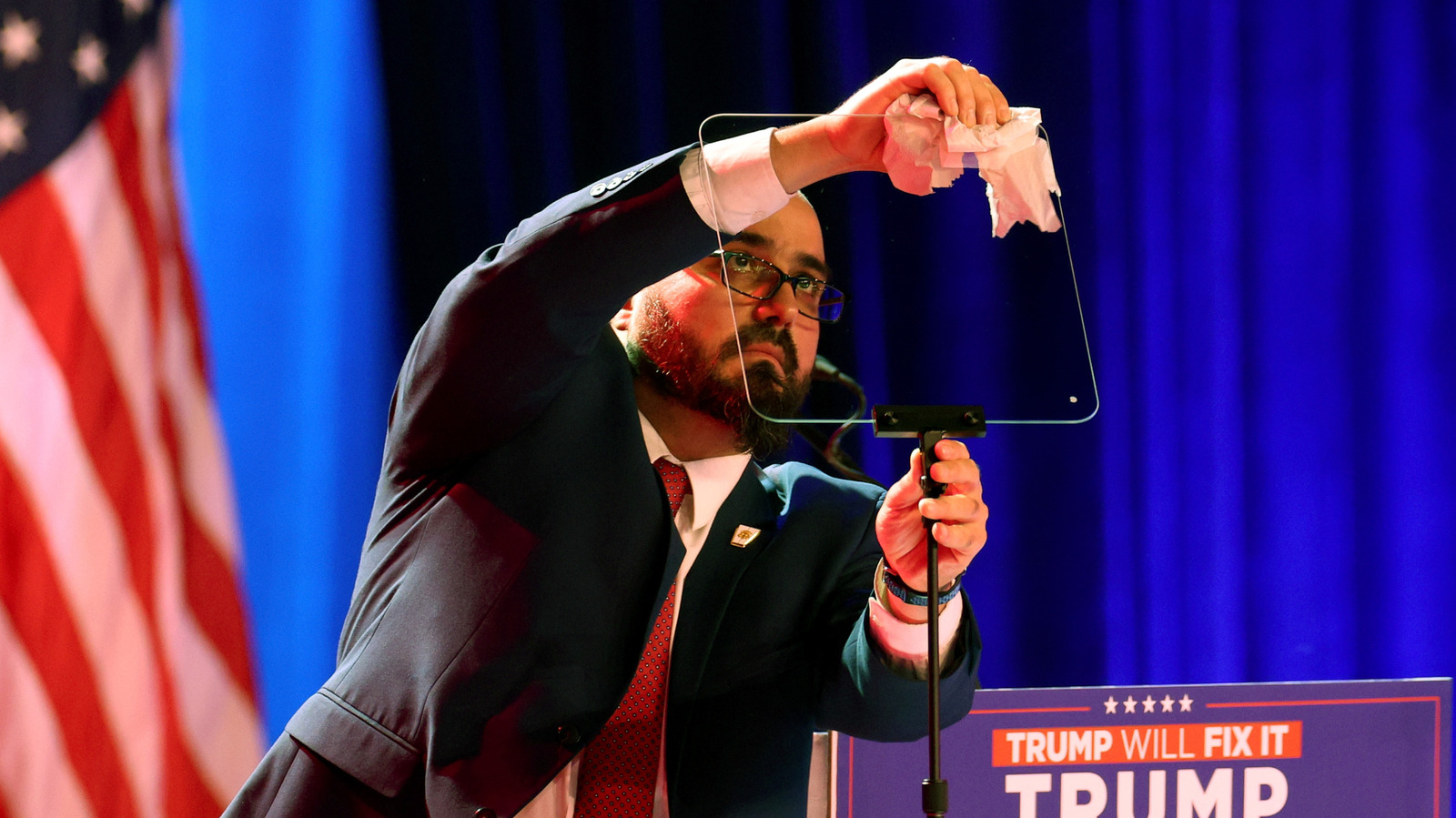
A White House teleprompter operator, Gabriel Perez, has been placed on unpaid administrative leave after reportedly betting on dozens of President Donald Trump's speeches using the prediction market platform Kalshi. His access to the President's prepared remarks gave him an apparent informational advantage, raising concerns about insider trading on a betting platform that is meant to operate on public information.
Perez is alleged to have won more than $100,000 wagering on the length of Trump's speeches, including the State of the Union address, a World Economic Forum appearance in January and a Medal of Honor ceremony in March. Suspicion grew after he reportedly withdrew certain bets whenever Trump deviated from the script, prompting Kalshi to flag the trades to the Commodity Futures Trading Commission, which is said to be willing to settle if Perez returns his winnings; he has reportedly admitted to some of the trades. White House Press Secretary Karoline Leavitt called the episode "deeply unfortunate" and a "disgrace," confirming Perez would no longer work at the White House, while Kalshi has separately introduced rules since April barring politicians and athletes from betting on their own events and requiring employment disclosures for certain trades.
In short
- Trump's teleprompter operator allegedly won $100,000+ betting on his speeches
- He reportedly cancelled bets whenever Trump went off script
- Placed on unpaid leave; CFTC may settle if winnings are returned
Steelman: both sides, in good faith
The strongest fair case each way — we don't pick a winner.
The case for
Whilst Perez's conduct may not have been advisable, insider trading frameworks designed for regulated securities markets may not appropriately apply to unregulated prediction markets. His information access stemmed from legitimate employment, and the proper response is institutional safeguards—platforms restricting employee betting, employing conflict-of-interest policies, requiring employment disclosures—rather than individual punishment. Such preventative measures better serve long-term market integrity than investigations potentially motivated by political considerations.
The case against
Perez's conduct represents a clear breach of prediction market integrity, which fundamentally depends on publicly available information. He possessed material non-public information about Trump's speeches and exploited it for substantial personal gain, as evidenced by withdrawing bets when Trump deviated from script—behaviour revealing guilty knowledge. Strong consequences are essential both to address this breach of trust and to deter other officials with access to confidential information from similar misconduct.
Explained simply
A White House teleprompter operator called Gabriel Perez has been placed on unpaid leave after allegedly using advance knowledge of President Trump's speeches to place bets on an online prediction market called Kalshi. Perez had access to the President's prepared remarks before they were delivered publicly, giving him information that other bettors did not have.
Kalshi is a platform where people can bet on real-world events, including specific details of political speeches. The platform is designed to work fairly, with all participants making bets based on the same public information. Perez allegedly used his insider knowledge to win more than $100,000, creating an unfair advantage that ordinary users could not match.
This raises concerns about the integrity of prediction markets when participants with privileged information can bet on events they have special knowledge about.