A66 Crash Tribute Sparks Political Row as Minister Defends Honouring All Seven Victims
Developed over time first seen 2 months ago
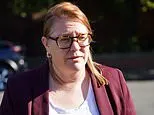
A Home Office minister has attracted criticism from senior Conservatives following her decision to pay public tribute to all seven people killed in an A66 collision, including five young men whose vehicle struck and killed two police officers. The minister cited guidance from the local police force in defending her inclusive approach to honouring the deceased across all groups affected by the tragedy.
Families of the victims are proceeding with their own commemorative plans in response. One family member has organised a memorial gathering at a public field near Peterlee, County Durham, involving off-road vehicles as a tribute to their relatives. The initiative was arranged after an earlier balloon-release plan drew public backlash, with organisers seeking a more substantial way to honour those who died.
- Home Office minister faces backlash for paying equal tribute to all seven A66 crash victims, including young men whose vehicle killed two police officers
- Local police force reportedly advised the minister's approach to the tribute
- Families organising their own memorials, including an off-road vehicle gathering at a County Durham field
New here? Start with this
The A66 is a major road in the north of England, and a serious collision on it left seven people dead. Among those killed were two police officers, who died after being struck by a vehicle carrying five young men, all of whom also lost their lives. The circumstances of the crash have made the question of how to publicly remember the victims a sensitive one.
At the centre of the row is a Home Office minister, a government official responsible for policing and related matters, who chose to publicly honour all seven people who died rather than distinguish between the officers and the other victims. This decision has drawn criticism from senior figures in the Conservative Party, the official opposition, who argue that grouping the victims together in this way is inappropriate given how the officers died. The minister has defended her approach by pointing to advice from the local police force covering the area where the crash happened.
Beyond the political disagreement, the victims' families have been organising their own ways of marking the deaths, separate from any official tribute. These efforts matter to the wider story because they show how the tragedy has affected different communities in different ways, and how attempts to remember all those who died can themselves become a source of public disagreement.
Both sides, in good faith
The strongest fair case each way — we don't pick a winner.
The case for
Supporters of the minister's approach argue that grief does not admit moral accounting: seven families have lost loved ones, and a public official's role in the immediate aftermath is to acknowledge shared loss rather than apportion blame, which is properly a matter for the police investigation and courts. They note she was following guidance from the local police force itself, the body best placed to judge what serves community cohesion in a small area where all the bereaved are neighbours. Extending sympathy to every family, they contend, does not excuse any wrongdoing and helps prevent a tragedy from hardening into further division at a moment when the community most needs to heal together.
The case against
Critics argue that publicly honouring the young men whose vehicle killed two on-duty police officers in the same breath as the officers themselves blurs an important moral distinction between victims of a crime and those responsible for causing it. They contend that ministers, especially at the Home Office, have a particular duty to visibly stand behind police officers who die in the line of duty, and that equal-seeming tribute risks being read as minimising the loss to policing and to public safety. For them, sensitivity to all bereaved families need not require identical public commemoration, and getting that balance wrong risks undermining trust between the public and the police service at a time when that trust is already fragile.
Full account
A political dispute has followed a fatal collision on the A66 in the Middlesbrough area, in which seven people died. PCs Matthew Blades, 37, and Tom Clough, 38, were travelling in a marked police response vehicle when it was involved in a crash with a Volkswagen Passat shortly before dawn. Reports said the car had been travelling on the wrong side of the road; its five occupants, described as young men, also died. The circumstances remain a matter for the investigation.
Anna Turley, Labour MP for Redcar and a Home Office minister, visited South Bank the following morning and placed flowers in memory of those killed. In a social-media message she expressed sympathy for the families and friends of all seven people, saying the community was facing an immense loss. Her wording prompted criticism from Nick Timothy, the shadow justice secretary, who argued that it did not sufficiently distinguish between the two officers and the occupants of the other vehicle.
Timothy said the officers had died while on duty and contended that the principal tragedy was their deaths. He referred to alleged previous offending and irresponsible driving by those in the Passat, while acknowledging the general reluctance to speak harshly of people who have died. Turley rejected the criticism, saying that every person killed had relatives who were grieving and that the identities of the five occupants had not been publicly known when she made her tribute. She accused Timothy of seeking political advantage from a traumatic local event.
The reports also describe continuing grief around the five young men. One, Michael Cahill, 23, was commemorated at a South Bank vigil, while his mother proposed a separate balloon release in Peterlee and invited mourners to bring vehicles including bikes, jeeps and quads. That proposal reportedly concerned some residents because of the location and the prospect of a large vehicle gathering. The crash has therefore generated both public mourning and a wider argument about language, responsibility and how victims of a single fatal incident should be remembered.
Where outlets differ
The first report centres on the exchange between Turley and Timothy, presenting it as a dispute over whether tribute should be paid collectively to all seven victims. The second focuses instead on memorial arrangements for Michael Cahill, local concerns about a proposed gathering in Peterlee, and video said to show previous dangerous driving. Both reports describe the collision and the deaths, but they give substantially different weight to the political reaction and to events surrounding the mourning of one of the car’s occupants.
Coverage
- Daily Mail — Home Office minister accused of putting A66 joyriders ‘on a par’ with dead police officers in crash tribute – but claims local force told her to do so
- Daily Mail — ‘Let’s give him the send off he deserves’: Mother of A66 crash youth urges friends to arrive at field in off-road vehicles in tribute – after backlash over balloon release