Video games news, releases, esports and culture — all the biggest gaming stories in one place.
‘AAA publishers are abusing early access,’ Denis Dyack says, and that’s making things harder for everyone else
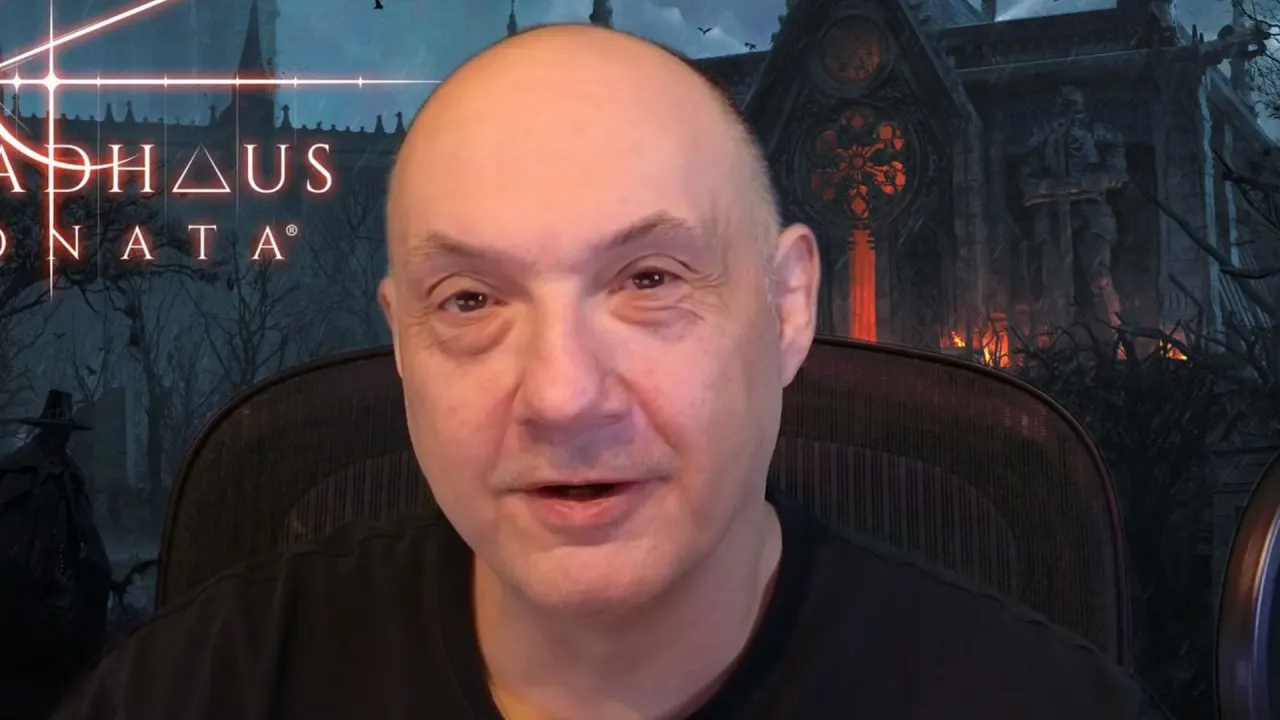
Denis Dyack says major publishers are using Steam Early Access to market polished games that are close to release, changing what players expect from the label. He argues this makes it harder for smaller independent developers, who may use Early Access to gather feedback and finish less polished games.
Dyack points to Subnautica 2 and Path of Exile as examples shaping expectations, while Deadhaus Sonata’s creative director says players compare all games in the same marketplace. Subnautica 2 creative director Anthony Gallegos says Early Access now covers both long-term development and paid beta launches, making its meaning less clear. Dyack acknowledged his studio’s own launch missed basics such as performance, Unreal Engine setup and explaining the game; his advice is to treat Early Access like a full launch.
In short
- Dyack says polished big-budget releases raise expectations for Early Access.
- Indie teams face tougher comparisons in the same marketplace.
- Deadhaus Sonata’s team says launch basics and clear communication matter.
Steelman: both sides, in good faith
The strongest fair case each way — we don't pick a winner.
The case for
Early Access can help smaller studios fund development, gather feedback and improve a game with players’ help. When major publishers use the label for polished titles close to release, players may come to expect that level of finish from every Early Access game, making it harder for less resourced teams to attract interest and patience. Clearer expectations could preserve the label’s value for experimental, longer-term development.
The case against
Early Access has come to cover different models, from unfinished games developed with community feedback to paid launches of near-complete titles, so varied uses need not be inherently abusive. Players compare games in the same marketplace and reasonably expect basic performance, clear communication and an explanation of what they are buying, whatever the developer’s size. Dyack’s account of his own launch suggests that poor preparation can also damage trust, independent of publishers’ influence on expectations.
Explained simply
Steam Early Access lets developers sell a game while it is still being made, so players can try it and offer feedback before its full release. It has been used by small independent studios to fund development and improve games over time, but the games can be unfinished or rough around the edges.
Large publishers and independent studios now use the same Steam marketplace, where players may compare their games side by side. Subnautica 2 and Path of Exile are examples of games associated with Early Access, while Deadhaus Sonata is an independent project led by creative director Denis Dyack.
The label can cover games at very different stages, from early development to a polished version close to release. That makes it harder for players to know what to expect, and can affect how they judge smaller studios whose games need more time and feedback.