ABC accuses FCC of ‘retaliation’ as federal agency threatens to revoke Disney’s broadcasting licenses
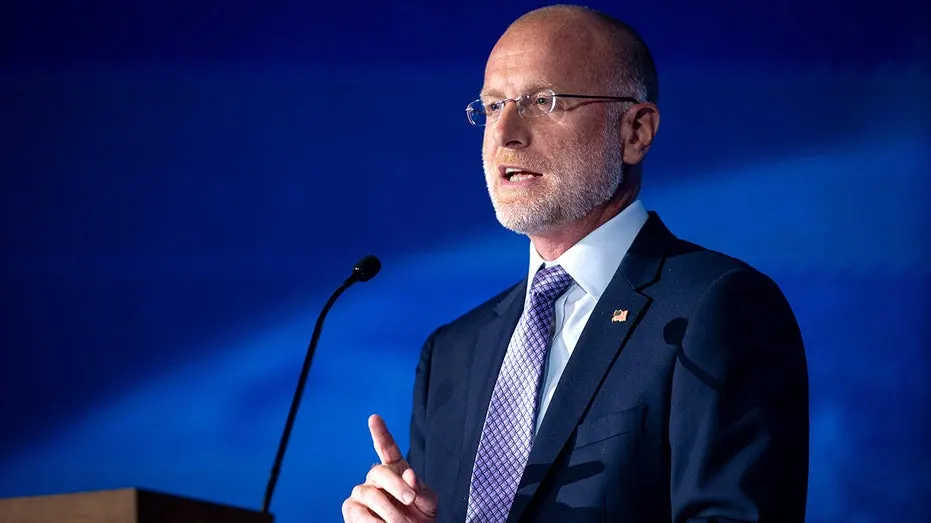
ABC has filed a strongly worded response with the Federal Communications Commission opposing petitions that could affect the renewal of Disney’s broadcasting licences. The network argues that the review amounts to retaliation by the Trump administration, raising questions about regulatory independence and the relationship between political power and broadcast oversight.
The dispute concerns FCC petitions targeting Disney-owned broadcast licences, while ABC maintains that any action against them is politically motivated. FCC Chair Brendan Carr has said broadcasters must operate in the public interest, including by carrying significant presidential addresses, but the supplied article text does not set out the full legal arguments or the specific licences at issue.
In short
- ABC calls the FCC review political retaliation.
- Disney broadcasting licences face possible regulatory action.
- FCC cites broadcasters’ public-interest obligations.
Steelman: both sides, in good faith
The strongest fair case each way — we don't pick a winner.
The case for
ABC’s strongest case is that broadcasting licences should be reviewed under consistent, evidence-based standards, not used to punish a network for its coverage or editorial choices. If the petitions are linked to political displeasure, that could undermine regulatory independence and chill journalism beyond Disney, even where the FCC has legitimate public-interest responsibilities.
The case against
The FCC’s strongest case is that broadcast licences carry public-interest obligations and may be subject to scrutiny when regulators receive petitions raising concerns about compliance. Reviewing those petitions can be a routine exercise of oversight rather than retaliation, provided the agency applies established legal standards and bases any action on evidence rather than political pressure.
Explained simply
Broadcasting companies in the United States must obtain licences from the Federal Communications Commission, the government agency that regulates radio and television. These licences must be renewed periodically, and the FCC can refuse to renew them if it believes a broadcaster is not serving the public interest. Disney owns several major broadcast television stations through its ABC network, making these licence renewals significant.
ABC has opposed petitions at the FCC that could affect whether Disney's broadcast licences are renewed. ABC argues that the review process is retaliation by the Trump administration, suggesting the action is politically motivated rather than based on genuine public interest concerns. The FCC has stated that broadcasters must operate in the public interest, which includes carrying important presidential addresses.
The dispute raises questions about regulatory independence. If broadcasters worry their licences could be threatened for political reasons, this might influence their editorial decisions. The situation highlights the broader issue of how government regulators and the companies they oversee interact.