ABC sues FCC over what it calls politically motivated pressure
Developed over time first seen 2 months ago
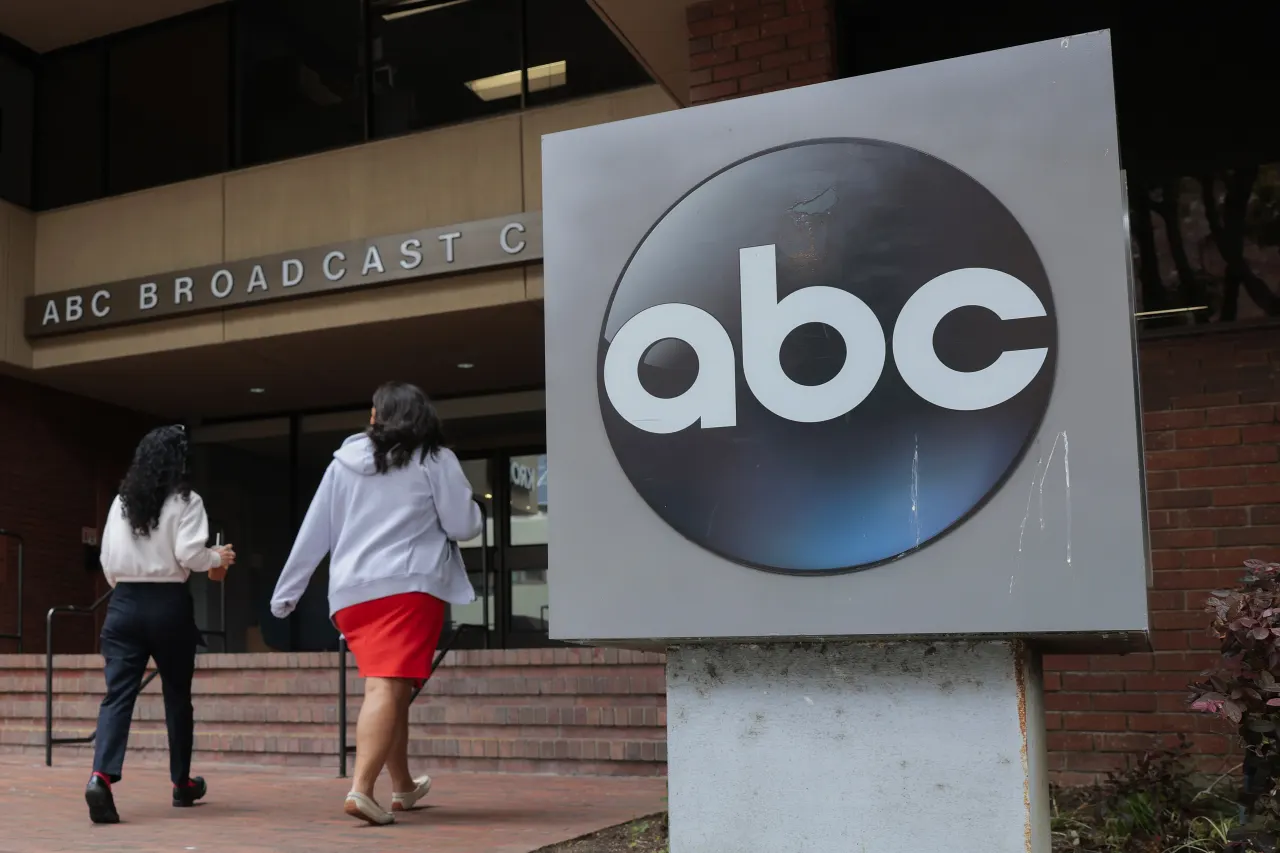
Disney's ABC has filed a First Amendment lawsuit against the Federal Communications Commission, bringing to a head months of confrontation with the regulator over what the broadcaster calls politically motivated pressure. ABC's lawyers argued the company was being punished for its editorial decisions and news coverage, saying it had "no alternative means to eliminate these ongoing and immediate threats other than total capitulation" to the Trump administration's demands, which they said had escalated into explicit threats to strip ABC of its broadcast licences. The network also sought a temporary restraining order and a preliminary injunction against the FCC's renewal efforts.
The dispute originated with the FCC, chaired by Brendan Carr, ordering Disney to file early renewal applications for ABC's eight owned-and-operated stations years ahead of schedule, applications Disney said it filed "under protest" against an order it deemed unlawful and unconstitutional. Friction had built over Trump administration objections to Jimmy Kimmel's late-night monologues and commentary on "The View", the latter also facing an FCC probe into possible "equal-time" election law violations after Democratic Senate candidate James Talarico appeared on the show in February. Newly appointed Disney chief executive Josh D'Amaro had signalled the company was prepared to fight, telling CNBC it would "stand up" for journalistic integrity and would not be dictated to on editorial matters.
- ABC sued the FCC, alleging politically motivated pressure over its licences
- Dispute followed forced early station renewals and rows over Kimmel, "The View"
- Disney CEO Josh D'Amaro vowed to defend the network's editorial independence
New here? Start with this
Disney's ABC television network and the US media regulator, the Federal Communications Commission (FCC), are locked in a legal battle over claims that the government has been pressuring the broadcaster because of its news and entertainment content. ABC has now sued the FCC directly, arguing the pressure breaches its free speech rights under the First Amendment, the part of the US Constitution that protects freedom of expression.
The dispute has been building for months. It touches on the FCC's power to license local television stations, which it can in theory revoke, and follows criticism from the Trump administration over material aired by ABC, including Jimmy Kimmel's late-night show and the talk show "The View". Brendan Carr, the FCC chairman, ordered Disney to file early renewal applications for several ABC stations, a move ABC says was politically motivated rather than routine.
The case matters because it raises broader questions about how much influence a government regulator can exert over what broadcasters air. Media companies, press freedom advocates and government officials will be watching closely, since the outcome could affect how television networks operate under regulatory scrutiny more generally.
Both sides, in good faith
The strongest fair case each way — we don't pick a winner.
The case for
Advocates for ABC's position argue that a free press must be able to make editorial judgments about news coverage and late-night commentary without fear that a government regulator will use its licensing power as leverage. They see the timing of the early renewal demands, coming amid explicit criticism of Kimmel's monologues and The View's guests, as evidence that regulatory tools are being wielded to punish disfavoured speech rather than for genuine broadcast-standards reasons, which they regard as precisely the kind of government coercion the First Amendment was designed to prevent. On this view, broadcasters should not have to choose between capitulating editorially and risking their licences.
The case against
Those sympathetic to the FCC's position would argue that the agency has a legitimate statutory role in overseeing broadcast licensing, including equal-time rules designed to keep the airwaves fair to competing political candidates, and that reviewing licence renewals or investigating a specific complaint is not inherently retaliatory. They would contend that broadcasters occupy a privileged position using public airwaves and accept certain regulatory obligations in exchange, so scrutiny of compliance, even scrutiny that follows public controversy, is not automatically evidence of political motive and deserves to be assessed on its regulatory merits rather than assumed to be censorship.
More coverage
Business Companies Government Offbeat Politics Weird & Viral
Read the full article at the source →
Originally published by Variety as “ABC Files First Amendment Lawsuit Against FCC”.