Abdul El-Sayed grows agitated with reporter after being pressed on family’s alleged Muslim Brotherhood ties
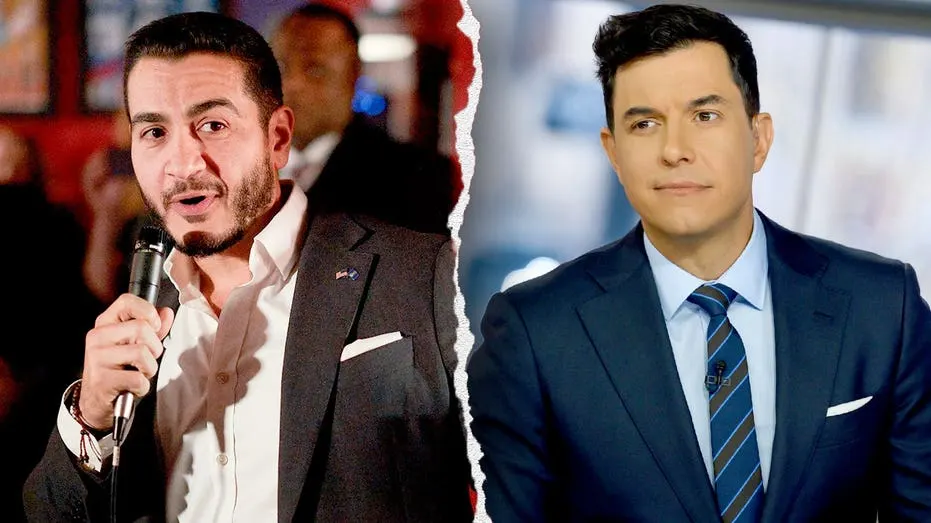
Abdul El-Sayed, a Democratic candidate for the US Senate in Michigan, had a tense exchange with NBC anchor Tom Llamas after being asked about claims that his family had ties to the Muslim Brotherhood. El-Sayed has denied any family connection, while his half-sister’s old social media posts have prompted renewed scrutiny of his answer.
The posts by Eman Abdelhadi said their mother was active in the group in Egypt in the early 1970s and that her family had long supported it. El-Sayed said he had not discussed his mother’s alleged activity with her, challenged the posts as hearsay and denied lying. His campaign has described the accusations as racist and untrue; the article says his Republican opponent is Mike Rogers.
- El-Sayed denied family ties to the Muslim Brotherhood.
- His half-sister’s old posts describe their mother’s alleged involvement.
- He challenged NBC’s questions and called the claims hearsay.
New here? Start with this
Abdul El-Sayed is a Democrat running for the US Senate in Michigan, a state in the American Midwest. The Senate is one of the two chambers of the US Congress, which makes federal laws and scrutinises the government.
The Muslim Brotherhood is an Islamist movement founded in Egypt in 1928. It has had political and social influence in several countries, and governments have treated it differently; discussion of alleged links can carry political weight, particularly for Muslim candidates.
El-Sayed’s family background has become part of scrutiny of his campaign, alongside his Republican opponent, Mike Rogers. Claims about a relative’s past and a candidate’s own knowledge of it are separate questions, and the family has denied a connection.
Both sides, in good faith
The strongest fair case each way — we don't pick a winner.
The case for
Voters can reasonably expect a Senate candidate to answer direct questions about claims involving close family, particularly when a relative’s posts appear to support those claims. El-Sayed’s denial and his challenge to the posts as hearsay may leave some voters wanting clearer evidence or explanation before they accept his account.
The case against
The posts describe alleged activity decades ago and do not, on their own, establish either his mother’s involvement or any connection by El-Sayed himself. He says he has not discussed the allegation with his mother and denies lying, so treating the claims as proof or pressing him as though they were established facts risks unfairly burdening him with unverified family history.