Politics news and discussion on TalkFuse.
Abdul El-Sayed used victory speech to taunt ‘enemies’ rather than heal divisions after ugly campaign: body language expert
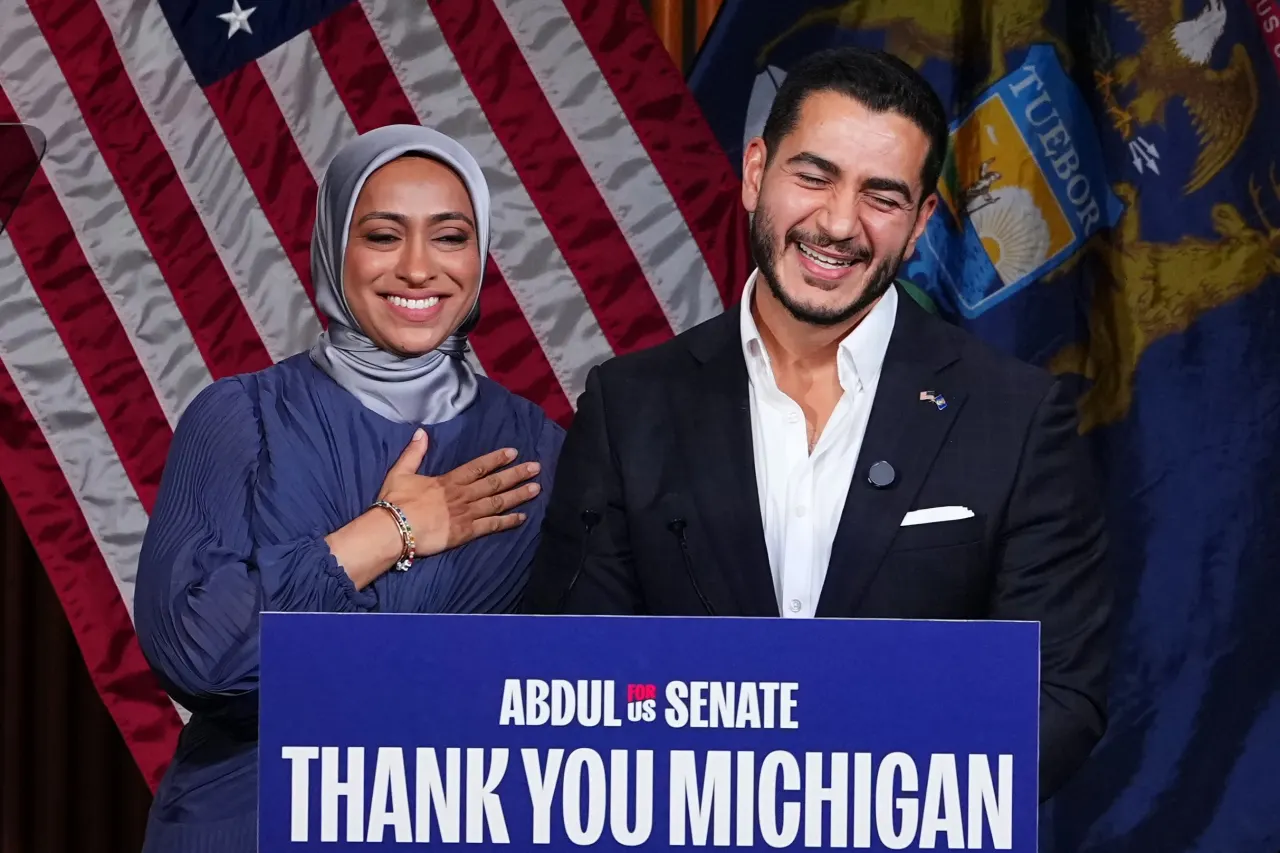
Michigan Sen.-elect Abdul El-Sayed celebrated his win over Republican Mike Rogers with a speech that began joyfully but included pointed attacks on President Trump and other critics. A body language expert said the address shifted from celebration towards a declaration of victory over perceived enemies, rather than an effort to heal political divisions.
El-Sayed said he had faced attacks linked to his Muslim faith and Egyptian background, and criticised attempts to cast doubt on his patriotism. He referred to Trump’s use of his middle name, addressed Vice-President JD Vance, who is due to swear him in, and used the Arabic expressions “Inshallah” and “Alhamdulillah”. His win makes him the first Muslim senator and came amid broader Democratic gains in the midterm elections.
In short
- El-Sayed won Michigan’s Senate race and will become the first Muslim senator.
- A body language expert said his victory speech grew combative.
- He cited attacks on his faith and background during the campaign.
Steelman: both sides, in good faith
The strongest fair case each way — we don't pick a winner.
The case for
El-Sayed’s pointed remarks can be seen as a justified response to attacks on his faith, background and patriotism. By naming those attacks and celebrating openly as a Muslim American, he may have aimed to affirm that such criticism would not silence him or his supporters.
The case against
A victory speech can also be an opportunity to lower tensions and recognise voters beyond one’s own coalition. Critics may reasonably argue that directing taunts at political opponents risks extending the campaign’s hostility, rather than offering a more inclusive message after the result.
Explained simply
Michigan’s Senate seat represents the state in the US Congress, where senators serve six-year terms and vote on national laws. Abdul El-Sayed, a Democrat and the son of Egyptian immigrants, won the seat from Republican Mike Rogers. His election makes him the first Muslim elected to the US Senate.
The campaign included disputes over El-Sayed’s Muslim faith, Egyptian background and patriotism. Donald Trump referred to him by his middle name, and El-Sayed has said he faced attacks linked to his identity. These issues form the context for his remarks about critics and political divisions.