World news and discussion on TalkFuse.
El-Sayed’s win exposes voter divide over US support for Israel
Developing story first seen 4 hours ago
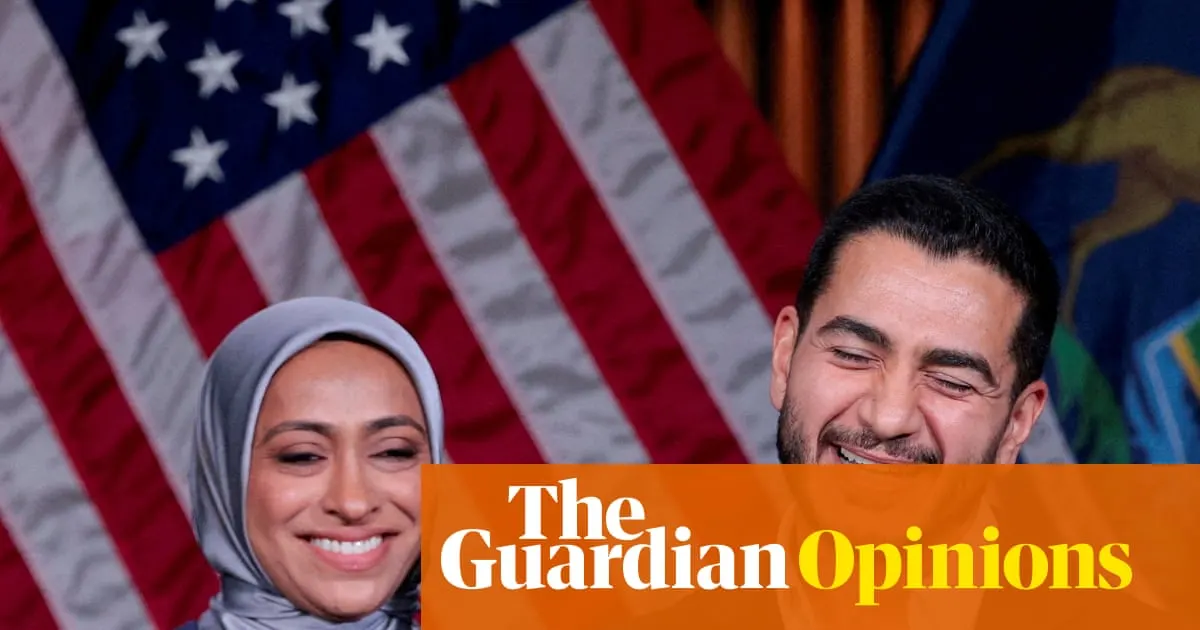
New coverage develops the argument that Abdul El-Sayed’s Michigan Senate victory exposes a divide over Israel policy between wealthy political interests and ordinary voters. The article says his criticism of Israel was not the electoral liability commentators had suggested: he won voters who prioritised the issue by an even larger margin than his overall margin.
The author links this divide to pro-Israel campaign funding, media ownership, campus disputes over divestment and generational differences among American Jews. It argues that support for Israel hurt Kamala Harris in 2024, while Republicans now face an unpopular war despite their financial advantage. The piece suggests that populists critical of Aipac could challenge establishment-backed candidates in both parties in 2028.
- Sources
- 2
- Outlets
- 2
- Left · Centre · Right
- 1 · 0 · 1
In short
- El-Sayed’s win challenges claims that criticism of Israel is electorally damaging.
- The article frames the divide as wealthy interests versus ordinary voters.
- Both parties may face Aipac-critical populists in 2028.
How this story developed
- 32 minutes ago The account now frames that divide chiefly around economic interests rather than party allegiance, while linking it to campus disputes, generational change and possible populist challenges to establishment candidates in 2028.
- 39 minutes ago Abdul El-Sayed’s Michigan Senate victory is presented as evidence that criticism of Israel did not cost him votes, sharpening a divide between ordinary voters and wealthy pro-Israel political interests.
Where outlets differ
Left-leaning outlets 1
Only here: exposes, voter, divide, support, israel
Right-leaning outlets 1
Only here: whoopi, goldberg, putty, abdul, hands
Every side used: sayed
Headline columns compared word for word; nothing in them is AI-written.
Steelman: both sides, in good faith
The strongest fair case each way — we don't pick a winner.
The case for
The article’s argument is that opposition to US military aid and weapons sales to Israel has a broad economic and generational base that party labels and donor influence can obscure. On this view, voters who prioritise domestic needs may see the aid as a poor use of public resources, and candidates who challenge well-funded pro-Israel lobbying could give that discontent a political voice.
The case against
A different interpretation is that views on Israel reflect a mix of security, diplomatic and moral concerns that cannot be reduced to economic interests or donor influence. Supporters of aid may argue it strengthens an ally and advances US interests, while the article’s claims about voter motives, media coverage and the effect on past elections may be difficult to establish from one candidate’s victory or broad trends alone.
Explained simply
Israel is a close US ally, and American governments have long provided it with military aid and diplomatic support. Views on that relationship differ: some voters stress Israel’s security, while others focus on Palestinian rights and the impact of Israeli military action.
Aipac is a pro-Israel advocacy group that raises money and supports candidates who back a strong US-Israel relationship. Campaign spending, media coverage and university debates over divestment have all become part of wider arguments about who shapes policy and public opinion.
American Jews, like other voters, hold a range of views, and surveys have found differences between older and younger generations. These debates matter to candidates because views on Israel can affect how some voters assess them, alongside other concerns such as the economy and healthcare.
Coverage · 2 sources
Bias meters
From 2 rated sources.
Americas Government Middle East Politics World
Read the full article at the source →
Originally published by The Guardian as “Abdul El-Sayed’s victory has laid bare a truth about America’s view on Israel | Peter Beinart”.