Academics call on Congress to restore agency independence after Trump v. Slaughter
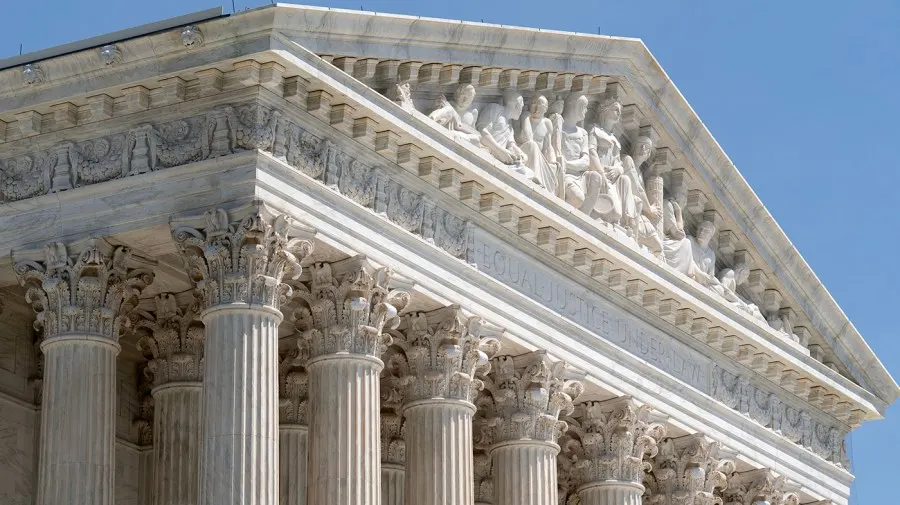
Legal academics are urging Congress to rebuild safeguards for independent federal agencies after the US Supreme Court’s decision in *Trump v. Slaughter*. The ruling allows presidents to dismiss leaders of agencies such as the Federal Trade Commission more freely, weakening a longstanding model designed to insulate regulatory decisions from direct White House control; the scholars argue Congress should respond through legislation.
The case arose from President Trump’s 2025 dismissal of FTC commissioner Rebecca Slaughter, despite a law allowing removal only for specified misconduct or incapacity. In a 6–3 decision on 29 June, the Court overturned the 91-year-old *Humphrey’s Executor* precedent, potentially affecting numerous bipartisan commissions; supporters say it strengthens presidential accountability, while critics warn it makes regulators more vulnerable to political pressure.
In short
- Supreme Court expanded presidential power over independent agencies.
- Academics want Congress to restore institutional safeguards.
- The ruling overturned a 91-year-old precedent.
Steelman: both sides, in good faith
The strongest fair case each way — we don't pick a winner.
The case for
Those supporting the Court's decision argue that a President must be able to direct the executive branch's policy agenda, as the Constitution vests executive power in the President. Without removal authority over agency heads, presidents become figureheads unable to implement the mandate voters gave them, whilst unaccountable bureaucrats can frustrate lawful policy goals. Strong presidential control, subject to electoral accountability, is preferable to insulating officials from democratic oversight.
The case against
Defenders of agency independence contend that Congress created these structures deliberately to shield critical regulatory decisions—on consumer protection, competition, and securities—from ephemeral political pressure and ensure they serve the public interest rather than partisan objectives. Restoring insulation through legislation would preserve the bipartisan commission model that encourages stability and moderation, preventing regulatory policy from swinging radically between administrations and protecting both regulated industries and the public from destabilising shifts in enforcement philosophy.
Explained simply
The United States Supreme Court has fundamentally changed how much control presidents have over independent federal agencies. The 6–3 ruling in Trump v. Slaughter, decided in June 2026, overturned a 91-year-old legal rule that had protected agency leaders from dismissal at will by the president. This matters because agencies like the Federal Trade Commission are supposed to make regulatory decisions free from direct political pressure from the White House.
The case arose when President Trump dismissed Rebecca Slaughter, a commissioner at the Federal Trade Commission, in 2025. Federal law had required that such officials could only be removed for specified misconduct or incapacity, but the Supreme Court ruled that presidents should have broad power to dismiss them. The decision overturned protection that had been in place since 1935.
The ruling has sparked debate about the proper balance between presidential control and agency independence. Supporters argue it strengthens presidential accountability by giving elected leaders direct control over their administrations, whilst critics warn that it leaves regulators vulnerable to political pressure and undermines impartial decision-making. In response, legal academics have called on Congress to restore protections for agency independence.