Technology news and discussion on TalkFuse.
Activision patents AI voice system that learns from in-game chat and creates audio for NPCs who can even speak in place of you
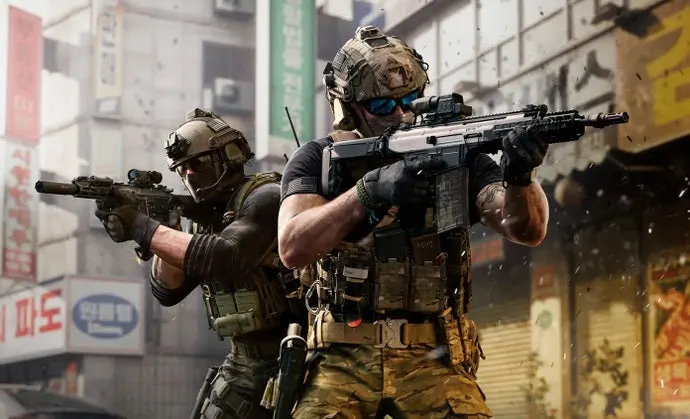
Activision has filed a patent for an AI system that learns how players react during multiplayer games and uses that information to generate voice lines for non-player characters (NPCs). It could make in-game characters sound more responsive and varied than those relying on a fixed set of recordings, while raising questions about how players’ voice chat might be used.
Filed in July and published in November, the patent describes recording chat around gameplay events such as kills, deaths and longshots, then linking reactions to those events so the system can generate relevant lines. It says the system could profile players to match their language, filter out offensive terms, and potentially draw on communications from apps such as Discord. Generated voices could replace generic messages for players without microphones or be used by avatars, though a patent filing does not confirm that the system will appear in a game.
In short
- Activision patented AI-generated NPC voice lines based on player reactions.
- The system could analyse chat around kills, deaths and other events.
- The patent mentions Discord, language matching and offensive-language filters.
Steelman: both sides, in good faith
The strongest fair case each way — we don't pick a winner.
The case for
A system that learns from gameplay reactions could make NPCs feel more responsive and make multiplayer worlds more engaging than those limited to fixed recordings. If designed with clear consent, safeguards and limits on data use, it could also offer players without microphones a more personalised way to interact.
The case against
Using voice chat to profile players and generate dialogue raises concerns about privacy, consent and control over how their communications are repurposed, especially if data from third-party apps is involved. Even with offensive terms filtered, generated speech could misrepresent players or create new moderation risks, so the possible gains may not justify deployment without strong protections.
AI Entertainment Gaming Technology