World news and discussion on TalkFuse.
Activision serves cease and desist to infamous Call of Duty cheat maker—and films the whole thing: ‘We will find you’
Developed over time first seen 2 months ago
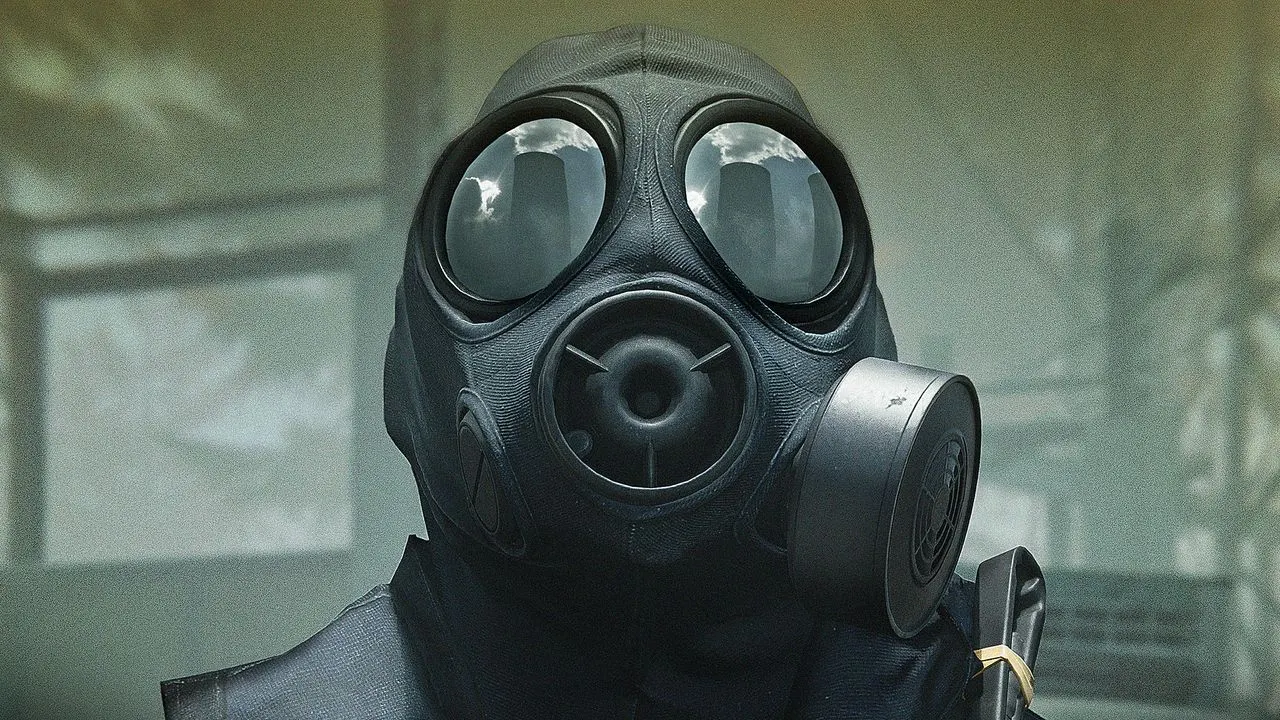
Activision has publicly served a cease-and-desist notice on Elocarry, a well-known seller of Call of Duty cheats, filming the encounter and releasing the footage as part of a wider crackdown on cheat makers. The video, in which Activision staff tell Elocarry "we will find you", was designed both to halt his alleged cheat sales and to serve as a public warning to other sellers that the publisher intends to pursue them both legally and visibly.
The brief exchange took place at Elocarry's home in Ohio and was reportedly civil, though he later said he had paused sales while reviewing the situation. Activision said the confrontation forms part of a broader enforcement effort that has so far produced 80 cease-and-desist letters, disrupted 375 reseller operations and shut down 30 vendors, and it pointed to a recent Modern Warfare 4 beta showing lower cheating rates as evidence its harder-to-evade hardware-level anti-cheat measures are working.
- Sources
- 2
- Outlets
- 2
- Left · Centre · Right
- 0 · 0 · 0
In short
- Activision filmed itself serving a cheat seller with a cease-and-desist
- Elocarry, targeted in Ohio, says he's paused sales for now
- Part of a crackdown: 80 letters sent, 375 resellers disrupted, 30 shut down
How this story developed
- 2 months ago Activision has publicly served a cease-and-desist notice on Elocarry, a well-known seller of Call of Duty cheats, filming the encounter and releasing the footage as part of a wider crackdown on cheat makers.
- 2 months ago Activision has publicly served a cease-and-desist order on Elocarry, a maker of Call of Duty cheats, filming the delivery and posting it online.
- 2 months ago Activision has publicly served a cease-and-desist notice on Elocarry, a well-known seller of Call of Duty cheats, filming the encounter and releasing the footage as part of a wider crackdown on cheat makers.
Steelman: both sides, in good faith
The strongest fair case each way — we don't pick a winner.
The case for
Activision faces a genuine problem that harms millions of legitimate players whose competitive experience and purchased experience are degraded by cheaters. Traditional enforcement—cease-and-desist letters and account bans—has proven insufficient against a criminal industry that constantly evolves new variants to evade detection. The public enforcement action appears effective: 375 reseller operations disrupted, 30 vendors shut down, and measurable cheating reductions in recent betas. Without visible consequences, cheat sellers have little incentive to cease operations, as the profit motive outweighs legal threats. Proportionate public enforcement communicates credibly to a global criminal enterprise that Activision will pursue perpetrators relentlessly.
The case against
Whilst combating cheating is legitimate, the enforcement method raises serious concerns. Filming a confrontation at someone's home and publicly releasing it constitutes an invasion of privacy that extends beyond necessary legal enforcement. The theatrical 'we will find you' messaging appears designed to humiliate and intimidate rather than simply serve a legal notice—purposes already served through established cease-and-desist procedures that do not require public spectacle. A multinational corporation weaponising its vast platform and social reach to shame an individual represents a profound power imbalance, regardless of the legality. Effectiveness does not justify breaching norms of proportional response and privacy. This precedent suggests corporations may escalate enforcement into public theatre whenever traditional methods seem insufficient.
Explained simply
Cheating in Call of Duty, the long-running military shooter series, has been a persistent problem, with third-party software sold online letting players see through walls, aim automatically or gain other unfair advantages. Activision, the game's publisher, has been trying various ways to tackle this, from banning accounts to pursuing sellers legally. Elocarry is one such seller, known for offering cheat software to Call of Duty players.
A cease-and-desist letter is a formal legal warning demanding that someone stop a particular activity, often a precursor to further legal action if ignored. Publishers issuing them to cheat-makers is not new, but doing so in person and publishing footage of the encounter is an unusual, more confrontational approach. It reflects a broader industry problem: cheating can drive away paying players and damage a game's reputation, so publishers have strong commercial reasons to be seen tackling it.
This matters because it signals how far games companies are willing to go, and how public they are willing to be, in enforcing rules against an activity that is difficult to stop through technical measures alone. It also raises questions about the legal and reputational risks of publicly confronting individuals, even those accused of wrongdoing.
Coverage · 2 sources
Americas Call of Duty Entertainment Film Gaming