World news and discussion on TalkFuse.
Activists got rid of the Redskins nickname, but they overlooked the real insult to Native Americans
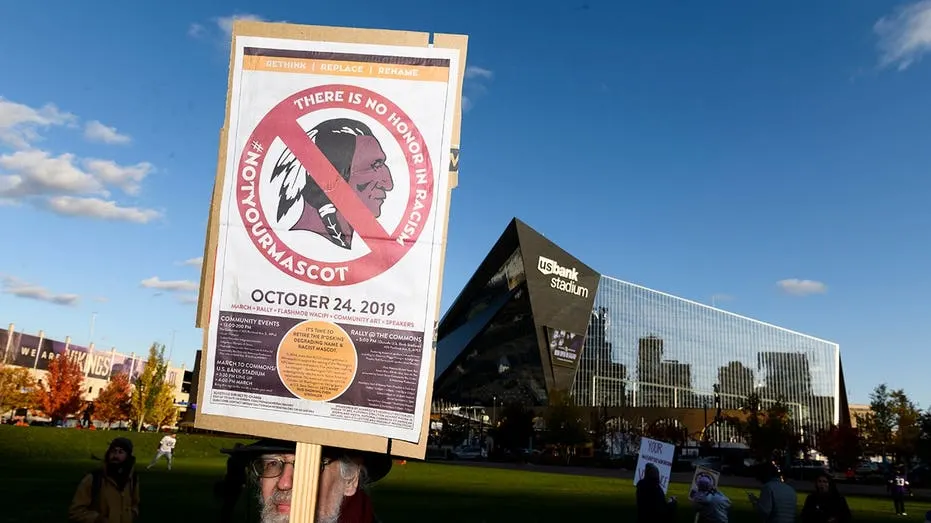
Economist Terry Anderson argues that ending the Washington NFL team’s former “Redskins” nickname did little to address the deeper problems facing Native Americans. He says the greater insult is a federal system that treats people as incapable of managing their own affairs, while poor health, education and economic outcomes persist.
The article cites Native Americans’ low life expectancy and high suicide and alcohol-related death rates, and says several problems have worsened since the nickname was retired in 2020. It describes how much reservation land is held in federal trust, limiting owners’ ability to sell it or use it to secure business loans. Anderson recalls a prosperous Montana landowner who attributed his success to four words: “I own this place.”
In short
- Anderson says economic freedom matters more than changing a team name.
- Federal trust rules can restrict how Native Americans use their land.
- He links land ownership to opportunity and prosperity.
Steelman: both sides, in good faith
The strongest fair case each way — we don't pick a winner.
The case for
Retiring the nickname addressed a public symbol many Native Americans considered demeaning, and can be defended as a meaningful act of respect even if it did not solve wider social problems. Supporters may also argue that changing harmful imagery and tackling health, education and economic disparities are compatible aims, rather than competing priorities.
The case against
The article’s central criticism is that symbolic change can draw attention away from policies that constrain Native Americans’ choices and economic opportunity. Those who share this view may argue that federal trust arrangements limit landowners’ ability to sell land or use it as loan collateral, and that greater self-determination deserves more focus alongside efforts to improve poor social outcomes.
Explained simply
The Washington NFL team used the name “Redskins” until 2020, when it retired the nickname after years of criticism that it was offensive to Native Americans. The debate was part of wider discussion about how Indigenous peoples are represented in public life.
Many Native Americans live on reservations, where land is often held in trust by the federal government. This arrangement can limit how owners use land for loans or business, and sits within a broader history of federal control over Native affairs.
Native communities face significant health, education and economic challenges, though conditions vary widely. The story raises questions about whether changing a team name has meaningfully affected those challenges and how government policies shape people’s ability to manage their own affairs.