Actor targets ‘scarred villain’ screen stereotype
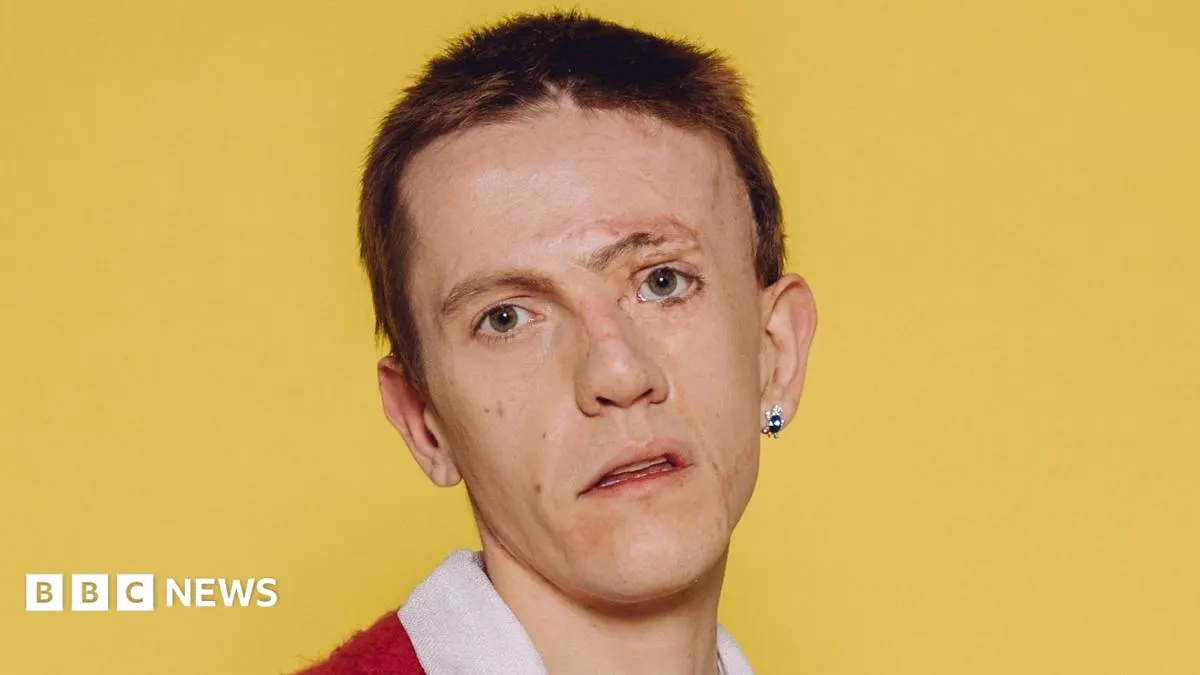
Actor Robert Rhodes is backing Changing Faces’ campaign for more positive screen roles for people with scars and other visible differences. The charity says portraying visible difference as a sign of villainy can shape real-world attitudes, and is calling on film and television makers to tell more varied stories.
Rhodes, who has appeared in *Silent Witness*, *House of the Dragon* and *The Rapture*, was born with a facial birthmark and has scarring after childhood surgery. Fellow actor Beau Bradfield said people with visible differences should be shown in roles such as heroes, friends and parents. Changing Faces says about 4.9 million people in the UK have a visible difference, and cites research by the University of the West of England indicating that villainous portrayals can worsen perceptions of them.
In short
- Robert Rhodes backs a campaign for more positive screen roles.
- Changing Faces says villain stereotypes can affect real-world attitudes.
- About 4.9 million people in the UK have a visible difference.
Steelman: both sides, in good faith
The strongest fair case each way — we don't pick a winner.
The case for
Film and television help shape social expectations, so repeatedly linking scars or visible differences with villainy may reinforce unfair assumptions about real people. More varied casting and storylines could broaden representation, give actors with visible differences meaningful opportunities, and show them as heroes, friends and parents as well as villains.
The case against
Writers and filmmakers should retain freedom to create characters whose appearance serves a particular story, including villains with scars, rather than treating any such portrayal as inherently harmful. A villain’s appearance can be one element of character design without implying that people with visible differences are generally dangerous, and efforts to avoid that association could become restrictive if they limit creative choices.
Explained simply
Visible differences include scars, birthmarks and other features that make someone’s appearance less common. Around 4.9 million people in the UK have a visible difference, according to the charity Changing Faces.
Film and television have often used scars or facial differences to signal that a character is dangerous or villainous. Changing Faces says this can affect how people are treated in everyday life, and argues that seeing people with visible differences in a wider range of roles could help shape more varied perceptions.