Adam Vinatieri shamed into offering apology and explanation for Hall of Fame speech that was epic
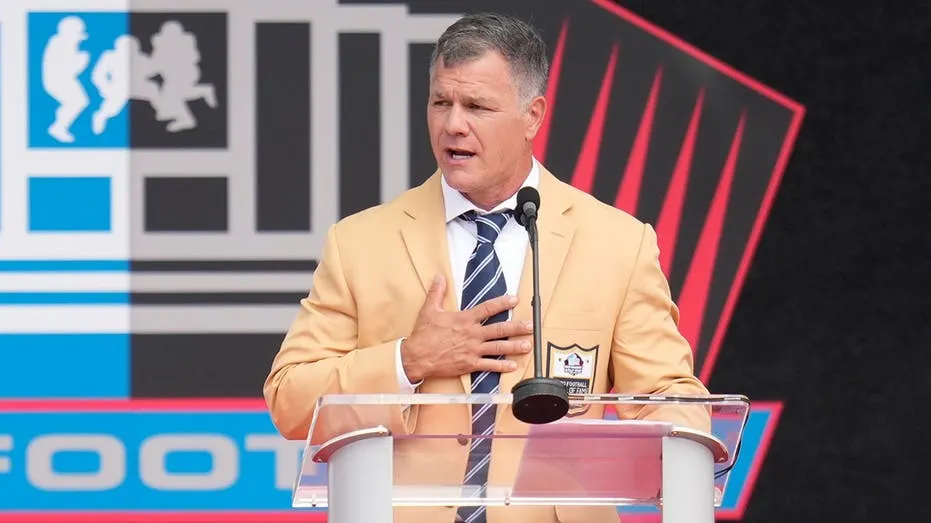
Former NFL kicker Adam Vinatieri delivered a speech during his Pro Football Hall of Fame induction that was widely praised as touching, funny and memorable, yet it also drew criticism from some quarters who felt it was inappropriate or disrespectful for the occasion. That backlash reportedly pushed Vinatieri to issue an apology and explain his remarks, turning what should have been a celebratory moment into a minor controversy.
Details of the specific comments that sparked the criticism are not fully outlined in the available report, though it notes the speech stood out as one of the most memorable delivered at the Hall of Fame in recent years. The piece, published on OutKick, frames the reaction as another example of a public figure being pressured into clarifying himself over remarks that many found entertaining rather than offensive.
- Adam Vinatieri's Hall of Fame speech praised as memorable but criticised by some
- Backlash led Vinatieri to apologise and explain his remarks
- Article's full detail on the controversial comments was unavailable
Both sides, in good faith
The strongest fair case each way — we don't pick a winner.
The case for
Hall of Fame inductions are formal ceremonial occasions where maintaining appropriate decorum honours both the institution and the athlete's legacy. If Vinatieri's remarks struck some as disrespectful or inappropriate to the solemnity of the event, those concerns deserve consideration. An apology and explanation acknowledge that formal settings have different standards than casual contexts, and that institutional respect matters alongside personal expression.
The case against
If the speech was genuinely well-received and praised by the majority as touching and memorable, the backlash from a critical minority should not override the overwhelmingly positive reception. Public figures should not routinely face pressure to apologise for remarks that successfully entertained and engaged their primary audience. This pattern normalises overcorrection and gives disproportionate power to vocal detractors.