Boy with rare Sanfilippo syndrome receives experimental enzyme treatment
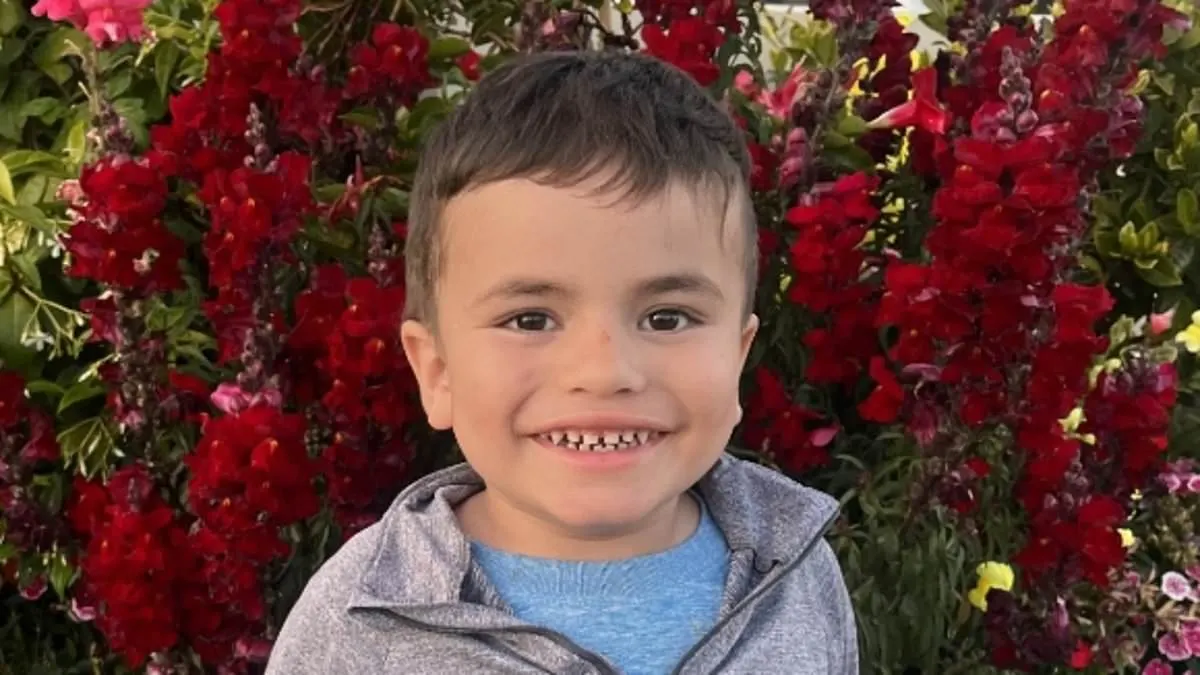
Four-year-old Zeccai Lovato has Sanfilippo syndrome type A, a rare genetic condition that can cause children to lose skills and memory as it progresses. His parents are pursuing an experimental enzyme treatment, despite the infection and other risks associated with the device used to deliver it.
Diagnosed at two, Zeccai travels with his parents from Colorado Springs to Oakland every two weeks for treatment. The implanted device sends a replacement enzyme into his nervous system; its catheter can carry risks including meningitis and haemorrhage. The family is also preparing for possible access to FAYUVI, described in the article as the first FDA-approved treatment for the condition, but they do not yet know its cost.
- Zeccai Lovato is receiving experimental treatment for Sanfilippo syndrome type A.
- The treatment requires fortnightly trips from Colorado to California.
- His family is preparing for a newly approved treatment with unknown costs.
New here? Start with this
Sanfilippo syndrome is a rare inherited condition that prevents the body from breaking down certain substances properly. In type A, the most common form, children can gradually lose abilities and memory, though the rate and effects vary.
Zeccai Lovato’s family is seeking treatment that replaces an enzyme his body lacks. It is delivered into the nervous system through an implanted device, which can cause complications such as infection or bleeding. Families and doctors weigh these risks against the possibility of slowing the condition’s effects.
The condition has no simple cure, and treatment options are limited. New therapies matter to affected families, but access can depend on regulatory approval, availability and cost.
Health Medicine Research Science World
Read the full article at the source →
Originally published by Daily Mail as “Adorable boy, 4, has ‘childhood Alzheimer’s’ and pioneering treatment he is receiving leaves him at risk of meningitis”.