Afcon to return to two-year cycle after Caf U-turn
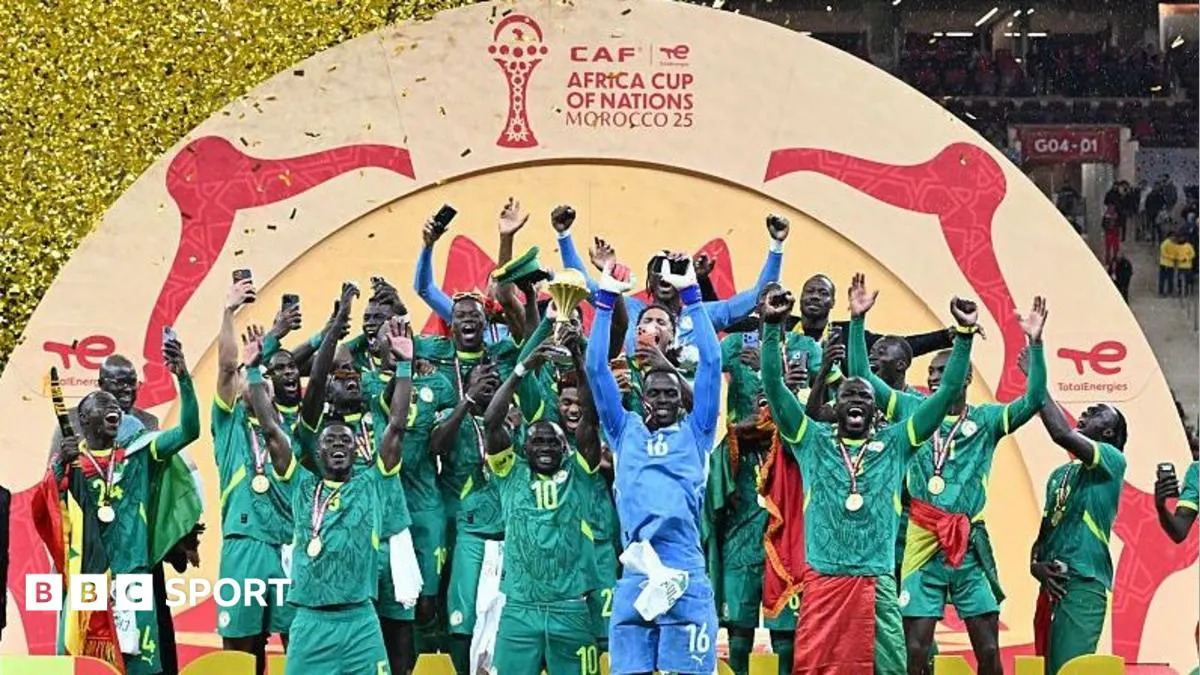
The Confederation of African Football (Caf) has reversed its decision to move the Africa Cup of Nations to a four-year cycle, restoring the tournament’s traditional biennial schedule. Caf said the change is intended to protect African football and its member associations, while an alternative African Nations League would take years to generate enough revenue to sustain itself.
The next Afcon is scheduled for 2027, jointly hosted by Kenya, Tanzania and Uganda, with further editions planned for 2028, 2031 and 2033; there will be no tournament in 2030 because of the World Cup. Afcon’s timing has often clashed with the European club season, and recent scheduling was also affected by Fifa’s expanded Club World Cup. The 2025 final ended in controversy after Senegal’s title was overturned three months later in favour of Morocco.
In short
- Afcon returns to a two-year cycle after Caf’s reversal.
- Kenya, Tanzania and Uganda will host the 2027 tournament.
- The 2025 title was transferred from Senegal to Morocco.
Steelman: both sides, in good faith
The strongest fair case each way — we don't pick a winner.
The case for
Restoring Afcon to a two-year cycle preserves a long-standing competition that gives national teams regular chances to compete and supporters a recurring continental event. More frequent tournaments may also provide Caf and member associations with dependable income, whereas a new Nations League could take years to become financially viable.
The case against
A four-year cycle could give Afcon greater space in the international calendar, reducing clashes with European club seasons and other expanded competitions while making each edition feel more distinct. It could also give organisers more time to prepare, and a Nations League might offer a route to revenue and meaningful matches without relying on a major tournament every two years.
Explained simply
The Africa Cup of Nations, usually called Afcon, is the main international football tournament for African national teams. It is organised by the Confederation of African Football, or Caf, which represents the continent’s national football associations.
Afcon has traditionally been held every two years. Its timing can affect clubs outside Africa because teams may have to release African players during the European season, while changing the schedule also affects host countries and Caf’s member associations.
Caf had proposed holding the tournament every four years and creating an African Nations League, a separate competition for national teams. The debate matters because Afcon is a major source of income and attention for African football; Kenya, Tanzania and Uganda are due to host the 2027 edition.