News, events and chat from Sheffield and South Yorkshire.
‘Afghans were hoping for a bright future’
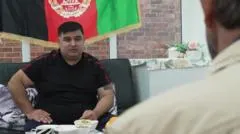
Five years after the Taliban returned to power in Afghanistan, Afghan refugees resettled in Yorkshire have described the lasting trauma of fleeing the country and the difficulty of rebuilding their lives in the UK. Their accounts underline the continuing humanitarian crisis in Afghanistan, especially the restrictions facing women and girls, while showing how former interpreters, embassy staff and journalists remain unable to return safely.
Hamidullah Khyber, a former interpreter for British forces who was injured in a Taliban attack, arrived in York six days after the takeover and now helps other refugees despite living with PTSD. Hossain Saeedi fled because his British Embassy role put him at risk and now supports asylum seekers for the British Red Cross in Leeds, while his wife Fereshta Hussaini, formerly a journalist, experienced growing threats against female reporters before the Taliban took control. International forces completed their withdrawal on 30 August 2021 after a 20-year campaign, and the Taliban had regained nationwide control by mid-August.
In short
- Yorkshire refugees recount trauma and resettlement after Afghanistan’s Taliban takeover.
- Former UK-linked workers say returning would be dangerous.
- Women’s education and freedoms remain central concerns.
Explained simply
For two decades, international forces fought in Afghanistan while supporting the Afghan government. The Taliban, an armed movement that had ruled much of the country before 2001, regained control in August 2021 as foreign troops withdrew.
People who worked with foreign forces or institutions, including interpreters, embassy staff and journalists, have faced risks because of their work. Since returning to power, the Taliban have imposed restrictions on women and girls, and many Afghans who fled say they cannot safely return.
Those who have resettled in the UK must build new lives while dealing with the effects of displacement and trauma. Their experiences also connect the lives of refugee communities here with the continuing humanitarian crisis in Afghanistan.