World news and discussion on TalkFuse.
Dangote backs $660m fuel pipeline linking Ethiopia and Djibouti
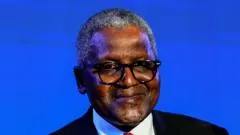
Nigerian billionaire Aliko Dangote, alongside the governments of Ethiopia and Djibouti, has agreed to develop a $660 million petroleum pipeline and storage facility linking the two countries. The 120-kilometre pipeline will connect Djibouti's Damerjog port to a distribution facility in Ethiopia, with storage capacity for approximately 400 million litres. The project addresses a critical need for landlocked Ethiopia, which currently relies heavily on Djibouti's port for fuel imports and other goods, and is expected to begin operations within 18 months.
The pipeline will reduce the time required to transport fuel from Djibouti's port to Addis Ababa from five days to just one day, substantially strengthening Ethiopia's energy security and streamlining its fuel supply chain. The first phase will transport jet fuel, diesel and petrol, relieving pressure on existing transport infrastructure and benefiting multiple sectors including aviation, agriculture and construction. Djibouti is expected to gain from increased port activity, job creation and higher government revenues. The project forms part of Dangote's wider expansion across Africa, which includes cement production of 55 million tonnes annually and an oil refinery in Nigeria processing 700,000 barrels of crude per day, with plans to double that capacity.
In short
- Major $660m infrastructure investment improves Ethiopia's fuel supply chain resilience
- Pipeline reduces transport time from five days to just one
- Part of Dangote's broader African expansion in energy and infrastructure
Steelman: both sides, in good faith
The strongest fair case each way — we don't pick a winner.
The case for
This pipeline represents essential infrastructure investment addressing Ethiopia's critical vulnerability as a landlocked nation dependent on slow, expensive fuel transport routes. By reducing transit time from five days to one day whilst creating dedicated supply capacity, the project strengthens energy security and generates substantial economic benefits for both countries through direct employment, port revenue growth and operational efficiencies across aviation, agriculture and construction. Regional infrastructure integration is vital to African development, and private investment from successful entrepreneurs like Dangote provides the capital needed without placing additional burden on constrained government finances.
The case against
Large infrastructure projects in developing nations warrant careful consideration of environmental impacts, equitable benefit distribution, and long-term economic consequences beyond efficiency metrics alone. Pipelines involve environmental risks, raise legitimate questions about whether gains will broadly reach ordinary citizens or concentrate among political and business elites, and may create dependency dynamics that benefit foreign investors disproportionately whilst host nations assume sustainability risks. Experience from comparable projects suggests that commitments to efficiency and employment gains sometimes exceed reality, and such projects can inadvertently lock nations into patterns that constrain independent economic development.
Explained simply
Ethiopia is landlocked, so it depends heavily on neighbouring Djibouti’s ports to bring in fuel and other goods. Much of that fuel is transported inland by road, making the supply route an important part of Ethiopia’s energy system.
The project involves Ethiopia and Djibouti, as well as Nigerian businessman Aliko Dangote, whose companies operate across several African countries. Its proposed pipeline would carry fuel from Djibouti’s coast to storage and distribution facilities in Ethiopia, serving needs such as aviation, farming and construction.
A more direct fuel route could ease pressure on road transport and help Ethiopia manage its fuel supply. Djibouti could also benefit from more port activity, employment and public revenue.
Read the full article at the source →
Originally published by BBC World as “Africa’s richest man helps fund $660m fuel pipeline between Ethiopia and Djibouti”.