After 100 days Burnham has a Farage problem – he needs his bogeyman to stick around
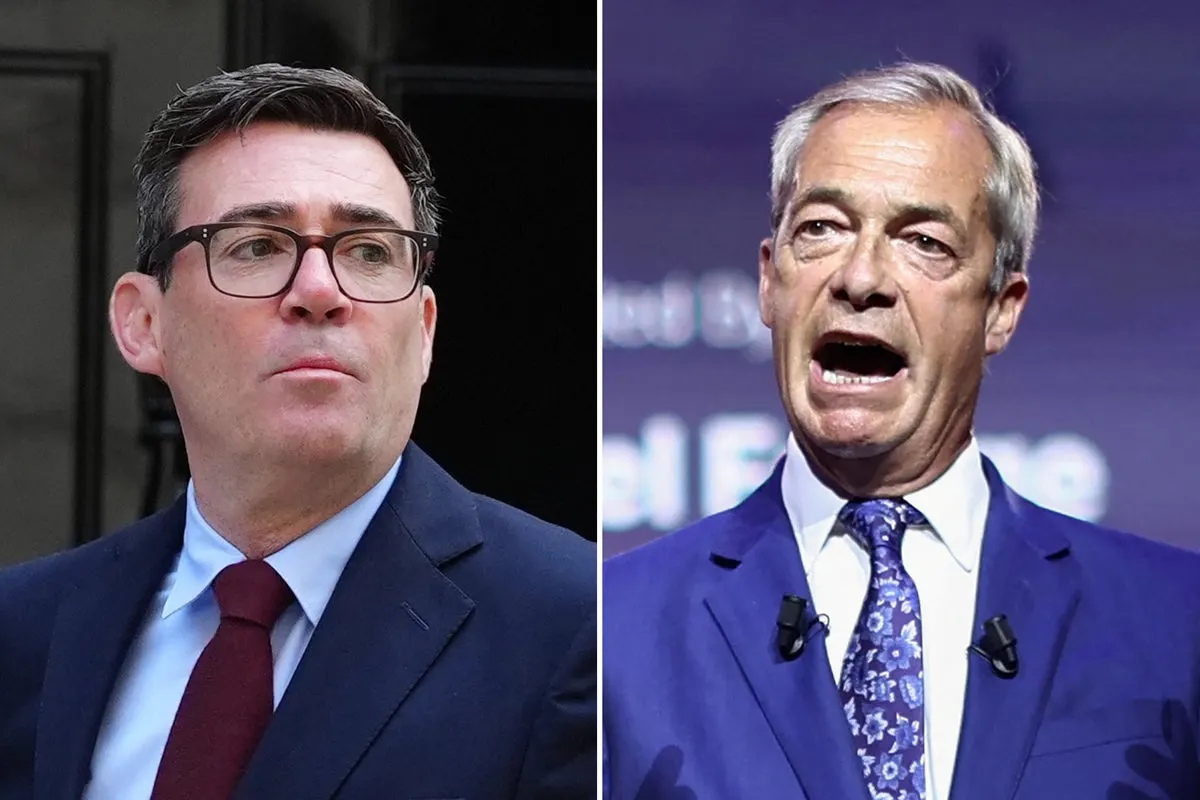
Andy Burnham’s first 100 days as prime minister have coincided with Labour polling strongly enough to suggest it could win a large majority at the next election. The article argues that this success may create a problem for him: his political pitch has relied on defeating Nigel Farage, but a weakening Reform UK could leave the Conservatives as the stronger challenger.
Labour is polling at 32 per cent in the latest Ipsos survey, while Reform is on 20 per cent, four points behind the Conservatives, whose support is described as rising. The article points to Burnham’s conference promises, popular measures on energy bills and bus fares, and campaign-style social media as signs of possible early-election preparation, though he denies plans to call one. It also says Ipsos found Burnham and Kemi Badenoch tied on leader satisfaction at 35 per cent, ahead of Farage on 22 per cent.
In short
- Labour is polling at 32 per cent under Burnham.
- Reform has fallen behind the Conservatives.
- A weaker Farage could complicate Burnham’s election strategy.
Steelman: both sides, in good faith
The strongest fair case each way — we don't pick a winner.
The case for
Burnham’s early success may depend on presenting Labour as the strongest barrier to Reform, so a weaker Farage could make that pitch less compelling and leave the Conservatives better placed to challenge him. If Labour’s lead is durable, preparing for an election and highlighting popular policies could be sensible; but the shifting polls and tied satisfaction ratings suggest the contest is not settled.
The case against
A weaker Reform does not necessarily leave Burnham worse off: Labour could benefit if voters who might otherwise back Farage see it as the credible alternative to the Conservatives. Early-election speculation may overread routine campaigning and polling snapshots, while popular measures and a lead over both rivals could reflect a broader appeal that does not depend on Farage remaining a strong threat.
Explained simply
Labour is the UK’s main centre-left party, while the Conservatives are its main centre-right rival. Reform UK is a newer right-wing party led by Nigel Farage, whose campaigns have focused on issues including immigration and the UK’s relationship with Europe.
Andy Burnham is Labour’s prime minister, and Kemi Badenoch leads the Conservatives. A party’s poll rating suggests how much support it might have in an election, but it does not guarantee the result; voters choose MPs in individual constituencies, and the party able to command a majority in Parliament forms the government.
The article’s argument turns on which party is best placed to challenge Labour. If Reform’s support falls behind the Conservatives, Burnham may have less reason to make Farage the main figure in his political pitch.
Americas Elections Politics World