After struggles v Spain, the USWNT’s midfield puzzle won’t be easily solved
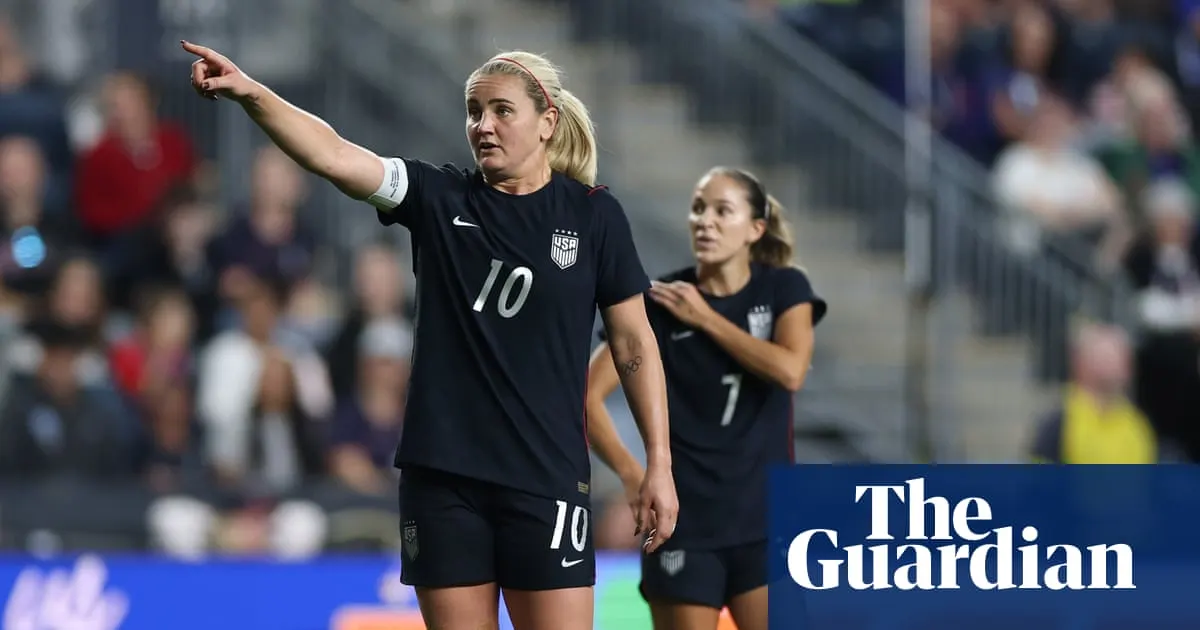
Spain controlled both matches against the US, taking a 2-0 lead by half-time on each occasion. Emma Hayes’s side recovered to draw the second game after five changes helped spark two incisive attacks, but the performance exposed a lack of cohesion in midfield.
The US were without Naomi Girma and Sam Coffey, while Spain also missed several key players. Hayes has widened the squad through extensive evaluations, with four uncapped players called up in October and Kate Del Fava and Pietra Tordin making their debuts. The article argues that building reliable midfield partnerships is essential ahead of the World Cup in Brazil, and that finding the right balance between evaluating players and developing team understanding remains a challenge.
- Spain dominated the midfield in both matches.
- Five US changes helped secure a draw in the second game.
- Hayes must build cohesion while continuing to assess players.
New here? Start with this
The US women’s national team, known as the USWNT, is one of the leading sides in international football. Its coach, Emma Hayes, is assessing players and combinations as the team prepares for the next Women’s World Cup, which will be held in Brazil.
Midfielders link a team’s defence and attack, so they need to work together to control possession, cover space and move the ball forward. Injuries or absences can disrupt those partnerships, while trying new players can help coaches judge their options but leave teammates with less time to build understanding.
Spain are also among the leading national teams, and matches between the sides offer a test of how they cope with different styles of play. The choices Hayes makes matter because a settled, balanced midfield can shape how the US team performs in major tournaments.
Both sides, in good faith
The strongest fair case each way — we don't pick a winner.
The case for
Hayes should keep testing players and combinations: the US need depth, and these matches exposed gaps that could be costly at the World Cup. Fresh options may also bring the pace and incisiveness shown after the changes in the second game, while absences and Spain’s quality make the results an imperfect measure of the squad’s potential.
The case against
Frequent evaluations can make it harder for players to build the trust and understanding that a midfield partnership needs. With the World Cup approaching, Hayes could prioritise a settled core and give it sustained time together, so the team can develop cohesion rather than repeatedly asking new combinations to adapt.