Politics news and discussion on TalkFuse.
After the blue wave, what happens to education policy and parental rights protections in flipped states?
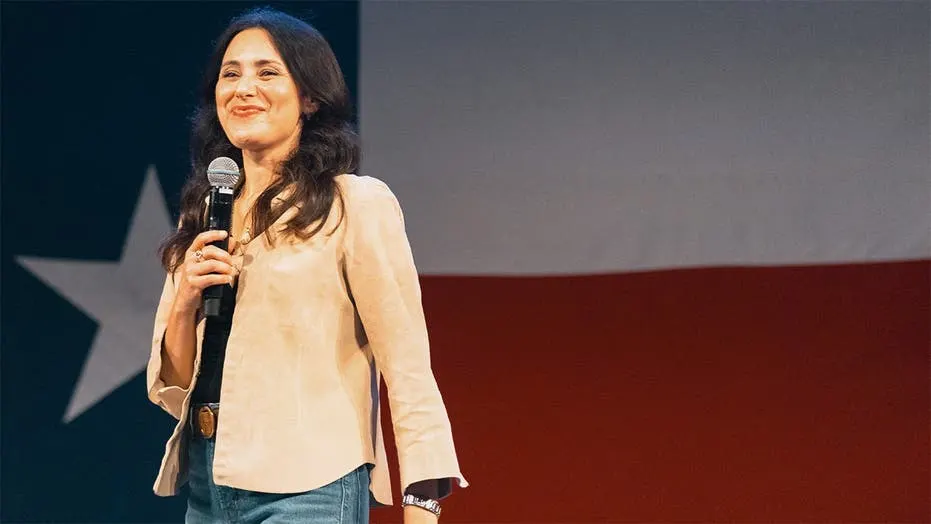
Democratic victories in gubernatorial races in Ohio, Iowa, Georgia and Texas could change the direction of education policy, especially on school choice, public school funding and state intervention. The incoming governors have not explicitly campaigned to repeal parental rights laws, but their wins have renewed debate over protections Republicans expanded after the pandemic.
Republican-controlled legislatures in Ohio, Iowa and Georgia could block efforts to repeal existing laws, while Democrats made legislative gains in Texas and Georgia. The governors-elect focused more on opposing private school vouchers and seeking increased public funding than on cultural issues. In Texas, Gina Hinojosa pledged to dismiss the education agency commissioner and reverse the state’s voucher policy; Houston’s state-appointed school board has also voted to close or consolidate 12 campuses before the 2026–27 school year, citing falling enrolment and the growth of school choice.
In short
- Democratic governors-elect could redirect education policy in four states.
- School choice and public funding were central campaign issues.
- Existing parental rights laws may face legislative hurdles.
Steelman: both sides, in good faith
The strongest fair case each way — we don't pick a winner.
The case for
Supporters of changing course argue that public money should prioritise strengthening public schools, and that elected state leaders should be able to reconsider policies such as private school vouchers. They may also see a shift in state intervention as a way to respond to local needs and give families greater influence over their children’s education.
The case against
Defenders of existing policies argue that parental rights protections give families a meaningful role in education and that school choice can expand options, especially when a public school is not meeting a child’s needs. They may also caution that reversing policies or changing state oversight could disrupt families and schools, while closures and consolidations may reflect enrolment pressures that require difficult decisions.
Explained simply
School choice policies let families use public money or public funding arrangements to send children to private schools, while public school funding supports state-run schools. Governors can influence education policy, but state legislatures also pass laws and approve budgets, so control of these institutions affects what can change.
After the pandemic, several Republican-led states expanded laws described as protecting parental rights, covering issues such as parents’ role in decisions about their children’s education. These laws sit within wider disagreements about how much authority should rest with families, schools and state officials.
The debate matters because policy decisions can affect where public money goes, what families can choose and how schools are managed. In states where the governor and legislature are controlled by different parties, proposals may be limited or take longer to pass.